Johnson & Johnson’s Dual Control Campaign: A New Chapter for IBD Dreams
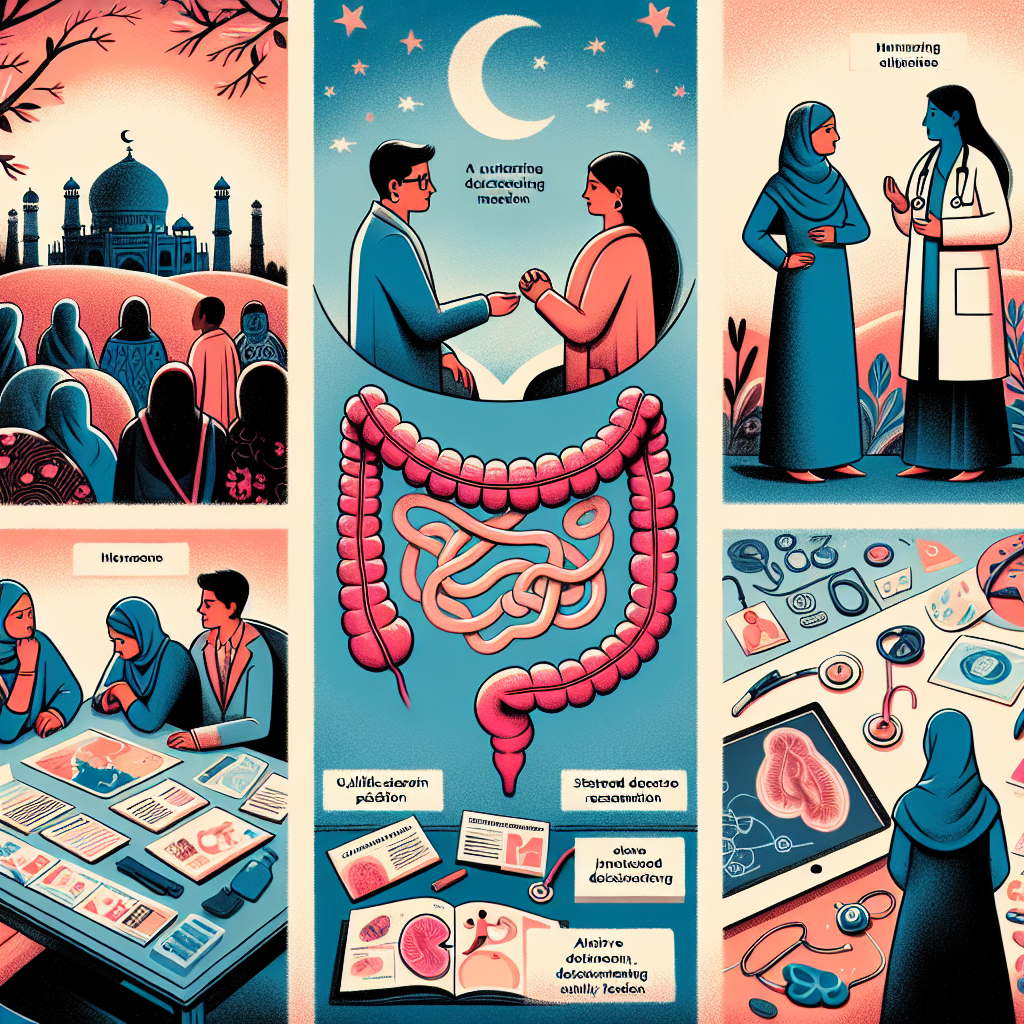
Picture this: You’re lying in bed at 2 AM, scrolling through social media and watching friends celebrate career milestones, travel adventures, or family expansions. There’s that familiar pang—not jealousy exactly, but a complex mix of longing and uncertainty. When you live with IBD, every big dream comes with a whispered “but what if my symptoms flare?” It’s exhausting to feel like you’re always planning your life around the unpredictable nature of Crohn’s disease or ulcerative colitis.
This internal struggle between hope and hesitation is something most of us in the IBD community know intimately. We’ve all been there—canceling plans last minute, choosing safer career paths, or putting off major life decisions because we’re never quite sure what our bodies will throw at us next. It’s a loneliness that’s hard to explain to others, but it’s also a experience that connects us all.
Summary of Marketing-interactive
Johnson & Johnson has launched a new awareness campaign called “Dual Control” specifically designed for IBD patients in the Asia Pacific region. The campaign centers around a powerful video featuring a woman who has lived with ulcerative colitis for over 20 years. Her story highlights the common struggle many of us face: wanting to pursue dreams like traveling and starting a family while managing the unpredictability of IBD symptoms.
The campaign emphasizes that effective IBD management goes beyond just taking medication. It focuses on the importance of building strong partnerships with healthcare teams and working toward what they call “sustained endoscopic remission”—a deeper level of disease control that could allow patients more freedom to pursue their goals. Johnson & Johnson is positioning this as part of their broader commitment to providing innovative treatment options and resources specifically tailored for the Asia Pacific IBD community.
This post summarizes reporting from Marketing-interactive. Our analysis represents IBD Movement’s perspective and is intended to help patients understand how this news may affect them. Read the original article for complete details.
What This Means for the IBD Community
This campaign represents something we’ve been seeing more of lately—pharmaceutical companies recognizing that IBD treatment isn’t just about managing inflammation markers on lab reports. It’s about helping real people live full, meaningful lives. The “Dual Control” message resonates because it acknowledges what many of us have learned the hard way: that even when we achieve clinical remission, we often still carry the psychological burden of wondering when the other shoe might drop.
What’s particularly significant about this approach is the emphasis on “sustained endoscopic remission.” For those who might not be familiar with this term, it refers to healing that’s visible during a colonoscopy—not just symptom relief that we can feel day-to-day. This matters because many patients can feel relatively well while still having ongoing inflammation that shows up on scopes. Achieving deeper healing could potentially mean fewer flares, less long-term damage, and more predictable disease management.
The focus on partnership with healthcare teams is equally important. Too often, we find ourselves in appointment rooms where we’re told what treatments to try without much discussion about our personal goals and concerns. The idea of incorporating our dreams and life plans into treatment decisions represents a shift toward more patient-centered care that many of us have been hoping for.
From a practical standpoint, this campaign could help normalize conversations that many IBD patients have been hesitant to bring up with their doctors. Questions like:
- “How will this treatment affect my ability to travel for work?”
- “What should I consider about pregnancy planning with my current medication regimen?”
- “Are there lifestyle modifications that could help me achieve better long-term control?”
- “How do we define ‘remission’ and what should I realistically expect?”
The regional focus on Asia Pacific is also noteworthy. Different populations can have varying responses to IBD treatments, and cultural factors around family planning, career expectations, and healthcare decision-making can influence how patients approach their care. Tailored resources and messaging for specific regions shows a level of cultural competency that could make a real difference in how effectively these campaigns reach their intended audiences.
However, it’s worth noting that awareness campaigns, while valuable, are ultimately marketing tools. The real test will be whether this messaging translates into meaningful changes in how healthcare providers approach IBD care and whether patients actually gain access to the innovative treatments and comprehensive support they need. We’ve seen plenty of inspiring campaigns over the years that didn’t necessarily lead to better outcomes or more affordable treatments.
What gives me hope about this particular approach is that it’s addressing the psychological aspects of living with IBD that often get overlooked in medical settings. The isolation, the constant planning around symptoms, the way chronic illness can make you feel like you’re always living with one foot on the brake—these are real aspects of the IBD experience that deserve attention and solutions.
For those of us who have been living with IBD for years, campaigns like this can feel validating. They acknowledge that our struggles with balancing treatment and life goals are legitimate and deserve attention. For newly diagnosed patients, messaging like this can provide hope that their diagnosis doesn’t have to mean abandoning their dreams—just maybe approaching them differently.
Looking at the Bigger Picture
This campaign fits into a broader trend we’re seeing in IBD care toward treat-to-target approaches and more ambitious treatment goals. Instead of just aiming to reduce symptoms, many gastroenterologists are now pushing for deeper healing that could prevent long-term complications and give patients more predictable disease control. This shift is backed by growing research showing that patients who achieve mucosal healing (what you can see on colonoscopy) tend to have better long-term outcomes.
We’re also seeing more recognition of the mental health aspects of IBD management. Living with a chronic, unpredictable condition takes a psychological toll that can be just as debilitating as the physical symptoms. Campaigns that acknowledge this reality and encourage patients to discuss their life goals as part of their treatment planning represent an important step forward in comprehensive care.
The emphasis on dreaming big while managing IBD also reflects changing attitudes within the patient community. Earlier generations of IBD patients were often told to expect limitations and plan accordingly. While we certainly need to be realistic about our health challenges, there’s growing recognition that with the right treatment and support, many people with IBD can pursue ambitious goals and live full lives.
At the end of the day, campaigns like “Dual Control” matter because they help shift the conversation from “How do I cope with IBD?” to “How do I thrive with IBD?” That’s a subtle but important difference that could influence how patients advocate for themselves and how doctors approach treatment planning.
The message that resonates most strongly from this campaign is that having IBD doesn’t mean you have to choose between managing your health and pursuing your dreams. With the right partnership between patients and healthcare teams, and continued advances in treatment options, it’s becoming increasingly possible to do both. That’s a message worth spreading, and a goal worth working toward.
IBD Movement provides information for educational purposes only. This content is not intended to be a substitute for professional medical advice, diagnosis, or treatment. Always seek the advice of your physician or other qualified health provider with any questions you may have regarding a medical condition.
Related Posts

Beyond Diet: Why Comprehensive Care Is Essential for Managing Crohn’s Disease
April 17, 2026
AI Revolution in IBD Care: How Artificial Intelligence Could Transform Your Treatment Journey
April 16, 2026
JAK Inhibitors in Crohn’s Disease: Navigating Safety Concerns and Treatment Decisions
April 15, 2026