The Personal Treatment Revolution in Crohn’s Disease Care
Remember when managing Crohn’s disease felt like being handed a very short menu at a restaurant you never wanted to visit? You had maybe two or three treatment options, each with its own set of compromises that made you wonder if the cure was sometimes worse than the disease. The anxiety of “what happens if this stops working?” was a constant companion, right alongside the physical symptoms we were all trying to manage.
Those days are becoming a thing of the past, and for anyone living with Crohn’s disease, this shift represents more than just medical progress—it’s about hope, options, and finally having treatments that can be tailored to your unique situation rather than forcing you to fit into a one-size-fits-all approach.
Summary of here.
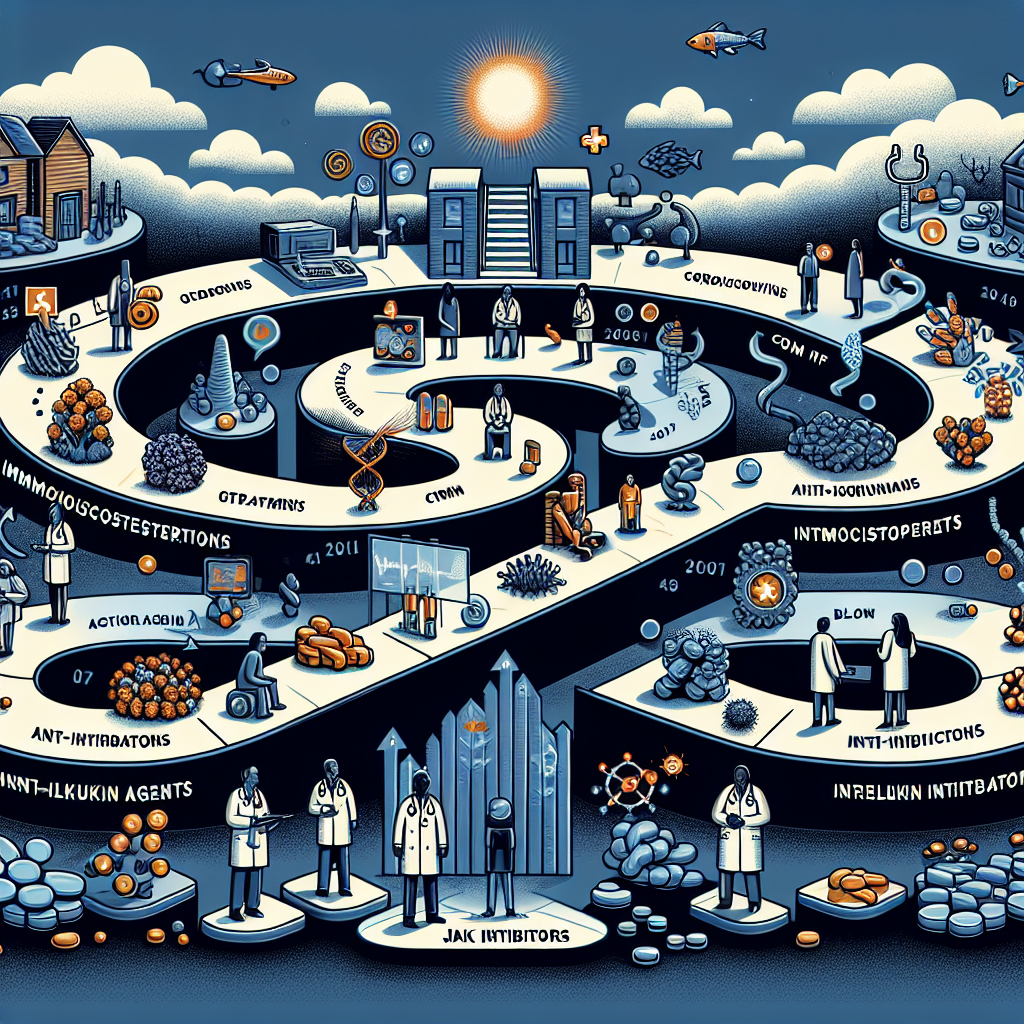
The treatment landscape for Crohn’s disease has undergone a remarkable transformation in recent years. Instead of the limited options that once defined Crohn’s care, patients now have access to a diverse array of therapies that can be personalized based on individual symptoms, medical history, and personal preferences. This includes established anti-TNF agents that work quickly to control inflammation, newer biologic medications for when first-line treatments lose effectiveness, and innovative JAK inhibitors that offer different mechanisms of action.
Perhaps most significantly, many of these newer treatments can target gut-specific inflammation without suppressing the entire immune system, representing a major advancement in precision medicine for inflammatory bowel disease. This personalized approach extends beyond just symptom management to focus on restoring quality of life and providing patients with genuine hope for long-term relief.
This post summarizes reporting from here.. Our analysis represents IBD Movement’s perspective and is intended to help patients understand how this news may affect them. Read the original article for complete details.
What This Means for the IBD Community
This evolution in Crohn’s treatment represents a fundamental shift in how we think about living with IBD. For years, many of us felt like we were playing defense—trying to manage symptoms as they came, hoping our current medication would keep working, and dreading the day we might run out of options. The expansion of personalized treatment approaches changes that entire dynamic.
When I think about what this means for someone newly diagnosed with Crohn’s disease today, I’m genuinely optimistic in a way that wasn’t possible even five years ago. Instead of facing a narrow path with limited choices, they’re entering a healthcare environment where their treatment plan can be as unique as they are. Their doctor can consider not just their symptoms, but their lifestyle, their previous treatment experiences, their tolerance for certain side effects, and even their personal goals for what remission looks like in their life.
For those of us who have been managing Crohn’s for years, this personalized approach offers something we may have stopped believing in: the possibility that our best treatment days aren’t behind us. Maybe the medication you’ve been on for years is starting to lose effectiveness, or perhaps the side effects are becoming harder to tolerate. In the past, this might have felt like hitting a wall. Now, it’s more like reaching a fork in the road with multiple promising paths forward.
The practical implications of this shift are enormous. Consider how treatment decisions used to feel: often rushed, with limited alternatives, and carrying the weight of “this needs to work because we don’t have many other options.” Today’s treatment discussions can be more collaborative, more nuanced, and more hopeful. Your gastroenterologist isn’t just looking at what might work—they’re looking at what might work best for your specific situation, your body’s unique response patterns, and your personal treatment goals.
This is particularly meaningful when we think about the psychological aspect of living with Crohn’s disease. The fear of running out of treatment options has been a source of anxiety for so many in our community. When you know there are multiple pathways available, when you understand that your treatment can evolve and adapt as your needs change, it fundamentally changes your relationship with your diagnosis. Instead of feeling trapped by your condition, you can start to feel empowered by the choices available to you.
From a practical standpoint, this means having different conversations with your healthcare team. Instead of asking “Will this work?” you can ask “Which of these options aligns best with my lifestyle and goals?” Instead of accepting whatever side effects come with your medication as an inevitable trade-off, you can explore whether there are alternatives that might give you similar benefits with fewer compromises.
The emergence of gut-specific treatments is particularly exciting because it addresses one of the most frustrating aspects of traditional IBD medications: the way they can affect your entire immune system to treat a condition that’s primarily affecting your digestive tract. It’s like using a sledgehammer when what you really need is a precision instrument. These newer approaches offer the possibility of effective treatment with fewer systemic side effects, which could mean fewer infections, less fatigue, and overall better quality of life.
This progress also reflects a broader trend in IBD research toward understanding the disease at a more granular level. We’re moving away from treating “Crohn’s disease” as if it’s the same condition in every person, and toward recognizing that there are likely multiple subtypes of Crohn’s that may respond better to different therapeutic approaches. This means that your specific pattern of symptoms, your genetic markers, and even your gut microbiome might all play roles in determining which treatment will work best for you.
For caregivers and family members, this evolution in treatment options also brings significant relief. Watching someone you love struggle with limited treatment choices is incredibly difficult. Knowing that there are multiple paths forward, that treatment failures don’t mean running out of hope, and that personalized approaches are becoming the standard rather than the exception can ease some of the worry that comes with supporting someone through their IBD journey.
Questions to Discuss with Your Healthcare Team
Given these advances in personalized Crohn’s treatment, here are some important questions to consider bringing up during your next appointment:
- Based on my specific symptoms and treatment history, what personalized treatment options might be most appropriate for me?
- If my current medication stops working or becomes less effective, what would be the next steps in my treatment plan?
- Are there newer treatments available that might offer better side effect profiles for my particular situation?
- How do factors like my age, lifestyle, and other health conditions influence my treatment options?
- What role might genetic testing or other biomarkers play in personalizing my treatment approach?
- How often should we reassess my treatment plan to ensure it’s still the best option for me?
The beauty of this new treatment landscape is that there isn’t one “right” answer to these questions that applies to everyone. Your answers will be as individual as you are, and that’s exactly the point. The goal isn’t just remission—it’s remission that allows you to live the life you want to live.
This shift toward personalized treatment also means being an active participant in your care in new ways. It’s worth keeping track of not just your symptoms, but how different treatments affect your energy levels, your ability to participate in activities you enjoy, and your overall sense of well-being. This information can be incredibly valuable in helping your healthcare team fine-tune your treatment approach over time.
The expansion of treatment options represents hope, but it also represents the importance of having a healthcare team that stays current with these advances and takes the time to understand your individual needs and goals. If you feel like your current treatment approach isn’t taking advantage of these newer, more personalized strategies, it might be worth seeking a second opinion or asking for a referral to an IBD specialist who is well-versed in the latest treatment approaches.
Perhaps most importantly, this evolution in Crohn’s treatment reminds us that having IBD doesn’t mean accepting a diminished quality of life. With the right personalized treatment approach, many people with Crohn’s disease can achieve not just clinical remission, but a return to the activities, relationships, and goals that make life meaningful. That’s not just medical progress—that’s transformation.
The journey with Crohn’s disease will always have its challenges, but knowing that there are multiple paths forward, that treatment can be tailored to your unique needs, and that innovation continues to expand our options makes that journey feel much less daunting. For anyone currently struggling with their treatment plan or feeling discouraged about their options, this represents a genuinely hopeful moment in IBD care.
IBD Movement provides information for educational purposes only. This content is not intended to be a substitute for professional medical advice, diagnosis, or treatment. Always seek the advice of your physician or other qualified health provider with any questions you may have regarding a medical condition.
Related Posts

Beyond Diet: Why Comprehensive Care Is Essential for Managing Crohn’s Disease
April 17, 2026
AI Revolution in IBD Care: How Artificial Intelligence Could Transform Your Treatment Journey
April 16, 2026
JAK Inhibitors in Crohn’s Disease: Navigating Safety Concerns and Treatment Decisions
April 15, 2026