IPAA Surgery: How Your IBD Diagnosis Shapes Your Journey
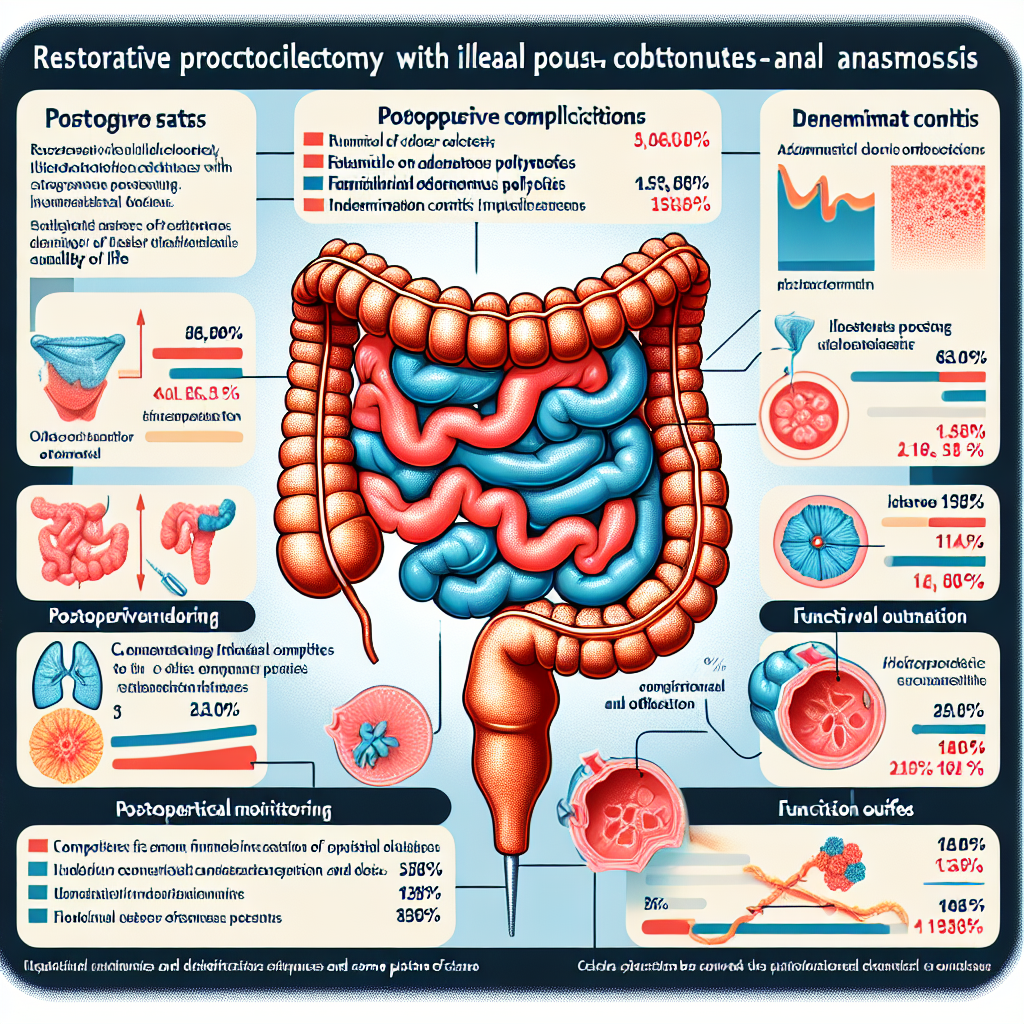
The surgical consultation room feels different when you’re living with IBD. While your gastroenterologist explains the need for restorative proctocolectomy with ileal pouch-anal anastomosis (IPAA), a thousand questions flood your mind. Will my specific diagnosis make recovery harder? Am I facing more complications than someone with a different type of IBD? The uncertainty can feel overwhelming, but understanding how your particular diagnosis influences surgical outcomes can transform fear into informed confidence.
Every IBD journey is unique, and when surgery enters the conversation, that uniqueness becomes even more significant. Whether you’re living with ulcerative colitis, Crohn’s disease, indeterminate colitis, or familial adenomatous polyposis, your diagnostic path influences not just your treatment options, but also what you can expect after IPAA surgery.
Summary of Understanding How Diagnoses Impact Postoperative Outcomes, QoL Following IPAA
Research reveals that your original diagnosis significantly impacts your post-IPAA experience, though the overall outlook remains positive across all conditions. Pouchitis rates vary notably by diagnosis—affecting up to 37% of patients with indeterminate colitis compared to 28% of those with ulcerative colitis. Patients with Crohn’s disease face higher risks for pouch-related fistulas, while those with familial adenomatous polyposis typically experience different complication patterns altogether.
Despite these diagnostic differences, the research shows remarkable consistency in long-term outcomes. Between 90-95% of patients across all diagnoses report good to excellent function and satisfaction after IPAA surgery. Even patients with Crohn’s disease—traditionally considered higher-risk candidates—achieve substantial long-term success and positive quality of life outcomes. The data suggests that while complications may occur more frequently in certain diagnostic groups, their long-term impact diminishes with proper follow-up care and management.
This post summarizes reporting from Understanding How Diagnoses Impact Postoperative Outcomes, QoL Following IPAA. Our analysis represents IBD Movement’s perspective and is intended to help patients understand how this news may affect them. Read the original article for complete details.
What This Means for the IBD Community
This research offers something invaluable to our community: concrete data to replace the fear of the unknown with realistic expectations. Too often, we hear surgical horror stories or overly optimistic promises without the nuanced truth that lies between. Understanding that your diagnosis influences but doesn’t determine your surgical journey can fundamentally change how you approach this major life decision.
For patients with ulcerative colitis, this data confirms what many already suspected—IPAA surgery offers an excellent long-term solution with manageable risks. The 28% pouchitis rate, while significant, means that over 70% of patients avoid this complication entirely. More importantly, even when pouchitis occurs, it’s typically manageable with current treatments.
The findings around indeterminate colitis are particularly enlightening for a group that often feels caught between diagnoses. The higher pouchitis rate of 37% might seem concerning, but the research shows that functional outcomes and satisfaction remain excellent despite this increased risk. This suggests that having a less definitive diagnosis doesn’t necessarily translate to worse long-term results.
Perhaps most significantly, this research challenges some assumptions about Crohn’s disease and IPAA surgery. While Crohn’s patients do face higher fistula risks, the 90-95% satisfaction rate demonstrates that surgical success isn’t reserved for those with “easier” diagnoses. This should encourage both patients and physicians to consider IPAA more broadly, with proper patient selection and counseling.
From a practical standpoint, this information reshapes pre-surgical conversations. Instead of generic discussions about surgical risks, patients can now engage in diagnosis-specific planning. If you have indeterminate colitis, you might discuss enhanced pouchitis prevention strategies. Crohn’s patients might focus more intensively on fistula monitoring protocols. This personalized approach to surgical planning can improve both outcomes and patient confidence.
The research also highlights the critical importance of specialized follow-up care. The finding that complications diminish in impact over time suggests that early post-operative management is crucial. This means seeking care at centers with extensive IPAA experience and maintaining regular follow-up even when you’re feeling well.
Questions to Discuss with Your Healthcare Team
These findings should prompt specific conversations with your surgical team:
- How does my specific diagnosis influence my risk profile for IPAA surgery?
- What preventive measures can we implement based on my diagnostic risk factors?
- How will my follow-up care be tailored to my particular diagnosis?
- What are the early warning signs of complications I should watch for?
- How does the surgical center’s experience with my specific diagnosis compare to others?
The research also underscores a broader trend in IBD care toward precision medicine. Just as we’re learning that different IBD subtypes respond differently to medications, we’re now seeing how surgical outcomes vary by diagnosis. This evolution toward personalized surgical care mirrors the transformation happening throughout IBD treatment.
For families and caregivers, this information provides a framework for understanding and supporting their loved one’s surgical journey. Knowing that someone with Crohn’s disease faces different risks than someone with ulcerative colitis helps families prepare appropriately and ask informed questions during medical appointments.
The psychological impact of this research shouldn’t be underestimated either. Many IBD patients approach surgery feeling like they’re facing a complete unknown. Having diagnosis-specific outcome data can reduce anxiety and help patients feel more in control of their medical journey. This sense of empowerment often translates to better adherence to post-operative care and improved overall outcomes.
This research also validates the experiences of patients who’ve undergone IPAA surgery. Those who’ve experienced complications can understand that their experience fits within expected patterns for their diagnosis, while those with excellent outcomes can feel confident that their success is likely to continue.
Looking forward, this type of diagnosis-specific outcome research will likely influence surgical decision-making algorithms and patient counseling protocols. It represents a maturation of IPAA surgery from a one-size-fits-all approach to a more nuanced, personalized intervention.
The overwhelming success rates across all diagnoses also provide hope for the broader IBD community. Surgery, when necessary, isn’t a failure of medical management—it’s a highly effective treatment option that can restore quality of life regardless of your original diagnosis.
For patients currently weighing surgical options, this research offers both realistic expectations and genuine optimism. Your diagnosis matters for understanding your specific risks and benefits, but it doesn’t limit your potential for surgical success. The 90-95% satisfaction rate isn’t just a statistic—it represents thousands of people who’ve reclaimed their lives through surgery.
Most importantly, this research reinforces that you’re not alone in your surgical journey. Whether you have ulcerative colitis, Crohn’s disease, indeterminate colitis, or FAP, there’s a substantial community of people who’ve walked this path successfully. Their experiences, captured in this research, light the way for future patients facing similar decisions.
The data transforms surgical consultation from a conversation about generic risks to a personalized discussion about your specific journey. This shift from uncertainty to informed decision-making represents a significant advancement in how we approach IBD surgery, putting patients at the center of their care planning with the information they need to make confident choices.
While no surgery is without risks, this research demonstrates that IPAA surgery offers excellent outcomes across all IBD diagnoses. Your specific diagnosis influences your journey, but it doesn’t determine your destination. With proper preparation, expert care, and realistic expectations, the vast majority of patients—regardless of their original diagnosis—find themselves not just surviving but thriving after IPAA surgery.
The path from diagnosis to successful surgical outcome may look different for each person, but the destination—a return to active, fulfilling life—remains remarkably consistent. This research doesn’t just provide statistics; it offers hope grounded in evidence, showing that surgical success is possible regardless of which IBD diagnosis brought you to this point in your journey.
IBD Movement provides information for educational purposes only. This content is not intended to be a substitute for professional medical advice, diagnosis, or treatment. Always seek the advice of your physician or other qualified health provider with any questions you may have regarding a medical condition.
Related Posts

Beyond Diet: Why Comprehensive Care Is Essential for Managing Crohn’s Disease
April 17, 2026
AI Revolution in IBD Care: How Artificial Intelligence Could Transform Your Treatment Journey
April 16, 2026
JAK Inhibitors in Crohn’s Disease: Navigating Safety Concerns and Treatment Decisions
April 15, 2026