Green Bay’s Walk Shows How Community Support Heals IBD Isolation
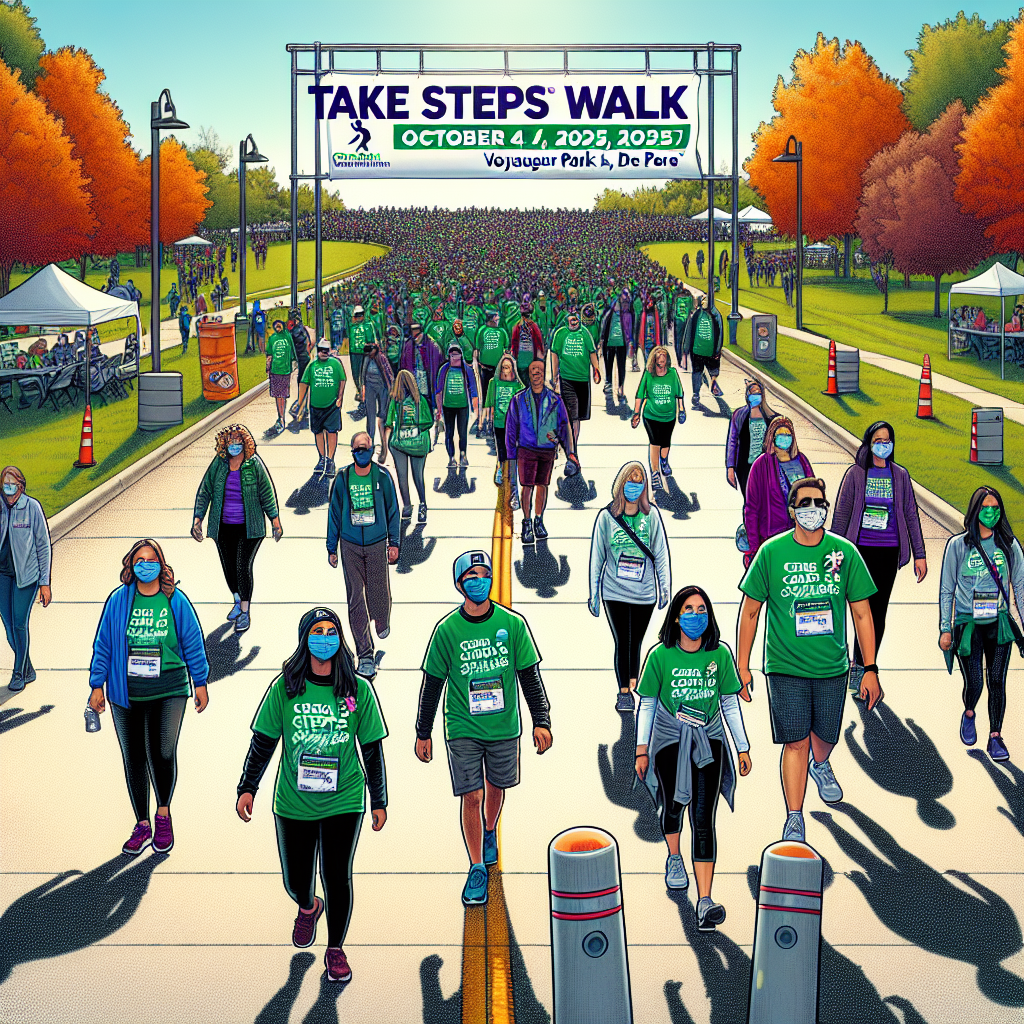
There’s something profoundly healing about being surrounded by people who truly understand. If you live with Crohn’s disease or ulcerative colitis, you know that invisible feeling—when you’re struggling internally while the world moves on around you, assuming you’re fine. That disconnect between your inner reality and outer appearance can be one of the loneliest aspects of IBD.
This is exactly why community events like the Green Bay Take Steps Walk represent so much more than fundraising—they’re lifelines of connection and understanding that many in our community desperately need.
Summary of here
The Green Bay community recently came together for a Take Steps Walk supporting those living with Crohn’s disease and ulcerative colitis. The event brought together families, friends, and supporters who formed teams, raised funds, and walked together to show solidarity with the IBD community. Beyond the financial contributions raised for research and treatment development, the walk created a space where people affected by these chronic conditions could share their stories, connect with others facing similar challenges, and experience the power of community support. The event emphasized that while IBD affects millions of people, creating moments of connection and understanding can help reduce the isolation that often accompanies invisible chronic illnesses.
This post summarizes reporting from here. Our analysis represents IBD Movement’s perspective and is intended to help patients understand how this news may affect them. Read the original article for complete details.
What This Means for the IBD Community
Community walks like Green Bay’s Take Steps event address a critical but often overlooked aspect of living with IBD: the profound psychological and social challenges that accompany the physical symptoms. While we often focus on managing flares, navigating treatments, and advocating with healthcare providers, the emotional toll of chronic illness can be equally debilitating.
Research consistently shows that people with IBD experience higher rates of anxiety and depression compared to the general population. This isn’t simply because dealing with a chronic illness is stressful—though it certainly is. The isolation that comes with IBD creates a perfect storm for mental health challenges. When you’re frequently canceling plans due to symptoms, feeling embarrassed about bathroom needs, or struggling to explain your “invisible” illness to others, it’s easy to feel disconnected from your community.
The Ripple Effect of Visibility
What makes events like the Green Bay walk so powerful is how they flip the script on IBD visibility. Instead of hiding symptoms or making excuses, participants are celebrated for sharing their stories. This visibility creates several important effects:
- Validation: Seeing others who understand your experience validates that your struggles are real and significant, even when they’re invisible to others.
- Education: These events help educate the broader community about IBD, reducing stigma and increasing understanding among family members, friends, and colleagues.
- Empowerment: Taking action together—whether through fundraising, walking, or simply showing up—transforms the feeling of being a passive patient into being an active advocate.
Building Your Support Network
If you’re inspired by Green Bay’s example but don’t have similar events in your area, consider these approaches to building your own support network:
- Look for local IBD support groups through hospitals or community centers
- Connect with online IBD communities where geography isn’t a barrier
- Consider starting conversations with trusted friends and family about what support looks like for you
- Explore whether your workplace offers employee resource groups for chronic illness
The Research Connection
While the community aspect of these walks is invaluable, it’s worth highlighting how the fundraising component directly impacts IBD research and treatment development. Every dollar raised contributes to:
- Clinical trials testing new medications and treatment approaches
- Research into the root causes of IBD, including genetic and environmental factors
- Development of personalized medicine approaches that could lead to more effective treatments
- Support services that help patients navigate the healthcare system and manage their condition
The connection between community support and scientific advancement isn’t just symbolic—it’s literal. The funds raised at events like Green Bay’s walk directly support the researchers and clinicians working toward better treatments and, ultimately, a cure.
Creating Your Own Moments of Connection
Not everyone can participate in organized walks, and that’s okay. The principles behind Green Bay’s success can be applied in smaller, more personal ways:
- Share your story: Whether with one trusted friend or in an online community, sharing your IBD experience can create connection and reduce isolation
- Seek understanding: Help the people in your life understand IBD by sharing resources or explaining how they can best support you
- Find your community: This might be other IBD patients, but it could also be anyone who deals with chronic illness or simply values authentic, supportive relationships
- Take meaningful action: Whether it’s fundraising, volunteering, or simply prioritizing your own health management, taking action can transform feelings of helplessness into empowerment
Questions to Consider
Green Bay’s walk highlights several important questions worth discussing with your healthcare team:
- How is your mental health being addressed alongside your physical IBD management?
- What resources are available in your area for IBD support and education?
- How can you better communicate your needs to family and friends?
- Are there lifestyle modifications that could help you feel more connected to your community?
The Broader Movement
Events like the Green Bay Take Steps Walk are part of a larger movement within the IBD community toward openness, advocacy, and mutual support. This shift from shame and isolation toward community and empowerment represents a fundamental change in how we approach chronic illness.
This movement recognizes that healing isn’t just about managing symptoms—it’s about addressing the whole person, including their need for connection, understanding, and hope. When communities like Green Bay come together, they’re not just raising money; they’re modeling a different way of living with chronic illness, one that prioritizes community over isolation and action over helplessness.
The success of these community-driven efforts also demonstrates something important to healthcare providers, policymakers, and researchers: that people with IBD are not passive recipients of care, but active participants in their health journey who bring valuable insights and tremendous resilience to the fight against these diseases.
Green Bay’s walk reminds us that while IBD may be a individual diagnosis, the fight against it doesn’t have to be a solitary one. In showing up for each other, sharing stories, and taking action together, communities can transform the experience of living with chronic illness from one of isolation to one of connection and hope.
Every step taken in Green Bay was a step toward a future where no one has to face IBD alone—and that’s a future worth walking toward, no matter how many steps it takes to get there.
IBD Movement provides information for educational purposes only. This content is not intended to be a substitute for professional medical advice, diagnosis, or treatment. Always seek the advice of your physician or other qualified health provider with any questions you may have regarding a medical condition.
Related Posts

Beyond Diet: Why Comprehensive Care Is Essential for Managing Crohn’s Disease
April 17, 2026
AI Revolution in IBD Care: How Artificial Intelligence Could Transform Your Treatment Journey
April 16, 2026
JAK Inhibitors in Crohn’s Disease: Navigating Safety Concerns and Treatment Decisions
April 15, 2026