The Hidden Strength of Moms Living with Crohn’s Disease
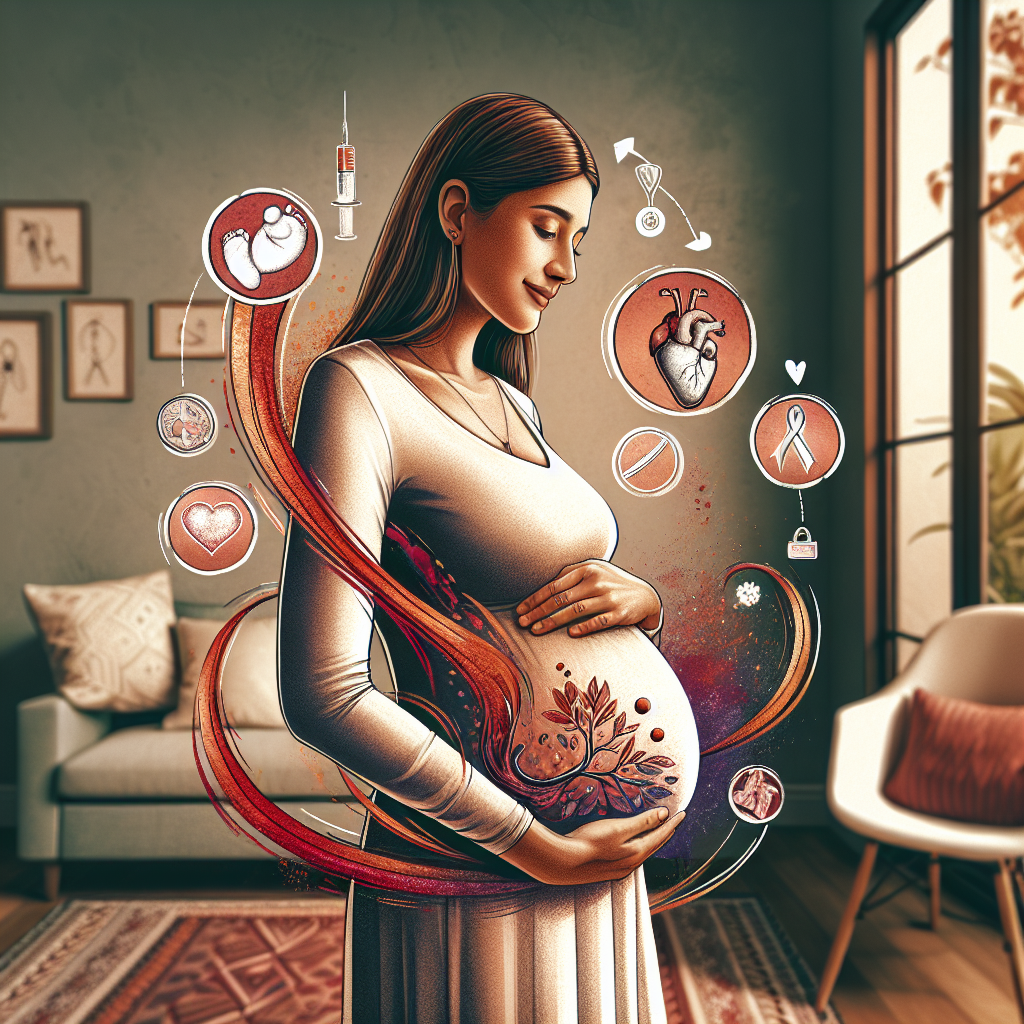
Picture this: It’s 6 AM, your toddler is crying, and you’re doubled over in pain from a Crohn’s flare. Yet somehow, you find the strength to comfort your child, prepare breakfast, and face another day. If this resonates with you, you’re not alone—millions of mothers navigate the complex intersection of Crohn’s disease and parenthood every single day.
The journey of motherhood is challenging enough, but when you add an unpredictable chronic illness into the mix, it becomes a testament to the incredible resilience of women living with IBD. Today, we’re diving deep into the unique challenges, triumphs, and practical realities that define this experience.
Summary of HealthCentral: What Are Your Thoughts About Being a Mom with Crohn’s?
Women with Crohn’s disease face distinct challenges that extend far beyond the typical symptoms of IBD. Unlike men with the condition, women must navigate additional complexities related to their reproductive health. Crohn’s can cause menstrual irregularities, making periods more painful, heavier, or unpredictable. The inflammation associated with the disease can disrupt hormone balance, often causing symptoms to flare around menstrual cycles.
Fertility concerns add another layer of complexity. Active Crohn’s disease can make conception more difficult, though women who conceive during remission often have healthy pregnancies. The key is careful planning—working with healthcare providers to ensure the disease is well-controlled, reviewing medication safety, and addressing nutritional needs throughout pregnancy and breastfeeding.
In rare cases, women may develop genital fistulas—abnormal passageways that can cause vaginal discharge of stool or gas, leading to embarrassment and frustration. Beyond reproductive issues, women with Crohn’s also face higher risks of iron-deficiency anemia due to intestinal bleeding and heavier menstrual periods.
Despite these challenges, many women with Crohn’s successfully manage both their disease and motherhood by building strong support networks, maintaining close relationships with their healthcare teams, and connecting with other mothers facing similar struggles.
This post summarizes reporting from HealthCentral: What Are Your Thoughts About Being a Mom with Crohn’s?. Our analysis represents IBD Movement’s perspective and is intended to help patients understand how this news may affect them. Read the original article for complete details.
What This Means for the IBD Community
This discussion highlights a critical gap in IBD care and awareness—the unique needs of women, particularly mothers, often go unaddressed in broader conversations about Crohn’s disease. As advocates and members of the IBD community, we need to recognize that gender-specific symptoms and challenges deserve specialized attention and resources.
The intersection of motherhood and chronic illness creates what researchers call a “double burden”—the physical and emotional demands of managing a chronic disease while caring for children. This reality affects not just individual families but our entire community’s understanding of what comprehensive IBD care should look like.
The Emotional Toll We Don’t Talk About Enough
Beyond the physical symptoms, there’s an emotional weight that mothers with Crohn’s carry that deserves recognition. Many women in our community struggle with guilt—feeling like they’re not the mother they want to be during flares, worrying about passing the disease to their children, or feeling isolated when other parents can’t understand their daily challenges.
The unpredictability of Crohn’s can be particularly challenging for mothers who are used to being the planners and caregivers in their families. When you can’t predict whether tomorrow will be a good day or a flare day, it affects everything from school pickup schedules to family vacation planning.
Practical Implications for Daily Life
The reproductive health challenges mentioned in the source article have real-world implications that extend far beyond medical appointments. When periods become unpredictable or more painful due to Crohn’s, it affects work schedules, social commitments, and family responsibilities. Many mothers find themselves juggling increased medical appointments, monitoring symptoms more closely, and constantly adjusting their routines.
The fertility concerns also create unique family planning considerations. Unlike couples without chronic illness, those affected by Crohn’s must time pregnancies around disease activity, medication schedules, and treatment plans. This can add stress to what should be joyful family decisions and may require months or years of preparation.
Questions to Discuss with Your Healthcare Team
If you’re a mother with Crohn’s or considering pregnancy, here are essential questions to bring to your next appointment:
- How might my menstrual cycle affect my Crohn’s symptoms, and vice versa?
- What should I know about medication safety if I’m planning to get pregnant or breastfeed?
- Are there specific nutritional supplements I should consider, especially given the higher risk of iron deficiency?
- How can I create an emergency plan for managing flares when I need to care for my children?
- What support resources are available for mothers with IBD in my area?
The Broader Picture: Changing the Conversation
This discussion reflects a growing recognition in the medical community that IBD affects women differently than men, and that these differences matter for treatment and support. We’re seeing more research into hormonal influences on IBD, better understanding of pregnancy-related considerations, and increased awareness of the psychological impact of chronic illness on mothers.
The IBD community is also becoming more vocal about the need for family-centered care approaches. This means healthcare providers who understand that treating a mother with Crohn’s isn’t just about managing her symptoms—it’s about supporting her entire family’s wellbeing.
Building Support Networks That Actually Help
One of the most powerful aspects of sharing these experiences is the validation it provides to other mothers facing similar challenges. When women realize they’re not alone in struggling with the guilt, unpredictability, and complex emotions that come with being a mother with Crohn’s, it can be transformative.
Online communities, local support groups, and even informal networks of mothers with IBD are becoming increasingly valuable resources. These connections provide not just emotional support, but practical advice on everything from managing symptoms during school events to explaining chronic illness to children in age-appropriate ways.
The resilience highlighted in the original article isn’t just individual strength—it’s often the result of community support, understanding healthcare providers, and family members who step up to help. Recognizing this can help us build better support systems for all mothers in our community.
The bottom line: Motherhood with Crohn’s disease is challenging, but it’s also a testament to the incredible strength and adaptability of women in our community. By acknowledging the unique struggles, advocating for better healthcare support, and building strong networks of understanding, we can ensure that no mother feels like she has to face these challenges alone. Your experience matters, your strength is real, and your story has the power to help other mothers who are walking this same path.
IBD Movement provides information for educational purposes only. This content is not intended to be a substitute for professional medical advice, diagnosis, or treatment. Always seek the advice of your physician or other qualified health provider with any questions you may have regarding a medical condition.
Related Posts

Beyond Diet: Why Comprehensive Care Is Essential for Managing Crohn’s Disease
April 17, 2026
AI Revolution in IBD Care: How Artificial Intelligence Could Transform Your Treatment Journey
April 16, 2026
JAK Inhibitors in Crohn’s Disease: Navigating Safety Concerns and Treatment Decisions
April 15, 2026