How Air and Water Pollution Might Be Worsening Your IBD
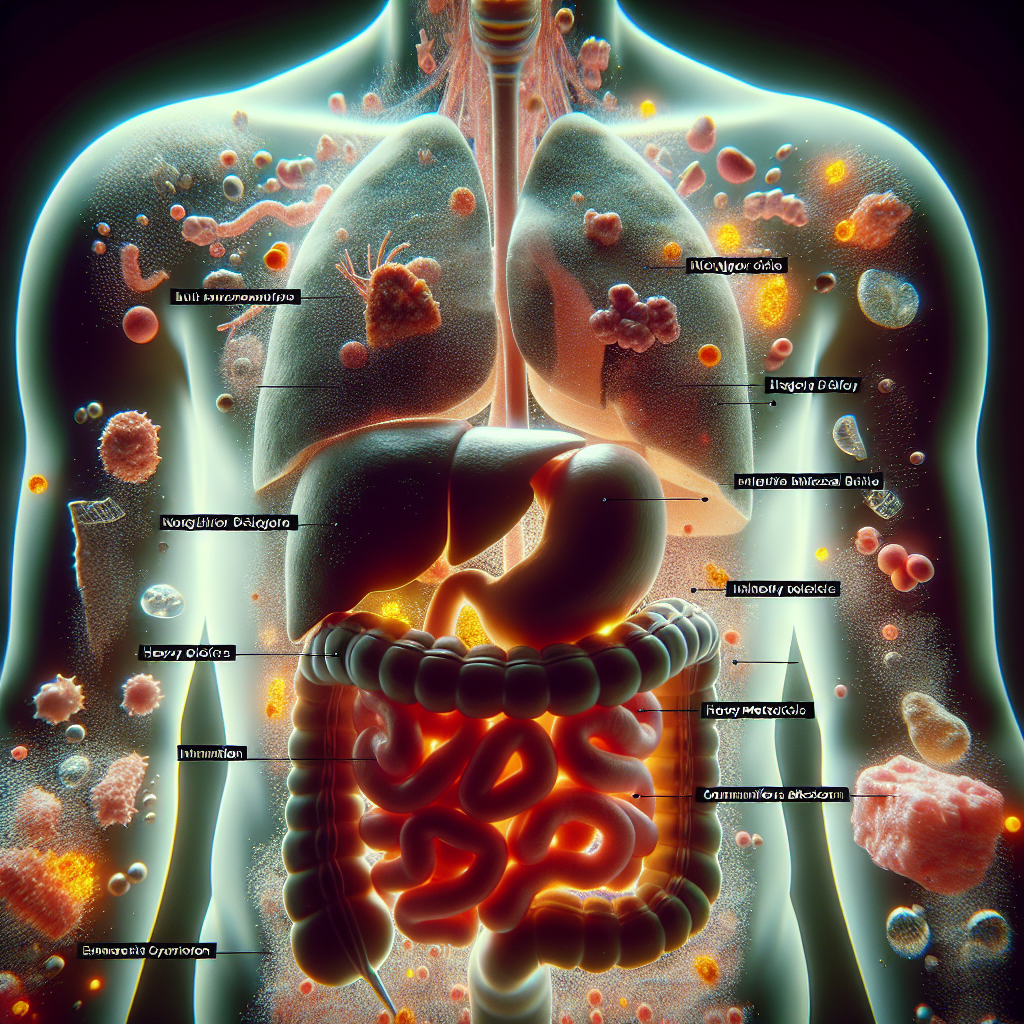
For those of us living with inflammatory bowel disease, we’re already hyperaware of how our environment affects our digestive health. We know that stress can trigger flares, certain foods can send us running to the bathroom, and even changes in routine can upset our delicate gut balance. But what if I told you that the very air you breathe on your morning walk or the water you use to take your medications could be silently contributing to inflammation in your already-sensitive digestive system?
It’s an unsettling thought, especially when you’re already managing so much with your IBD. But emerging research suggests that environmental pollution might be playing a larger role in digestive diseases than we previously understood—and for those of us with Crohn’s disease or ulcerative colitis, this connection deserves our attention.
Summary of Original Article
A comprehensive review published in BMC Gastroenterology examined the growing body of evidence linking air and water pollution to gastrointestinal health problems. The researchers looked at how both short-term and long-term exposure to environmental pollutants can disrupt our gut’s delicate ecosystem and potentially worsen digestive diseases.
The study found that air pollution—including tiny particles in the air (particulate matter), nitrogen dioxide from vehicle exhaust, and other airborne toxins—has been connected to higher risks of inflammatory bowel diseases like Crohn’s disease and ulcerative colitis. It’s also linked to liver problems and even colon cancer. These pollutants work against us in several ways: they can mess with our gut bacteria balance, weaken the protective lining of our intestines, increase inflammation throughout our bodies, and even contribute to liver damage when toxins get absorbed into our bloodstream.
Water contamination presents its own set of challenges. When our drinking water contains heavy metals, agricultural chemicals, or even microscopic plastic particles, these substances can throw off our digestive function and disrupt the beneficial bacteria in our gut. This can lead to functional digestive disorders like irritable bowel syndrome or make existing chronic conditions worse.
The research particularly highlighted how pollution affects the gut-liver connection—essentially the communication pathway between our intestines and liver. When pollutants damage our intestinal barrier (think of it as our gut’s protective wall), more harmful substances can slip into our bloodstream and reach our liver, potentially causing additional damage.
The study also noted that certain groups face higher risks, including children, older adults, and people with existing health conditions. Those living in heavily industrialized areas or major cities often face greater exposure to these harmful substances.
This post summarizes reporting from Original Article. Our analysis represents IBD Movement’s perspective and is intended to help patients understand how this news may affect them. Read the original article for complete details.
What This Means for the IBD Community
As someone who understands the daily reality of living with IBD, this research hits particularly close to home. We already know our immune systems are overactive, constantly fighting battles in our digestive tract. The idea that environmental pollutants might be adding fuel to this inflammatory fire is both concerning and, frankly, a bit overwhelming when you first think about it.
But here’s what I find most significant about this research: it validates what many of us have long suspected. How many times have you noticed your symptoms seem worse during high-pollution days or after moving to a new city? While we can’t always pinpoint exact causes for our flares, this research suggests that environmental factors might be more influential than we previously understood.
For those of us managing Crohn’s disease or ulcerative colitis, this information is particularly relevant because our intestinal barriers are already compromised. The protective lining of our gut—which normally keeps harmful substances from entering our bloodstream—is often damaged or inflamed due to our condition. This means we might be more vulnerable to the effects of environmental pollutants than people with healthy digestive systems.
The gut microbiome connection is especially important for our community. Many of us are already working hard to maintain a healthy balance of gut bacteria through probiotics, dietary changes, or medications. Understanding that air and water pollution can disrupt this delicate ecosystem gives us another piece of the puzzle in managing our overall health.
From a practical standpoint, this research raises important questions you might want to discuss with your gastroenterologist. If you live in an area with high air pollution, should this influence your treatment plan? Are there additional protective measures you should consider? If you’re experiencing unexplained flares, could environmental factors be contributing?
This research also connects to broader trends we’re seeing in IBD research, particularly the increasing recognition that IBD isn’t just about genetics and immune function—environmental factors play a crucial role too. We’ve seen similar research examining how ultra-processed foods, stress, and sleep patterns affect our condition. This pollution research adds another layer to our understanding of the complex web of factors that influence our digestive health.
What’s both frustrating and empowering about this information is that it highlights factors largely beyond our individual control while also suggesting areas where we might have some influence. We can’t single-handedly clean up air pollution, but we can make informed choices about where we live, work, and spend time when possible.
For parents in our community raising children with IBD, this research might feel particularly heavy. The study’s emphasis on children being more vulnerable to pollution’s effects adds another layer of concern. However, it also reinforces the importance of advocating for cleaner environments and supporting policies that protect air and water quality—not just for ourselves, but for the next generation of IBD patients.
I think this research also underscores the importance of taking a holistic approach to IBD management. While medications remain crucial for controlling inflammation, this study reminds us that environmental health is digestive health. Supporting clean air and water initiatives isn’t just good citizenship—it might be an important part of protecting our own health and that of our IBD community.
The Bottom Line
While this research might initially feel overwhelming—as if there’s yet another thing to worry about in our already complex relationship with IBD—I prefer to see it as empowering. Knowledge is power, and understanding how environmental factors might influence our condition gives us more tools to advocate for our health.
We can’t control every aspect of our environment, but we can make informed decisions where possible, support clean air and water initiatives, and have more comprehensive discussions with our healthcare teams about all the factors that might influence our IBD. Most importantly, this research reminds us that we’re not imagining the connections between our environment and our gut health—science is catching up to what many of us have long suspected.
IBD Movement provides information for educational purposes only. This content is not intended to be a substitute for professional medical advice, diagnosis, or treatment. Always seek the advice of your physician or other qualified health provider with any questions you may have regarding a medical condition.
Related Posts

Beyond Diet: Why Comprehensive Care Is Essential for Managing Crohn’s Disease
April 17, 2026
AI Revolution in IBD Care: How Artificial Intelligence Could Transform Your Treatment Journey
April 16, 2026
JAK Inhibitors in Crohn’s Disease: Navigating Safety Concerns and Treatment Decisions
April 15, 2026