Your Gut Bacteria May Hold the Key to Better Life with IBD
If you’re living with IBD, you know that some days feel like you’re fighting an invisible battle—not just against symptoms, but against the weight of uncertainty that colors every aspect of your life. You might wake up wondering: Will today be a good day? Will I have energy for work, for family, for the things that matter most? What if I told you that the answer might lie not just in your medications or diet, but in the trillions of microscopic allies living in your gut?
For too long, we’ve thought of IBD primarily through the lens of inflammation and immune dysfunction. But groundbreaking research is revealing something profound: the community of bacteria in your intestines—your gut microbiome—may be quietly orchestrating not just your physical symptoms, but your overall quality of life in ways we’re only beginning to understand.
Summary of the original source
A significant new study examined 259 IBD patients (with both Crohn’s disease and ulcerative colitis) alongside 51 healthy individuals to understand how gut bacteria affect quality of life. Researchers analyzed stool samples to map the bacterial communities in each person’s intestines and found striking differences between those with and without IBD.
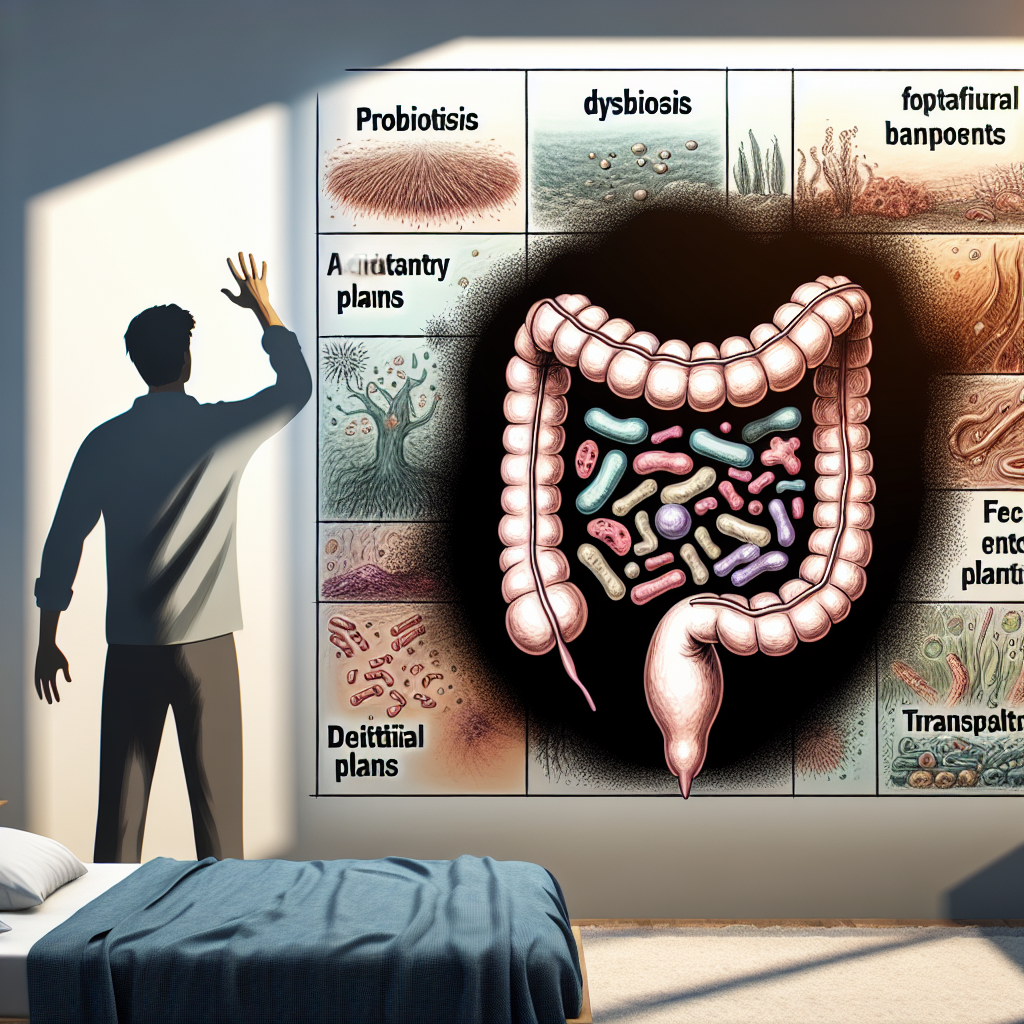
The IBD patients showed what scientists call “dysbiosis”—an imbalance in their gut bacteria. They had less diversity overall and different bacterial networks compared to healthy controls. Specifically, they had fewer beneficial bacteria like Faecalibacterium prausnitzii and more potentially problematic bacteria such as Escherichia coli.
Most importantly, these bacterial imbalances weren’t just linked to digestive symptoms. People with more severe dysbiosis reported significantly higher levels of anxiety, depression, fatigue, and greater limitations in their daily activities. The research suggests that gut bacteria may directly influence mood, energy levels, and overall life satisfaction—not just intestinal inflammation.
This post summarizes reporting from the original source. Our analysis represents IBD Movement’s perspective and is intended to help patients understand how this news may affect them. Read the original article for complete details.
What This Means for the IBD Community
This research validates something many of us in the IBD community have long suspected: our struggles aren’t “just in our heads,” and they’re not limited to what happens in the bathroom. When you feel exhausted, anxious, or emotionally drained living with IBD, there may be a very real, measurable biological reason rooted in the microscopic ecosystem of your gut.
Think about your own experience. Have you noticed that your mood often mirrors your gut health? When you’re in a flare, do you find yourself feeling more anxious or depressed? This study suggests those connections aren’t coincidental—they may be driven by the same bacterial imbalances that contribute to your physical symptoms.
What’s particularly exciting is that this research points toward your gut microbiome as a potentially modifiable factor in your overall well-being. Unlike genetic factors or autoimmune triggers that feel largely beyond our control, the bacterial community in your gut can potentially be influenced through targeted interventions.
Practical Implications for Daily Life
This research opens up new conversations you might want to have with your healthcare team. While we’ve traditionally focused on inflammation markers, symptom frequency, and medication responses, this study suggests we should also be considering your gut microbiome as a key player in your overall health picture.
Consider asking your doctor about:
- Whether microbiome testing might be helpful in understanding your specific bacterial profile
- How current treatments might be affecting your gut bacteria (both positively and negatively)
- Whether targeted probiotic therapies could complement your existing treatment plan
- How dietary modifications might support a healthier microbial balance
- Whether emerging therapies like fecal microbiota transplantation might be appropriate for your situation
It’s also worth noting that this research helps explain why comprehensive IBD care needs to address mental health alongside physical symptoms. If bacterial imbalances are contributing to anxiety and depression, treating these aspects of your health isn’t just about feeling better emotionally—it’s about addressing the biological roots of your overall disease experience.
The Bigger Picture: A Paradigm Shift in IBD Care
This study represents part of a larger shift in how we understand IBD. We’re moving from a model that sees IBD as primarily an autoimmune condition affecting the intestines to one that recognizes it as a complex interaction between genetics, immune function, environmental factors, and microbial communities—all of which can influence not just your gut, but your entire quality of life.
This broader view offers hope because it suggests multiple pathways for improvement. While we wait for new medications or treatments to be developed, there may be ways to support your microbiome today through thoughtful dietary choices, stress management, sleep optimization, and other lifestyle factors that influence bacterial health.
The research also highlights why personalized medicine matters in IBD. Just as we’ve learned that different people respond differently to various medications, this study suggests that microbial interventions will likely need to be tailored to each person’s unique bacterial profile and life circumstances.
Questions Worth Exploring
As you process this information, you might consider reflecting on your own patterns:
- Do you notice connections between your digestive symptoms and your mood or energy levels?
- Have you experimented with probiotics or dietary changes that seemed to affect both your gut and your overall well-being?
- Are there times when you felt better overall, not just symptom-wise, and what might have contributed to those improvements?
- How might supporting your microbiome fit into your current treatment approach?
These aren’t questions you need to answer alone. They’re starting points for conversations with healthcare providers who understand both the science of IBD and your individual experience with the condition.
Looking Forward with Hope
What strikes me most about this research is how it validates the complexity of living with IBD while simultaneously offering new avenues for hope. For years, many in our community have felt frustrated by the gap between treating symptoms and truly thriving. This study suggests that gap might be bridgeable through a deeper understanding of the microbial partners we carry with us every day.
The path forward isn’t just about finding new medications or procedures—though those remain important. It’s about recognizing that your gut bacteria are active participants in your health story, and that by supporting them, you might be supporting not just your physical symptoms, but your energy, mood, and overall quality of life. That’s not just medical progress; for many of us, it’s a reason to feel genuinely optimistic about what’s possible in our journey with IBD.
IBD Movement provides information for educational purposes only. This content is not intended to be a substitute for professional medical advice, diagnosis, or treatment. Always seek the advice of your physician or other qualified health provider with any questions you may have regarding a medical condition.
Related Posts

Beyond Diet: Why Comprehensive Care Is Essential for Managing Crohn’s Disease
April 17, 2026
AI Revolution in IBD Care: How Artificial Intelligence Could Transform Your Treatment Journey
April 16, 2026
JAK Inhibitors in Crohn’s Disease: Navigating Safety Concerns and Treatment Decisions
April 15, 2026