New Cell Therapy for Crohn’s Fistulas Gets FDA Fast Track
If you’re living with Crohn’s disease, you know that perianal fistulas represent one of the most challenging and emotionally draining complications we face. These painful tunnels that form between the intestine and skin don’t just hurt physically—they can steal your confidence, limit your activities, and leave you feeling isolated. Traditional treatments often feel like a revolving door of temporary fixes, surgeries that don’t quite work, and the constant fear that the problem will return.
Today, there’s reason for cautious optimism. A new therapy specifically designed for this stubborn complication has just received special recognition from the FDA, potentially accelerating its path to patients who desperately need better options.
Summary of the original source
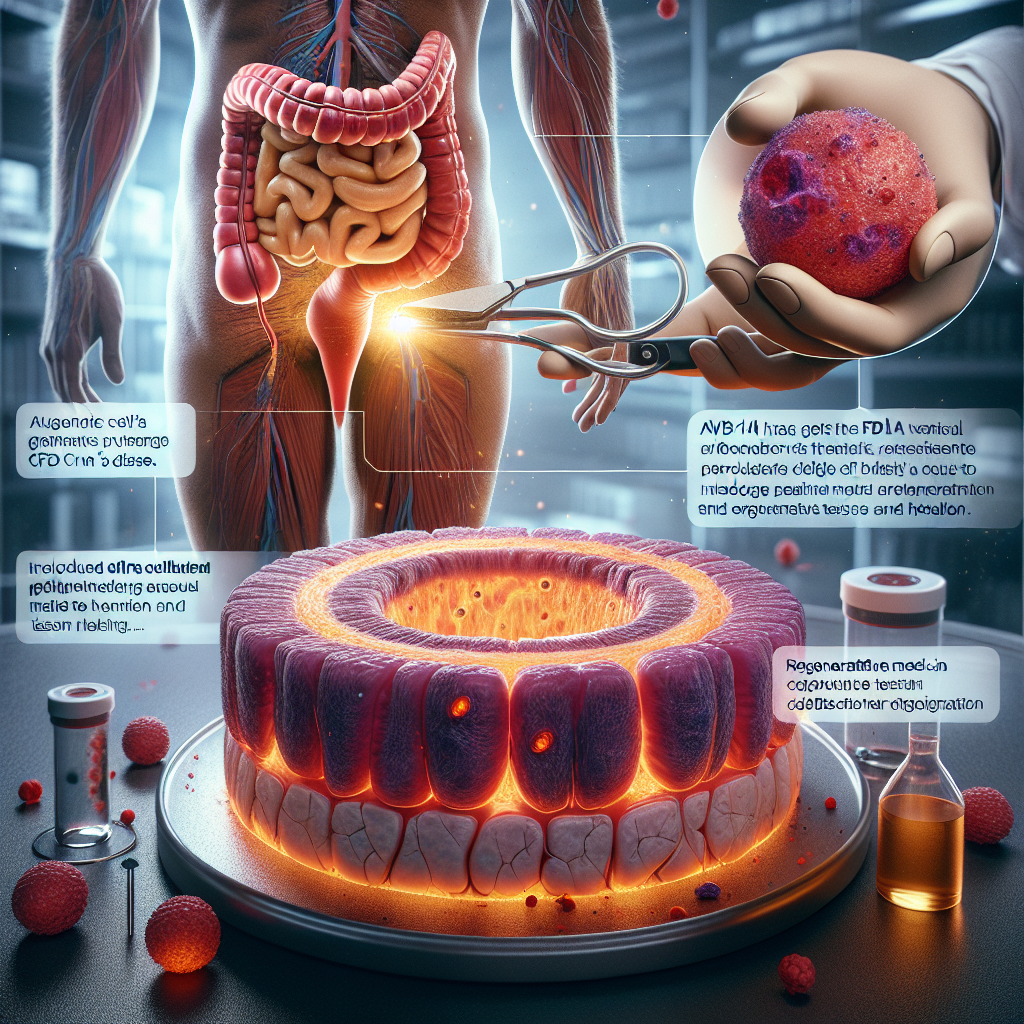
Avobis Bio’s experimental treatment called AVB-114 has received FDA Regenerative Medicine Advanced Therapy (RMAT) designation. This special status is only given to therapies that show promise for treating serious conditions where current treatments aren’t working well enough. AVB-114 is a cell therapy that uses specially prepared cells and a supportive matrix to help heal perianal fistulas in Crohn’s patients—those painful, hard-to-treat tunnels that can form near the rectum.
The therapy works by injecting expanded dermal fibroblasts (healing cells from skin tissue) combined with an extracellular matrix directly into the fistula area. The goal is to stimulate natural tissue regeneration and encourage the fistula to close permanently. The RMAT designation means the FDA will work more closely with the company to speed up development and review, potentially getting this treatment to patients faster.
This post summarizes reporting from the original source. Our analysis represents IBD Movement’s perspective and is intended to help patients understand how this news may affect them. Read the original article for complete details.
What This Means for the IBD Community
For those of us who understand the daily reality of Crohn’s disease, this news hits differently than it might for the general public. Perianal fistulas affect up to 40% of people with Crohn’s disease at some point, and they’re notoriously difficult to treat effectively. Current options—from antibiotics to seton placements to complex surgeries—work for some people but leave many others cycling through treatments without lasting relief.
What makes AVB-114 particularly interesting is its regenerative approach. Instead of trying to manage inflammation or surgically repair the problem, this therapy aims to actually regrow healthy tissue where the fistula exists. Think of it like giving your body the cellular tools it needs to heal itself properly, rather than just trying to control the damage.
The RMAT designation is significant because it acknowledges what we already know: current treatments for perianal fistulas simply aren’t good enough. The FDA doesn’t hand out these designations lightly—they’re specifically for therapies addressing “unmet medical needs.” That clinical language translates to real suffering for real people who deserve better options.
From a practical standpoint, this designation could mean AVB-114 reaches patients years earlier than it might through standard approval processes. The FDA will provide more guidance during development, potentially streamline clinical trials, and prioritize the application when it’s submitted for approval. For people currently struggling with fistulas, this timeline acceleration could be life-changing.
Questions to Consider Discussing with Your Doctor:
- If you have perianal fistulas, ask about current clinical trials for AVB-114 or similar regenerative therapies
- Discuss whether your current fistula management plan is optimal while waiting for new treatments
- Explore whether your treatment center participates in cutting-edge fistula research
- Ask about the pros and cons of maintaining your current treatment versus waiting for new options
This development also reflects a broader trend in IBD treatment that should encourage all of us: the medical community is increasingly recognizing that inflammatory bowel diseases require innovative, targeted approaches. We’re moving beyond the era of “try this medication and see what happens” toward precision medicine and regenerative solutions designed for specific complications.
It’s worth noting that cell therapies like AVB-114 represent a completely different approach than traditional IBD medications. While our usual treatments focus on suppressing inflammation system-wide, regenerative therapies work locally to actually repair damaged tissue. This could mean fewer systemic side effects and more durable healing—though we’ll need to see more clinical trial data to understand the full picture.
For caregivers and family members reading this, understanding the significance of fistula complications can help you better support your loved one. These aren’t just minor inconveniences—they can profoundly impact quality of life, relationships, and mental health. Having a new therapeutic option on the horizon provides hope not just for physical healing, but for restoring the dignity and confidence that fistulas can steal away.
The Bottom Line
While AVB-114 is still in clinical trials and won’t be available immediately, its RMAT designation represents genuine progress for one of Crohn’s disease’s most challenging complications. This isn’t just another incremental improvement—it’s a fundamentally different approach that could offer lasting healing where other treatments have failed.
For anyone currently dealing with perianal fistulas, this news doesn’t mean you should pause your current treatment, but it does mean you should stay informed about clinical trial opportunities and maintain hope that better solutions are coming. The IBD community has waited too long for innovative fistula treatments, and AVB-114’s FDA recognition suggests that wait may finally be nearing an end.
IBD Movement provides information for educational purposes only. This content is not intended to be a substitute for professional medical advice, diagnosis, or treatment. Always seek the advice of your physician or other qualified health provider with any questions you may have regarding a medical condition.
Related Posts

Beyond Diet: Why Comprehensive Care Is Essential for Managing Crohn’s Disease
April 17, 2026
AI Revolution in IBD Care: How Artificial Intelligence Could Transform Your Treatment Journey
April 16, 2026
JAK Inhibitors in Crohn’s Disease: Navigating Safety Concerns and Treatment Decisions
April 15, 2026