Could Ocean Algae Hold the Key to Better IBD Treatment?
If you’re living with Crohn’s disease or ulcerative colitis, you know the frustration of treatments that seem to chase symptoms rather than address what’s really going wrong in your gut. You’ve likely experienced the cycle of hope and disappointment—trying new medications, dealing with side effects, wondering if there’s something better out there. What if the answer isn’t in another pharmaceutical lab, but floating in our oceans and growing in our waters?
A groundbreaking European research initiative is turning to one of nature’s most ancient life forms—algae—to potentially revolutionize how we approach IBD treatment. For those of us who’ve felt let down by conventional approaches, this represents something profoundly different: a return to nature’s pharmacy.
Summary of https://www.openaccessgovernment.org/article/algae4ibd-a-holistic-approach-to-ibd-treatment/199699/
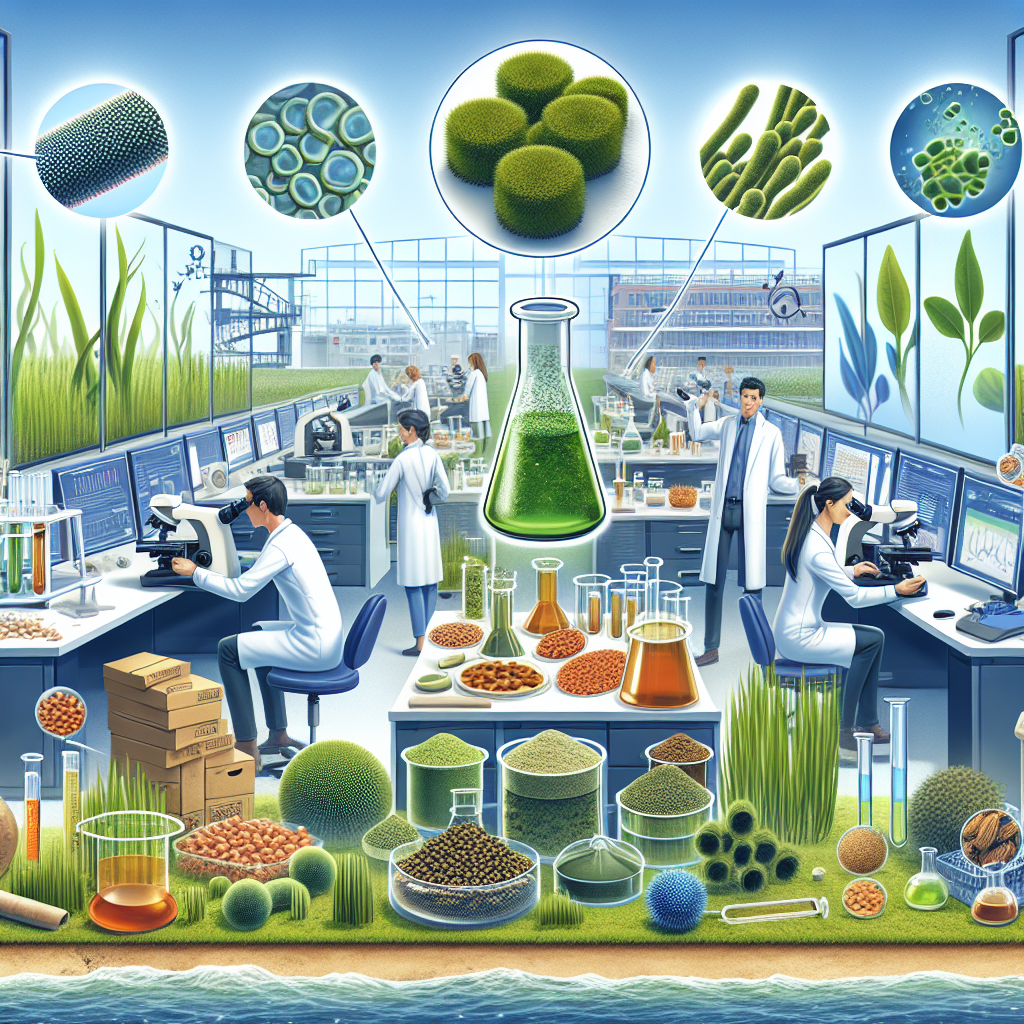
The Algae4IBD project brings together European researchers who are exploring how algae—both the microscopic kind and larger seaweeds—might help treat inflammatory bowel disease. Instead of focusing solely on symptom management, these scientists are investigating algae’s natural compounds that have anti-inflammatory, antioxidant, and immune-balancing properties.
The research team is building what they call a ‘bioactive repository’—essentially a library of beneficial compounds found in different algae species. Their goal isn’t just to understand these natural medicines, but to develop practical products like dietary supplements, functional foods, and pharmaceutical ingredients that could help IBD patients and others with chronic inflammatory conditions.
What makes this approach particularly interesting is its focus on sustainability. Algae cultivation requires fewer resources than traditional agriculture while potentially delivering powerful health benefits. The project combines cutting-edge microbiome science, data analysis, and food technology to ensure any resulting treatments are safe, effective, and accessible.
This post summarizes reporting from https://www.openaccessgovernment.org/article/algae4ibd-a-holistic-approach-to-ibd-treatment/199699/. Our analysis represents IBD Movement’s perspective and is intended to help patients understand how this news may affect them. Read the original article for complete details.
What This Means for the IBD Community
As someone who follows IBD research closely, I find the Algae4IBD approach refreshingly different from the typical drug development pipeline. Here’s why this matters to those of us living with IBD, and why it represents a potentially significant shift in how we think about treatment.
A Gentler Path Forward
Many IBD medications come with a laundry list of potential side effects that can sometimes feel as challenging as the disease itself. Immunosuppressants increase infection risk, biologics can cause injection site reactions, and steroids… well, we all know the story with steroids. The appeal of algae-based treatments isn’t just their potential effectiveness—it’s the possibility of achieving therapeutic benefits without the harsh side effects that currently define so much of IBD treatment.
This doesn’t mean algae-derived treatments will be completely side-effect free, but natural compounds often work more gently with our bodies’ existing systems rather than dramatically suppressing or altering them.
Addressing Root Causes, Not Just Symptoms
What excites me most about this research is its focus on the underlying inflammatory processes that drive IBD. Rather than simply blocking inflammation after it occurs, algae compounds might help restore balance to an overactive immune system. This could mean fewer flares, better healing of existing damage, and potentially longer periods of remission.
The anti-inflammatory and immunomodulatory properties mentioned in the research suggest these treatments might work more like a tuning fork for your immune system—helping it find its natural rhythm rather than shutting it down entirely.
Microbiome Support
The project’s integration of microbiome science is particularly promising. We know that gut bacteria play a crucial role in IBD, and many algae species contain compounds that can positively influence our microbial communities. This could mean treatments that not only reduce inflammation but also help rebuild a healthier gut ecosystem—something that could have lasting benefits beyond symptom control.
Questions for Your Healthcare Team
While we wait for Algae4IBD research to develop into actual treatments, there are some conversations you might want to have with your doctor:
- Are there any current algae-based supplements that might complement your existing treatment plan?
- What does your doctor think about natural anti-inflammatory approaches as adjunct therapy?
- How might future algae-based treatments fit with your current medication regimen?
- What signs should you watch for that might indicate your microbiome needs support?
The Bigger Picture
This research represents a broader trend in IBD treatment that I find encouraging—a move toward personalized, holistic approaches that consider the whole person, not just the inflamed tissue. We’re seeing similar shifts with fecal microbiota transplantation, precision nutrition, and mind-body therapies. The medical community is beginning to recognize that IBD is complex and multifaceted, requiring solutions that are equally sophisticated.
Managing Expectations
While I’m optimistic about this research, it’s important to maintain realistic expectations. Moving from promising compounds in a laboratory to safe, effective treatments for patients typically takes years, sometimes decades. The Algae4IBD project is still in its research phases, meaning we likely won’t see algae-based IBD treatments on pharmacy shelves anytime soon.
That said, the foundation being built by this research could accelerate future developments. By creating a comprehensive database of bioactive compounds and understanding how they work, researchers are laying groundwork that could benefit multiple treatment approaches.
What You Can Do Now
While we wait for these specific treatments to develop, you can start incorporating some algae-based nutrition into your diet—with your doctor’s approval, of course. Seaweed, spirulina, and chlorella are already available and have been used safely by many people with IBD. These won’t cure your condition, but they might provide some beneficial nutrients and compounds that support overall gut health.
More importantly, stay engaged with research developments like this one. When you’re informed about emerging treatments, you can have more productive conversations with your healthcare team about what might be worth trying and what might be worth waiting for.
The fact that researchers are looking beyond traditional pharmaceutical approaches gives me hope that the future of IBD treatment will include more options, gentler approaches, and solutions that work with our bodies rather than against them. Projects like Algae4IBD remind us that sometimes the most innovative solutions come from the most ancient sources.
Nature has been fine-tuning medicinal compounds for millions of years. Perhaps it’s time we listened more closely to what it has to teach us about healing our guts and reclaiming our lives from IBD.
IBD Movement provides information for educational purposes only. This content is not intended to be a substitute for professional medical advice, diagnosis, or treatment. Always seek the advice of your physician or other qualified health provider with any questions you may have regarding a medical condition.
Related Posts

Beyond Diet: Why Comprehensive Care Is Essential for Managing Crohn’s Disease
April 17, 2026
AI Revolution in IBD Care: How Artificial Intelligence Could Transform Your Treatment Journey
April 16, 2026
JAK Inhibitors in Crohn’s Disease: Navigating Safety Concerns and Treatment Decisions
April 15, 2026