How Your Diet May Be Silently Fueling IBD Inflammation
That morning latte and pastry, the quick fast-food lunch, the late-night ice cream—these everyday comforts might feel like small joys in managing life with IBD. But what if I told you that these familiar choices could be quietly working against your gut health? It’s a reality many of us in the IBD community are just beginning to understand, and it’s both sobering and empowering.
The relationship between what we eat and how our bodies respond has never been more personal than when you’re living with Crohn’s disease or ulcerative colitis. Every meal becomes a careful consideration, every ingredient a potential trigger. Now, emerging research is giving us clearer answers about why certain foods seem to fuel our inflammation—and more importantly, how we might be able to fight back.
Summary of News Medical: Western Diet Fuels IBD
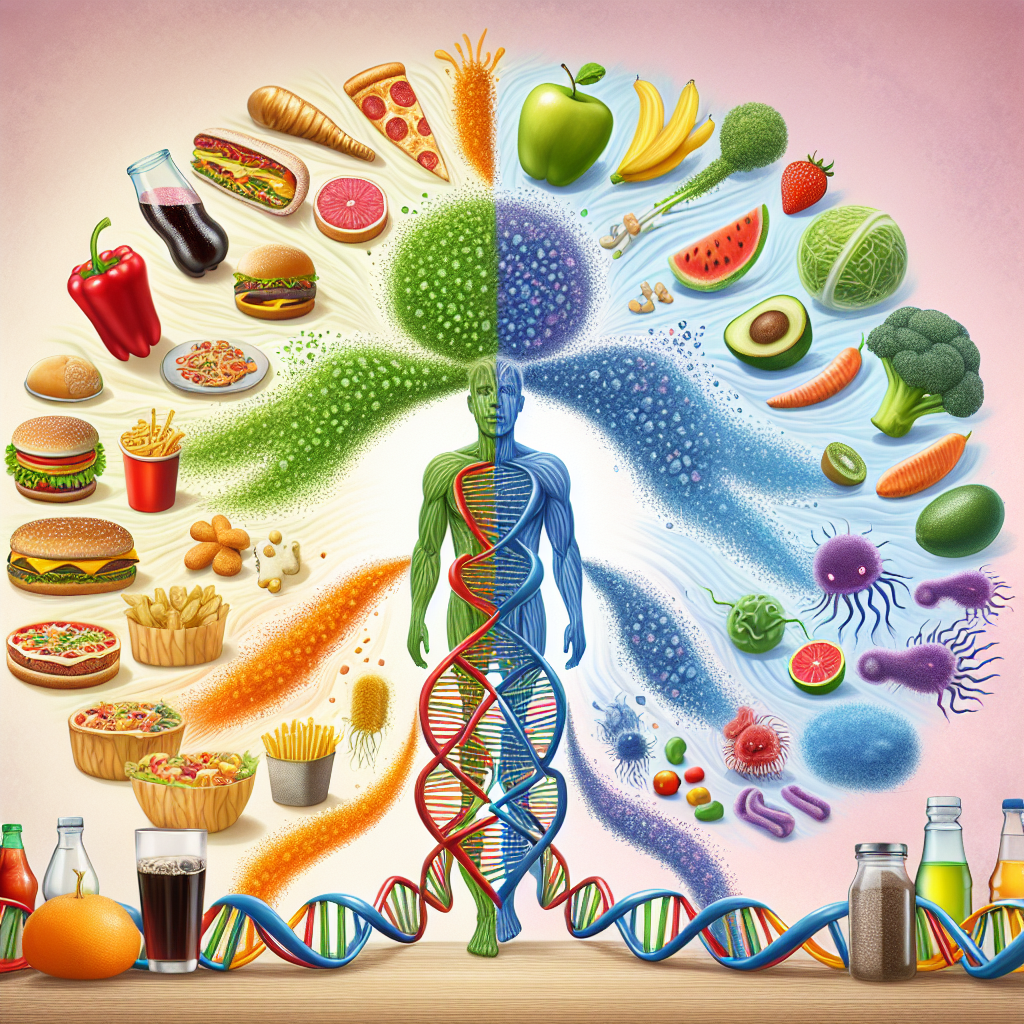
New research from the Joslin Diabetes Center has uncovered compelling evidence about how Western diets—those high in fats and sugars—directly impact the development and progression of inflammatory bowel disease. The study reveals that these dietary patterns don’t just contribute to general health problems; they specifically disrupt the delicate ecosystem of bacteria living in our gut, known as the microbiome.
The researchers conducted experiments with both human participants and laboratory mice, observing how different diets affected gut health. What they found was striking: Western-style diets led to less diverse, less healthy gut bacteria communities. This microbial imbalance triggered the release of inflammatory compounds and weakened the protective lining of the intestines—creating the perfect storm for IBD development or worsening.
In contrast, diets rich in plant-based fibers helped maintain healthier gut bacteria and stronger intestinal barriers, even in subjects with genetic predispositions to IBD. Based on these findings, the research team is proposing a new approach called “precision nutrition”—personalized diet plans based on an individual’s unique genetic makeup and microbiome composition.
This post summarizes reporting from News Medical: Western Diet Fuels IBD. Our analysis represents IBD Movement’s perspective and is intended to help patients understand how this news may affect them. Read the original article for complete details.
What This Means for the IBD Community
This research validates what many of us have suspected for years: our Western food environment isn’t just inconvenient for IBD management—it’s actively working against us. But here’s what makes this study particularly significant for our community: it’s not just telling us what we already know about processed foods being “bad.” Instead, it’s explaining the specific biological mechanisms that make certain foods problematic for people with IBD.
Understanding that high-fat, high-sugar foods literally change the composition of our gut bacteria gives us a scientific framework for making dietary choices. It’s no longer just about avoiding “trigger foods” based on trial and error—we now have evidence that these dietary patterns are fundamentally altering our gut environment in ways that promote inflammation.
For those of us managing active flares, this research offers both validation and hope. The validation comes from scientific confirmation that our dietary struggles aren’t just in our heads—there are real, measurable biological processes at work. The hope comes from understanding that if diet can contribute to IBD progression, then strategic dietary changes might help us regain some control.
The concept of precision nutrition is particularly exciting because it moves beyond the frustrating “one-size-fits-all” approach that has dominated IBD dietary advice. How many of us have tried elimination diets, anti-inflammatory protocols, or specific carbohydrate diets only to find mixed results? This research suggests that our individual responses to foods might be more predictable if we understand our personal genetic and microbial profiles.
Practical Implications for Daily IBD Management
While precision nutrition technology isn’t yet widely available in clinical practice, this research offers some immediate practical insights. The study’s emphasis on plant-based fibers aligns with what many gastroenterologists already recommend, but it gives us a clearer understanding of why these foods matter. Fiber isn’t just “good for digestion”—it’s actively feeding beneficial bacteria that help maintain our intestinal barrier.
This research also helps explain why the Standard American Diet feels so problematic for many people with IBD. It’s not just that processed foods lack nutrients; they’re actively promoting an inflammatory microbial environment. This knowledge can help us make more informed choices about occasional indulgences versus foods we consume regularly.
For caregivers and family members, this research provides a scientific foundation for understanding why dietary modifications matter so much in IBD management. It’s not about being “difficult” or “high-maintenance”—there are legitimate biological reasons why certain foods can significantly impact symptoms and disease progression.
Questions to Discuss with Your Healthcare Team
This research opens up several important conversation topics with your gastroenterologist or dietitian. You might ask about microbiome testing options currently available and whether they could inform your dietary approach. Many functional medicine practitioners are already incorporating microbiome analysis into treatment plans, though insurance coverage varies.
It’s also worth discussing whether your current medication regimen might be affecting your microbiome and how dietary changes could complement your treatment plan. Some medications used in IBD treatment can impact gut bacteria, and understanding these interactions might help optimize your overall approach.
If you’re considering significant dietary changes based on this research, working with a registered dietitian familiar with IBD is crucial. While the general principles of avoiding high-fat, high-sugar foods and emphasizing plant-based fibers are sound, implementing these changes safely—especially during active disease—requires professional guidance.
The Bigger Picture for IBD Research and Treatment
This study represents part of a broader shift in IBD research toward understanding the complex interactions between genetics, environment, and disease progression. We’re moving away from viewing IBD as simply an autoimmune condition toward recognizing it as a complex disorder influenced by multiple factors—including our daily food choices.
The precision nutrition approach also reflects growing recognition that IBD affects each person differently. What triggers a flare in one person might be perfectly tolerable for another, and what helps one person achieve remission might be ineffective for someone else. Having scientific tools to predict these individual differences could revolutionize how we approach IBD management.
This research also highlights the importance of prevention strategies. While much of IBD research focuses on treating established disease, understanding how dietary patterns contribute to IBD development could help identify at-risk individuals and potentially prevent disease onset in some cases.
The findings support what many in the IBD community have long advocated: that dietary intervention should be considered a legitimate part of comprehensive IBD treatment, not just an “alternative” approach. As this research continues to develop, we may see dietary counseling become a standard part of IBD care rather than something patients have to seek out independently.
Looking ahead, this type of research paves the way for more sophisticated dietary interventions. Instead of broad recommendations to “eat anti-inflammatory foods,” we might eventually have specific dietary prescriptions based on individual microbial and genetic profiles. This could make dietary management more effective and less frustrating for patients who have struggled with trial-and-error approaches.
Most importantly, this research reinforces that our daily choices matter. While we can’t control our genetics or completely eliminate environmental triggers, we do have significant influence over our dietary environment. Understanding the science behind these recommendations can make it easier to stick with beneficial changes, especially during challenging periods when symptoms are active.
This study also validates the experiences of many IBD patients who have found dietary modifications helpful for managing their symptoms. It provides scientific backing for what many of us have discovered through personal experience: that food choices can significantly impact how we feel and how our disease progresses.
The bottom line: This research gives us both scientific validation for what many IBD patients have experienced and hope for more personalized, effective dietary strategies in the future. While precision nutrition isn’t yet standard practice, the principles identified in this study—emphasizing plant-based fibers while limiting processed, high-fat, high-sugar foods—offer actionable steps we can take today. Most importantly, it reminds us that we’re not powerless in managing our IBD; our daily food choices are a powerful tool in our health management toolkit, and science is increasingly supporting their importance in IBD care.
IBD Movement provides information for educational purposes only. This content is not intended to be a substitute for professional medical advice, diagnosis, or treatment. Always seek the advice of your physician or other qualified health provider with any questions you may have regarding a medical condition.
Related Posts

Beyond Diet: Why Comprehensive Care Is Essential for Managing Crohn’s Disease
April 17, 2026
AI Revolution in IBD Care: How Artificial Intelligence Could Transform Your Treatment Journey
April 16, 2026
JAK Inhibitors in Crohn’s Disease: Navigating Safety Concerns and Treatment Decisions
April 15, 2026