When IBD Becomes a Family Legacy: The Rosenthals’ Three-Generation Story
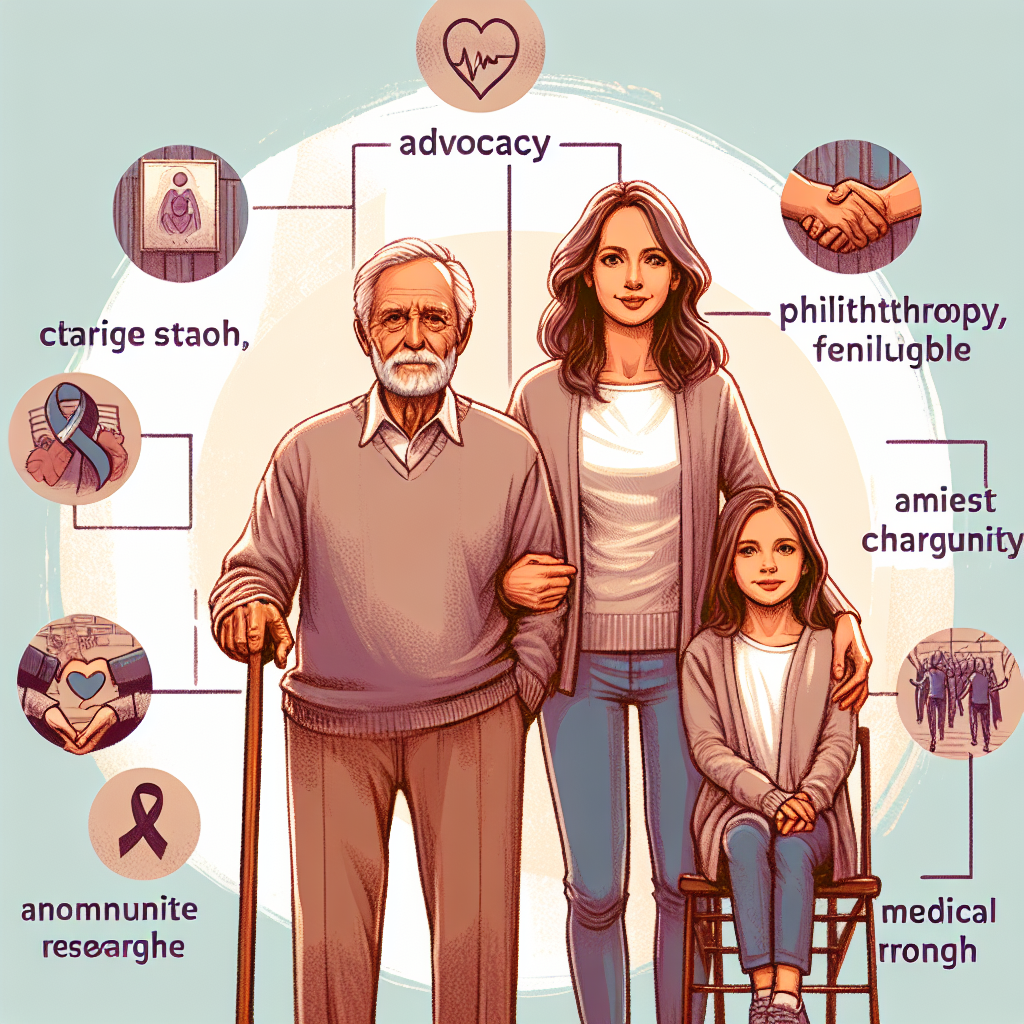
There’s something profoundly moving about watching three generations of one family turn their shared struggle with IBD into a beacon of hope for others. The Rosenthal family story isn’t just about living with Crohn’s disease—it’s about transforming that experience into something that lifts up an entire community.
When we talk about IBD being a “family affair,” we often mean the practical aspects—the caregiving, the understanding, the shared vocabulary of symptoms and treatments. But sometimes, it becomes something deeper: a shared mission that spans generations, turning individual pain into collective purpose.
Summary of Original Article
The Northeast Ohio Chapter of the Crohn’s & Colitis Foundation recently honored the Rosenthal family—Dr. Michael Rosenthal, his daughter Jaime, and granddaughter Taylor—at their annual “Evening of Hope” gala. All three have been diagnosed with inflammatory bowel disease, creating a unique multigenerational perspective on living with these conditions.
Dr. Michael Rosenthal was diagnosed with Crohn’s disease over thirty years ago as a young adult. Both his daughter Jaime and granddaughter Taylor later received similar diagnoses. Rather than letting the disease define their limitations, the Rosenthals have become tireless advocates for IBD awareness and research funding in their Ohio community and beyond.
The family has organized charity walks, shared their story publicly to reduce stigma around digestive diseases, and been instrumental in supporting research for new treatments. Taylor, the youngest family member, emphasizes how speaking openly about her struggles helps empower others to do the same, creating what she calls a “ripple effect” of positive change.
This post summarizes reporting from Original Article. Our analysis represents IBD Movement’s perspective and is intended to help patients understand how this news may affect them. Read the original article for complete details.
What This Means for the IBD Community
The Rosenthal family’s story touches on something many of us in the IBD community know all too well: the genetic component of these diseases. Studies show that having a first-degree relative with IBD increases your risk by 8-10 times for Crohn’s disease and 10-15 times for ulcerative colitis. But what makes the Rosenthals’ journey remarkable isn’t just that three generations developed IBD—it’s what they chose to do with that shared experience.
For many families dealing with hereditary aspects of IBD, there can be complex emotions. Parents may feel guilt about potentially “passing on” the condition. Children might feel anger or fear about their genetic inheritance. The Rosenthals show us a different narrative: one where shared struggle becomes shared strength.
The Power of Generational Perspective
Having three generations with IBD creates a unique dynamic that single-generation families don’t experience. Dr. Michael Rosenthal was diagnosed in an era when treatment options were more limited and stigma was even greater. His experience likely shaped how the family approached Jaime’s diagnosis, and by the time Taylor was diagnosed, they had decades of accumulated wisdom, advocacy skills, and community connections.
This generational knowledge transfer is invaluable. Younger family members benefit from learning management strategies early, understanding the importance of mental health support, and seeing firsthand that it’s possible to live a full, meaningful life with IBD. Older generations gain fresh perspectives on new treatments and the courage that comes from watching younger family members tackle challenges with resilience.
Breaking the Silence, Building Community
Taylor’s comment about the “ripple effect” of speaking openly resonates deeply. For too long, digestive diseases carried shame and silence. When prominent community members like the Rosenthals share their stories publicly, it gives permission for others to do the same. This matters because isolation is one of the most challenging aspects of living with IBD.
Consider the practical implications: When a teenager sees Taylor Rosenthal thriving despite her diagnosis, they might feel more hopeful about their own future. When a newly diagnosed parent meets Dr. Michael Rosenthal and learns about his successful career in medicine alongside his IBD journey, they might worry less about their professional prospects. These stories become roadmaps for possibility.
The Research Connection
The Rosenthals’ support for research funding represents a crucial understanding that many in our community share: today’s advocacy creates tomorrow’s treatment options. Families affected by IBD across multiple generations have a particularly acute awareness of how treatments have evolved and improved over time.
Dr. Michael Rosenthal’s treatment journey began in the 1990s, when biologic medications were just emerging. Jaime’s experience likely included access to more targeted therapies. Taylor’s generation is growing up with an even broader array of treatment options, including newer biologics, small molecules, and personalized medicine approaches. This lived experience of medical progress fuels the family’s commitment to ensuring that research continues.
Questions for Your Own Journey
The Rosenthal story raises important questions that many IBD families might consider discussing with their healthcare teams:
- If IBD runs in your family, what screening or monitoring might be appropriate for other family members?
- How can families with multiple IBD diagnoses share knowledge and support each other effectively?
- What role might genetic counseling play in family planning decisions?
- How can families turn their collective experience into community advocacy?
Beyond Individual Resilience
What’s particularly inspiring about the Rosenthals is how they’ve moved beyond individual resilience to community leadership. Many people with chronic illness develop personal coping strategies and find ways to manage their condition successfully. The Rosenthals took it further, recognizing that their collective experience could serve a larger purpose.
This evolution from patient to advocate to community leader isn’t automatic—it requires conscious choice and sustained effort. The family had to decide that their story was worth sharing, that their time and energy were worth investing in causes beyond their immediate needs, and that their pain could be transformed into purpose.
The Stigma Challenge
One of the most significant contributions families like the Rosenthals make is normalizing conversations about digestive diseases. IBD symptoms often feel embarrassing or inappropriate to discuss, leading to isolation and delayed diagnosis for many people. When respected community members speak openly about bathroom urgency, dietary restrictions, and medication side effects, it creates space for more honest conversations.
This stigma reduction has practical benefits: people seek diagnosis sooner, discuss symptoms more openly with healthcare providers, and feel more comfortable accessing workplace accommodations or social support systems.
The recognition of families like the Rosenthals sends a powerful message: that living with IBD doesn’t diminish your ability to contribute meaningfully to your community. In fact, it might enhance it, providing unique perspectives on resilience, empathy, and the importance of supporting others facing health challenges.
Their story reminds us that while we can’t always choose what happens to us, we can choose what we do with our experiences. The Rosenthals chose to turn their family’s health challenges into a force for positive change, creating ripple effects that extend far beyond their own lives.
For those of us navigating our own IBD journeys, their example offers both inspiration and practical guidance: that community connections matter, that our stories have value, that advocating for research and awareness can make a real difference, and that sometimes the most meaningful legacies are built not despite our challenges, but because of how we choose to face them.
IBD Movement provides information for educational purposes only. This content is not intended to be a substitute for professional medical advice, diagnosis, or treatment. Always seek the advice of your physician or other qualified health provider with any questions you may have regarding a medical condition.
Related Posts

Beyond Diet: Why Comprehensive Care Is Essential for Managing Crohn’s Disease
April 17, 2026
AI Revolution in IBD Care: How Artificial Intelligence Could Transform Your Treatment Journey
April 16, 2026
Acute Severe Ulcerative Colitis in Older Adults: Understanding the Heightened Risks and What It Means for You
April 13, 2026