Your Body, Your Battle: The Hidden Reality of IBD
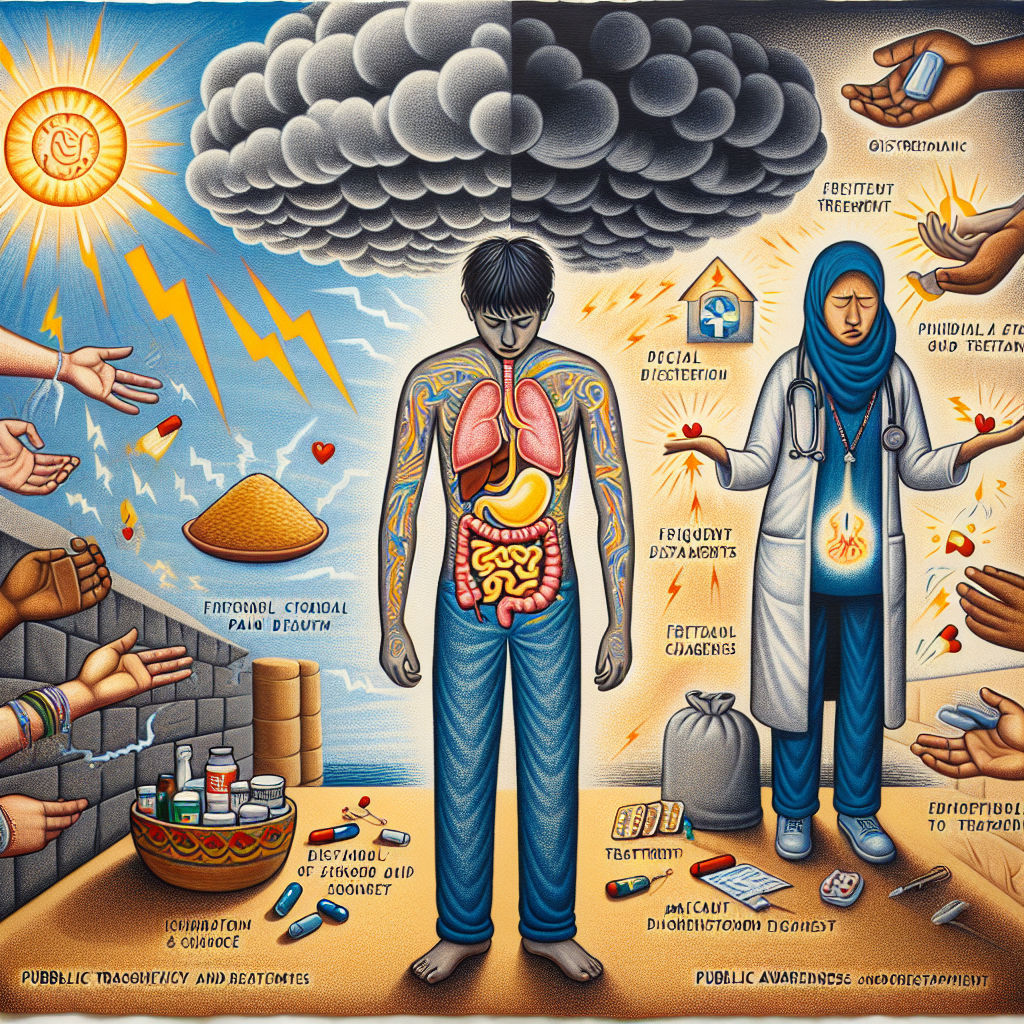
If you’re reading this, chances are you understand what it means when your own body becomes both home and battlefield. That moment when you realize the digestive symptoms you’ve been dismissing aren’t just stress or something you ate—they’re signs of a condition that will fundamentally change how you navigate the world. For those of us in the IBD community, this recognition often marks the beginning of a journey we never expected to take.
Living with inflammatory bowel disease means learning a new language of symptoms, treatments, and daily adaptations. It means discovering strength you didn’t know you had, while also acknowledging the very real challenges that come with chronic illness. Whether you’re newly diagnosed, supporting a loved one, or years into your IBD journey, understanding the broader picture of these conditions can help us feel less alone in our experiences.
Summary of https://www.kotatv.com/2025/10/17/healthwatch-inflammatory-bowel-disease/
A recent health report highlights the growing prevalence of inflammatory bowel disease across the United States, affecting millions of people with conditions including Crohn’s disease and ulcerative colitis. These chronic conditions occur when the immune system mistakenly attacks healthy tissue in the digestive tract, causing inflammation that leads to symptoms like abdominal pain, persistent diarrhea, unexplained weight loss, and debilitating fatigue.
Dr. Laura Krentz, a gastroenterologist featured in the report, explains that while IBD can develop at any age, it commonly begins during adolescence or early adulthood—often disrupting crucial life stages like college, early career development, or starting a family. The exact causes remain unclear, though researchers believe genetics and immune system dysfunction play significant roles.
Current treatment approaches focus on controlling inflammation and preventing flare-ups, since there’s no cure yet available. Management strategies range from dietary modifications and medications like corticosteroids or immunosuppressants, to newer biologic therapies that target specific immune pathways. In severe cases, surgery may be necessary to remove damaged portions of the intestine.
The report emphasizes that IBD’s impact extends far beyond physical symptoms, often leading to social isolation, mental health challenges, and significant disruptions to daily routines and life plans. Early diagnosis and comprehensive medical care are essential for improving long-term outcomes and helping patients maintain their quality of life.
This post summarizes reporting from https://www.kotatv.com/2025/10/17/healthwatch-inflammatory-bowel-disease/. Our analysis represents IBD Movement’s perspective and is intended to help patients understand how this news may affect them. Read the original article for complete details.
What This Means for the IBD Community
This report touches on something many of us know intimately: IBD is far more than a digestive condition. It’s a life-altering diagnosis that affects every aspect of our existence, from the careers we choose to the relationships we form. When we see IBD described as “increasingly common,” it validates what our community has been experiencing—we’re not alone in this struggle, and our growing numbers reflect both better recognition and possibly environmental factors we’re still learning about.
The emphasis on IBD often beginning in adolescence and early adulthood hits particularly close to home for many of us. These are supposed to be the years of freedom, exploration, and building independence. Instead, they can become years of learning to manage symptoms, navigating insurance systems, and explaining to friends why you can’t always join in activities. For parents reading this, understanding that IBD commonly emerges during these crucial developmental years can help you better support a young person facing diagnosis.
The Reality Behind Treatment Options
While the report mentions the range of treatment options available, those of us living with IBD know the reality is more complex. Finding the right treatment often involves a frustrating process of trial and error. What works for one person may fail completely for another, even with the same diagnosis. The mention of “dietary changes” sounds simple, but anyone with IBD knows this can mean eliminating favorite foods, carefully planning every meal, and still experiencing symptoms despite your best efforts.
The progression from basic anti-inflammatory medications to immunosuppressants to biologics represents not just treatment escalation, but often years of hoping each new therapy will be “the one” that finally provides sustained relief. Each step in this journey comes with its own learning curve, side effects to monitor, and decisions about acceptable risks versus potential benefits.
Beyond the Physical: The Invisible Struggles
The report’s acknowledgment of social isolation and mental health challenges reflects something our community discusses frequently but society doesn’t always recognize. IBD symptoms are often invisible to others, leading to misunderstandings about our capabilities and needs. The unpredictability of flare-ups can make it difficult to maintain consistent social connections, advance in careers, or even complete simple daily tasks.
This invisible nature of IBD means we often become advocates for our own needs, explaining our limitations while trying not to be defined by our condition. The mental health component is equally significant—dealing with a chronic condition that affects basic bodily functions can trigger anxiety, depression, and a complex relationship with our own bodies.
Questions to Discuss with Your Healthcare Team
Based on this report’s findings, consider bringing these questions to your next appointment:
- Given my age at diagnosis, what does research tell us about my likely disease course?
- How do you determine when it’s time to move from one treatment category to the next?
- What screening tools do you use to monitor my mental health alongside my physical symptoms?
- How can we optimize my nutrition while managing dietary restrictions?
- What resources are available for managing the social and emotional aspects of IBD?
- Are there clinical trials or newer treatment options I should consider?
The Broader Context of IBD Awareness
This type of mainstream health reporting represents progress in IBD awareness, something our community has long advocated for. When local news stations cover IBD, it helps normalize conversations about digestive health and may encourage others with symptoms to seek appropriate medical care. However, these reports also carry the responsibility to present accurate information about the realities of living with chronic illness.
The emphasis on early diagnosis is crucial, but we also know that getting to diagnosis can be a lengthy process. Many of us spent months or years being told our symptoms were stress-related or not serious before receiving proper evaluation. This highlights the ongoing need for better education among primary care providers about recognizing IBD symptoms, particularly in younger patients.
Hope in Research and Community
While the report mentions “ongoing research offering hope,” those of us following IBD research developments know how exciting this field has become. From personalized medicine approaches that tailor treatments to individual genetic profiles, to microbiome research that might prevent IBD development, to advanced surgical techniques that preserve more healthy tissue—the pipeline of potential improvements is robust.
Perhaps equally important is the growing recognition that comprehensive IBD care must address the whole person, not just the inflamed tissue. This means integrating mental health support, nutritional counseling, and social services into standard care protocols. The report’s acknowledgment of IBD’s comprehensive life impact suggests this holistic approach is becoming more widely accepted.
The most powerful aspect of increased awareness is how it connects people to community. Every time someone reads about IBD and realizes they’re not alone in their struggles, it creates an opportunity for connection, support, and shared wisdom. Our community’s strength lies not just in medical advances, but in our ability to support each other through the daily challenges of chronic illness.
While living with IBD means accepting uncertainty and adapting to physical limitations, it also reveals remarkable resilience and creates deep appreciation for good days. This report reminds us that our experiences matter, our challenges are real, and continued progress in understanding and treating IBD offers genuine reasons for optimism. The battle may be fought within our bodies, but we don’t fight it alone.
IBD Movement provides information for educational purposes only. This content is not intended to be a substitute for professional medical advice, diagnosis, or treatment. Always seek the advice of your physician or other qualified health provider with any questions you may have regarding a medical condition.
Related Posts

Beyond Diet: Why Comprehensive Care Is Essential for Managing Crohn’s Disease
April 17, 2026
AI Revolution in IBD Care: How Artificial Intelligence Could Transform Your Treatment Journey
April 16, 2026
JAK Inhibitors in Crohn’s Disease: Navigating Safety Concerns and Treatment Decisions
April 15, 2026