Your Doctor Just Mentioned Biologics: What’s Next on Your IBD Journey
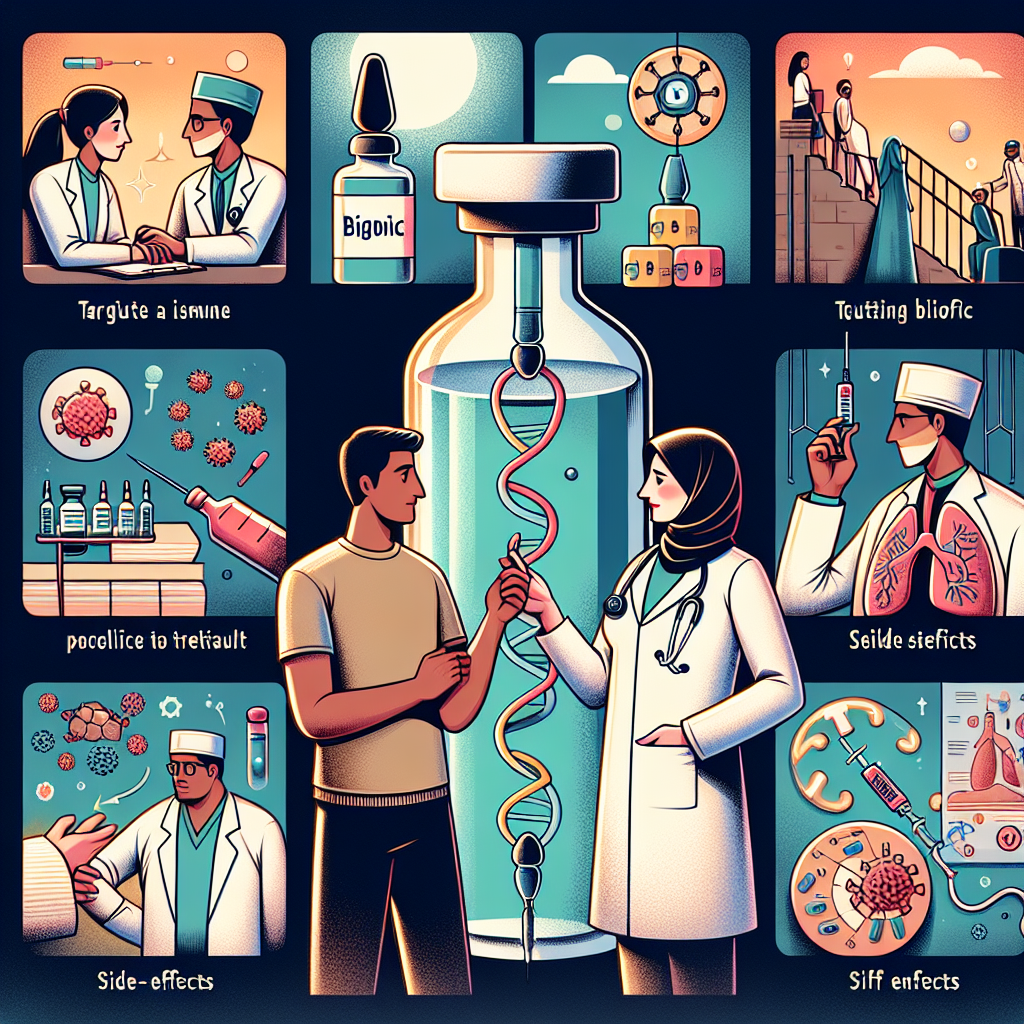
That moment when your gastroenterologist leans forward and says, “I think it’s time we consider a biologic,” can feel like standing at the edge of a cliff. Your heart might skip a beat. Your mind probably races with questions. If you’re living with Crohn’s disease and your current treatments aren’t giving you the relief you need, this conversation might be both the lifeline you’ve been hoping for and the source of new anxieties.
You’re not alone in feeling this way. Thousands of people in our community have stood exactly where you are now, wondering what this next step means for their health, their daily routine, and their future with IBD.
Summary of Original article
Biologic medications represent a different approach to treating Crohn’s disease compared to traditional therapies. Unlike conventional drugs that are chemically manufactured, biologics are created from living organisms and work by targeting specific parts of the immune system that cause inflammation in IBD.
These medications are typically considered when standard treatments like steroids or immunosuppressants haven’t provided adequate symptom control. Biologics can offer significant benefits including reduced symptoms, healing of the digestive tract, decreased steroid dependence, and potentially long-term remission for some patients.
However, biologics also carry risks. They can increase susceptibility to infections and may cause side effects such as infusion reactions or allergic responses. Regular monitoring through blood tests and medical follow-ups is essential while on these treatments.
There are several types of biologics available, including anti-TNF agents like infliximab (Remicade) and adalimumab (Humira), as well as medications that target other inflammatory pathways. Your doctor will select the most appropriate option based on your medical history, previous treatment responses, disease severity, and individual factors.
Most biologics aren’t available as oral medications—they’re administered either through IV infusions at medical facilities or as self-injections at home. Before starting treatment, patients undergo comprehensive screening for infections like tuberculosis and hepatitis, medication reviews to prevent interactions, and may need updated vaccinations.
This post summarizes reporting from Original article. Our analysis represents IBD Movement’s perspective and is intended to help patients understand how this news may affect them. Read the original article for complete details.
What This Means for the IBD Community
If you’re facing this decision, you’re actually in a position that many IBD patients before you would have envied. Twenty years ago, the options were much more limited, and many people suffered through years of ineffective treatments with little hope for better days ahead. The availability of biologics represents one of the most significant advances in IBD care in decades.
But let’s be honest about what this journey actually looks like. Starting a biologic isn’t just about the medical aspects—it’s about reimagining your relationship with your disease and your healthcare routine. If you choose an infusion therapy, you’ll be adding regular medical appointments to your schedule, possibly every 8 weeks for life. This might mean coordinating with work, arranging childcare, or planning around these sessions. Many patients find the infusion center becomes a familiar place, and some even develop friendships with other patients they see regularly.
For those who opt for self-injection biologics, there’s a different kind of adjustment. You’ll need to become comfortable with giving yourself shots, storing medication properly (often in your refrigerator), and managing the logistics of never running out. Some people find this empowering—taking control of their treatment in their own hands. Others find it anxiety-provoking, at least initially.
The emotional impact shouldn’t be underestimated either. Many patients describe a sense of grief when moving to biologics, feeling like they’re “giving up” on their body’s ability to manage the disease naturally. Others feel relief and hope that they’re finally getting the heavy-duty help they need. Both reactions are completely normal and valid.
From a practical standpoint, starting biologics often means more intensive monitoring than you might be used to. Regular blood work becomes part of your routine, and you’ll need to be more vigilant about preventing infections. This might mean being extra careful during flu season, avoiding live vaccines, or being more cautious around sick family members or coworkers.
The financial aspect is also significant for many families. Even with insurance, biologics can be expensive, and the cost can add stress to an already challenging situation. Most pharmaceutical companies offer patient assistance programs, but navigating these systems takes time and persistence. It’s worth having an honest conversation with your healthcare team about costs upfront—they’ve helped many patients work through these challenges.
One aspect that often surprises people is how biologics can change your relationship with your IBD symptoms. Many patients report that after starting biologics, they realize just how much pain and discomfort they had been accepting as “normal.” When inflammation truly begins to subside, the contrast can be startling. Some people describe it as “getting their life back” or “remembering what it feels like to be human again.”
Here are some questions worth discussing with your healthcare provider that go beyond the medical basics:
- How will this treatment fit into my work and family schedule?
- What support resources are available if I struggle with the practical aspects of treatment?
- How will we know if this biologic isn’t working, and what are our backup plans?
- Are there any lifestyle modifications that could enhance the effectiveness of this treatment?
- How might this treatment affect my mental health and quality of life?
- What happens if I want to become pregnant while on this medication?
The decision to start biologics also reflects a broader shift in IBD treatment philosophy. We’re moving away from simply managing flares toward preventing long-term complications and optimizing quality of life. Your doctor isn’t suggesting biologics because you’ve “failed” other treatments—they’re offering them because the goal posts have moved. We now know that achieving deep remission early can prevent irreversible damage to your intestines and improve your long-term outlook.
This represents what many experts call “treat to target” medicine—using the most effective treatments available to achieve specific, measurable goals rather than just symptom control. It’s a more aggressive approach, but it’s also more hopeful. The aim isn’t just to help you cope with your disease, but to put it into such deep remission that it barely affects your daily life.
The Bottom Line
Starting a biologic is undoubtedly a significant step, but it’s also a step toward taking fuller control of your IBD rather than letting it control you. While the decision can feel overwhelming, remember that your healthcare team has extensive experience guiding patients through this transition. They’ve seen countless people move from struggling with inadequately controlled disease to thriving on biologic therapy.
This isn’t about giving up or admitting defeat—it’s about embracing the most advanced tools we have available to help you live the fullest life possible with IBD. You deserve treatment that doesn’t just help you survive your disease, but helps you thrive despite it.
IBD Movement provides information for educational purposes only. This content is not intended to be a substitute for professional medical advice, diagnosis, or treatment. Always seek the advice of your physician or other qualified health provider with any questions you may have regarding a medical condition.
Related Posts

Beyond Diet: Why Comprehensive Care Is Essential for Managing Crohn’s Disease
April 17, 2026
AI Revolution in IBD Care: How Artificial Intelligence Could Transform Your Treatment Journey
April 16, 2026
JAK Inhibitors in Crohn’s Disease: Navigating Safety Concerns and Treatment Decisions
April 15, 2026