New Surgery Hope for Severe Crohn’s: The ‘Bowel-First’ Breakthrough
If you’re living with Crohn’s disease, you know that some days feel like an uphill battle against your own body. For those facing the most severe form—penetrating Crohn’s disease—the challenges can feel overwhelming. This type creates holes or abnormal connections in your intestines, leading to complications that traditional treatments struggle to address effectively.
But what if I told you there’s a surgical breakthrough that could change everything? A new approach that’s showing promise for safer procedures, shorter hospital stays, and better outcomes for the toughest cases. As someone who understands the weight of these medical decisions, I want to share some genuinely hopeful news that could transform how we think about surgical treatment for severe Crohn’s.
Summary of Safety and Feasibility of Bowel-First Surgical Approach for Penetrating Crohn’s Disease
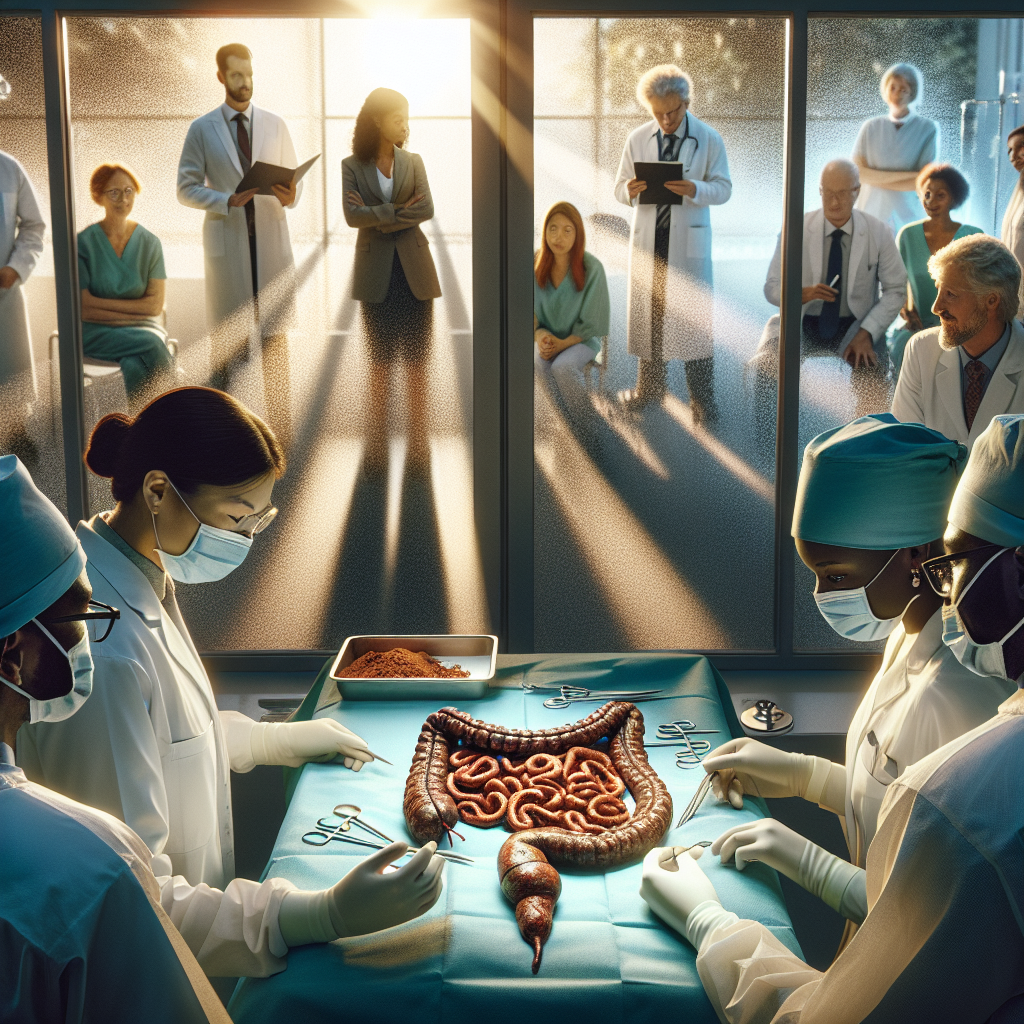
Researchers have been studying a revolutionary “bowel-first” surgical approach for penetrating Crohn’s disease. Unlike traditional surgery that treats infections and abscesses before addressing the diseased intestine, this new method prioritizes removing the affected bowel sections early in the procedure.
The multi-center study reviewed cases from several medical centers and found encouraging results. The bowel-first approach proved both safe and practical, with no increased risk of complications compared to standard surgery. Most patients avoided needing additional operations, and rates of post-surgical infections and major complications remained low. The approach also led to shorter hospital stays and reduced exposure to serious infections.
The study emphasized the importance of careful patient selection, skilled surgical teams, and meticulous technique. By quickly removing diseased bowel tissue, patients could progress faster to other necessary treatments like biologic medications.
This post summarizes reporting from Safety and Feasibility of Bowel-First Surgical Approach for Penetrating Crohn’s Disease. Our analysis represents IBD Movement’s perspective and is intended to help patients understand how this news may affect them. Read the original article for complete details.
What This Means for the IBD Community
As someone who’s spent years advocating for better IBD care, I can tell you that this research represents more than just a new surgical technique—it’s a paradigm shift that could fundamentally change the surgical experience for our community’s most vulnerable members.
Let’s be honest: when you’re facing penetrating Crohn’s disease, surgery often feels like choosing between bad and worse. The traditional approach, while necessary, often means multiple procedures, extended hospital stays, and the constant worry about complications. I’ve spoken with countless patients who describe the emotional toll of knowing they’ll need surgery, then more surgery, then possibly even more procedures down the line.
What makes this bowel-first approach so significant is that it challenges the medical establishment’s “play it safe” mentality that has often meant prolonged suffering for patients. Think about it—when you’re dealing with penetrating disease, every day that diseased tissue remains in your body is another day of potential complications, pain, and delayed healing.
The Psychological Impact We Can’t Ignore
Beyond the medical benefits, there’s something profound happening here that the research doesn’t fully capture: hope. When patients know their surgical approach is designed to get them healthy faster, with fewer repeat procedures, the psychological burden shifts dramatically.
I’ve seen how the fear of repeated surgeries can paralyze decision-making. Patients delay necessary procedures, hoping for improvement that never comes, while their condition worsens. This bowel-first approach offers a different narrative—one where surgery becomes a definitive step toward wellness rather than the beginning of a long, uncertain journey.
Questions to Discuss with Your Healthcare Team
If you or someone you love is facing penetrating Crohn’s disease, this research opens up important conversations with your medical team:
- Would I be a candidate for the bowel-first surgical approach?
- How does your surgical team’s experience with this method compare to traditional approaches?
- What specific benefits might I expect in terms of recovery time and complications?
- How would this approach affect my timeline for starting or resuming biologic treatments?
- What role would a multidisciplinary team play in my care?
The Broader Picture for IBD Treatment Evolution
This research fits into a larger trend I’ve been watching in IBD care—the movement toward more aggressive, definitive early interventions. We’re seeing this in medication strategies too, where the old “step-up” approach (starting with mild treatments and escalating) is giving way to “top-down” strategies that hit disease hard from the beginning.
The bowel-first surgical approach embodies this same philosophy. Instead of tiptoeing around the problem, treating symptoms and complications first, it goes straight to the source. This represents a maturation in our understanding of Crohn’s disease—that sometimes the kindest approach is the most direct one.
What This Means for Surgical Centers and Patient Choice
One practical implication that patients should consider is how this research might influence where they seek care. The study emphasizes the importance of experienced, multidisciplinary teams. This suggests that as the technique becomes more widely adopted, there may be significant differences in outcomes between centers that specialize in this approach and those that don’t.
For patients in rural or underserved areas, this could mean weighing the benefits of traveling to a specialized center against the convenience and support of local care. It’s a complex decision, but one that this research makes more relevant.
The Limitations We Need to Acknowledge
While I’m genuinely excited about these findings, it’s important to note that this was a retrospective study looking back at cases that had already occurred. The researchers themselves acknowledge that randomized controlled trials are needed to confirm these results. This means we’re still in the early stages of understanding the full potential and limitations of this approach.
Additionally, the study’s emphasis on careful patient selection suggests that not everyone with penetrating Crohn’s will be an ideal candidate. The art of medicine still involves matching the right treatment to the right patient at the right time.
Looking Ahead: What This Could Mean for Future Research
This research opens doors to several exciting questions that future studies might address. Could this approach be combined with newer biologic treatments for even better outcomes? Might there be ways to identify which patients will benefit most from the bowel-first method? How does this approach affect long-term disease course and quality of life measures?
These are the kinds of questions that keep me optimistic about the future of IBD care. Each breakthrough builds on the last, and each study brings us closer to truly personalized treatment approaches.
The bowel-first surgical approach represents hope backed by science—the best kind of medical news for our community. While we await larger trials to confirm these findings, this research offers both patients and physicians a reason to reconsider how we approach some of the most challenging cases of Crohn’s disease.
For those facing difficult surgical decisions, remember that medical progress often happens incrementally, and you’re living at a time when that progress is accelerating. The bowel-first approach may not be right for every situation, but knowing it exists expands your options and gives you more to discuss with your healthcare team.
IBD Movement provides information for educational purposes only. This content is not intended to be a substitute for professional medical advice, diagnosis, or treatment. Always seek the advice of your physician or other qualified health provider with any questions you may have regarding a medical condition.
Related Posts

Beyond Diet: Why Comprehensive Care Is Essential for Managing Crohn’s Disease
April 17, 2026
AI Revolution in IBD Care: How Artificial Intelligence Could Transform Your Treatment Journey
April 16, 2026
JAK Inhibitors in Crohn’s Disease: Navigating Safety Concerns and Treatment Decisions
April 15, 2026