Weight Gain with Crohn’s: You’re Not Alone in This Hidden Battle
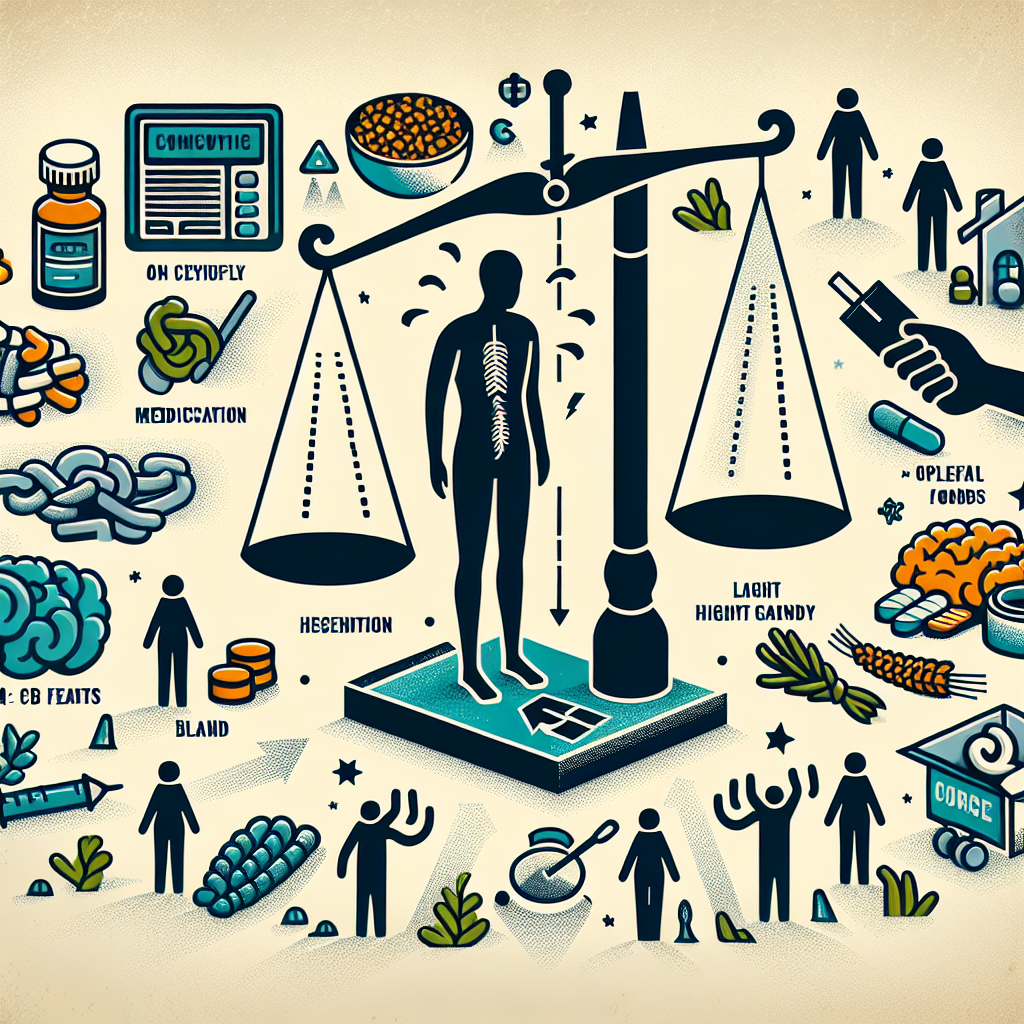
When you mention having Crohn’s disease, people often picture someone who’s lost significant weight—pale, thin, struggling to keep anything down. But what happens when your reality is the complete opposite? When the scale keeps climbing, and you’re left wondering if you’re the only one with IBD who’s fighting this particular battle?
If you’re experiencing weight gain with Crohn’s, you’re not alone, and you’re not imagining things. This less-discussed aspect of living with inflammatory bowel disease affects more people than you might think, yet it often leaves patients feeling isolated and misunderstood.
Summary of Does Crohn’s Disease Cause Weight Gain?
While Crohn’s disease is typically associated with weight loss due to nutrient malabsorption and decreased appetite, weight gain can indeed occur for several important reasons. Medications, particularly corticosteroids used during flares, are a primary culprit—increasing appetite while causing fluid retention and metabolic changes. Other IBD medications, including certain antidepressants, can also influence weight.
Lifestyle factors play a significant role too. During flares, physical activity often decreases due to fatigue and pain, while dietary choices may shift toward bland, high-carbohydrate comfort foods that are easier on the digestive system but calorie-dense. The natural weight regain that follows periods of illness-related weight loss can sometimes overshoot the target, and the emotional stress of living with a chronic condition can contribute to changes in eating patterns and self-care habits.
This post summarizes reporting from Does Crohn’s Disease Cause Weight Gain?. Our analysis represents IBD Movement’s perspective and is intended to help patients understand how this news may affect them. Read the original article for complete details.
What This Means for the IBD Community
This information shines a light on an experience that many in our community face but rarely discuss openly. Weight gain with Crohn’s carries a unique emotional burden—you’re dealing with a chronic illness that’s supposedly characterized by weight loss, yet you’re watching the numbers on the scale climb. This disconnect can lead to feelings of shame, confusion, and isolation.
From our perspective at IBD Movement, this issue highlights several critical aspects of living with IBD that deserve more attention:
The Medication Dilemma: Corticosteroids are often necessary during severe flares, but they come with significant side effects including increased appetite, fluid retention, and changes in fat distribution. This creates a challenging situation where the medication that’s helping control your inflammation is simultaneously contributing to weight gain. It’s a perfect example of how IBD treatment often involves managing trade-offs rather than simple solutions.
The Activity Paradox: Exercise is beneficial for overall health and weight management, but IBD symptoms often make physical activity challenging. During flares, even walking to the mailbox can feel exhausting. This creates a cycle where decreased activity contributes to weight gain, which can then impact self-esteem and motivation to become active again once symptoms improve.
Comfort Food Coping: When your digestive system is in revolt, it’s natural to gravitate toward foods that feel safe and soothing. Unfortunately, these often tend to be processed, high-carbohydrate options that may be easier on an inflamed gut but can contribute to weight gain over time. The psychological comfort these foods provide during difficult periods is real and valid, but it’s worth understanding the long-term implications.
Questions to Consider Discussing with Your Healthcare Team:
- Are there alternative medications to steroids for managing my flares that might have less impact on weight?
- What gentle forms of exercise are safe during different phases of my disease?
- Can you refer me to a registered dietitian who specializes in IBD for personalized nutrition guidance?
- How can we monitor and address medication-related weight gain without compromising disease management?
- What strategies exist for maintaining stable weight during periods of varying symptoms?
This issue also connects to broader trends we’re seeing in IBD care, particularly the growing recognition that the disease affects people very differently. The “typical” presentation taught in medical school—young, thin person with frequent diarrhea—doesn’t capture the full spectrum of how IBD manifests in real life. Some people have constipation instead of diarrhea, some maintain or gain weight, and symptoms can vary dramatically from person to person.
The Mental Health Connection: Living with chronic illness takes an enormous emotional toll, and the relationship between mental health and eating behaviors is complex. Stress, depression, and anxiety—all common among people with IBD—can significantly impact appetite, food choices, and motivation for self-care. When you add the potential shame around weight gain in a condition “supposed” to cause weight loss, the mental health implications multiply.
What’s particularly important about recognizing weight gain as a legitimate aspect of the Crohn’s experience is that it validates the struggles many patients face. Too often, people with IBD who gain weight feel like they’re “doing something wrong” or that their experience isn’t valid because it doesn’t match expectations. This couldn’t be further from the truth.
Practical Implications for Daily Life:
Understanding that weight gain can be part of the IBD journey opens up important conversations about holistic care. It means working with healthcare providers who understand that managing IBD isn’t just about controlling inflammation—it’s about supporting overall quality of life, which includes maintaining a healthy relationship with food and body image.
This also emphasizes the importance of having an IBD care team that includes specialists beyond just gastroenterologists. Registered dietitians who understand IBD, mental health professionals familiar with chronic illness, and even physical therapists who can help develop appropriate exercise programs all play crucial roles in comprehensive care.
Moving Forward with Compassion and Understanding
If you’re experiencing weight gain with Crohn’s, the most important thing to remember is that your experience is valid and you’re not alone. Your worth as a person isn’t determined by the number on the scale, and weight gain doesn’t mean you’re failing at managing your condition—it often means your body is responding to the complex interplay of disease, treatment, and the realities of living with a chronic illness.
The path forward involves working closely with healthcare providers who understand the full spectrum of IBD experiences, being patient with yourself as you navigate treatment adjustments, and recognizing that managing IBD is a long-term journey that will have ups and downs. Small, sustainable changes in partnership with your healthcare team are far more valuable than dramatic measures that might compromise your overall health or disease management.
IBD Movement provides information for educational purposes only. This content is not intended to be a substitute for professional medical advice, diagnosis, or treatment. Always seek the advice of your physician or other qualified health provider with any questions you may have regarding a medical condition.
Related Posts

Beyond Diet: Why Comprehensive Care Is Essential for Managing Crohn’s Disease
April 17, 2026
AI Revolution in IBD Care: How Artificial Intelligence Could Transform Your Treatment Journey
April 16, 2026
JAK Inhibitors in Crohn’s Disease: Navigating Safety Concerns and Treatment Decisions
April 15, 2026