The Mediterranean Diet for UC: Why This Matters for Your Journey
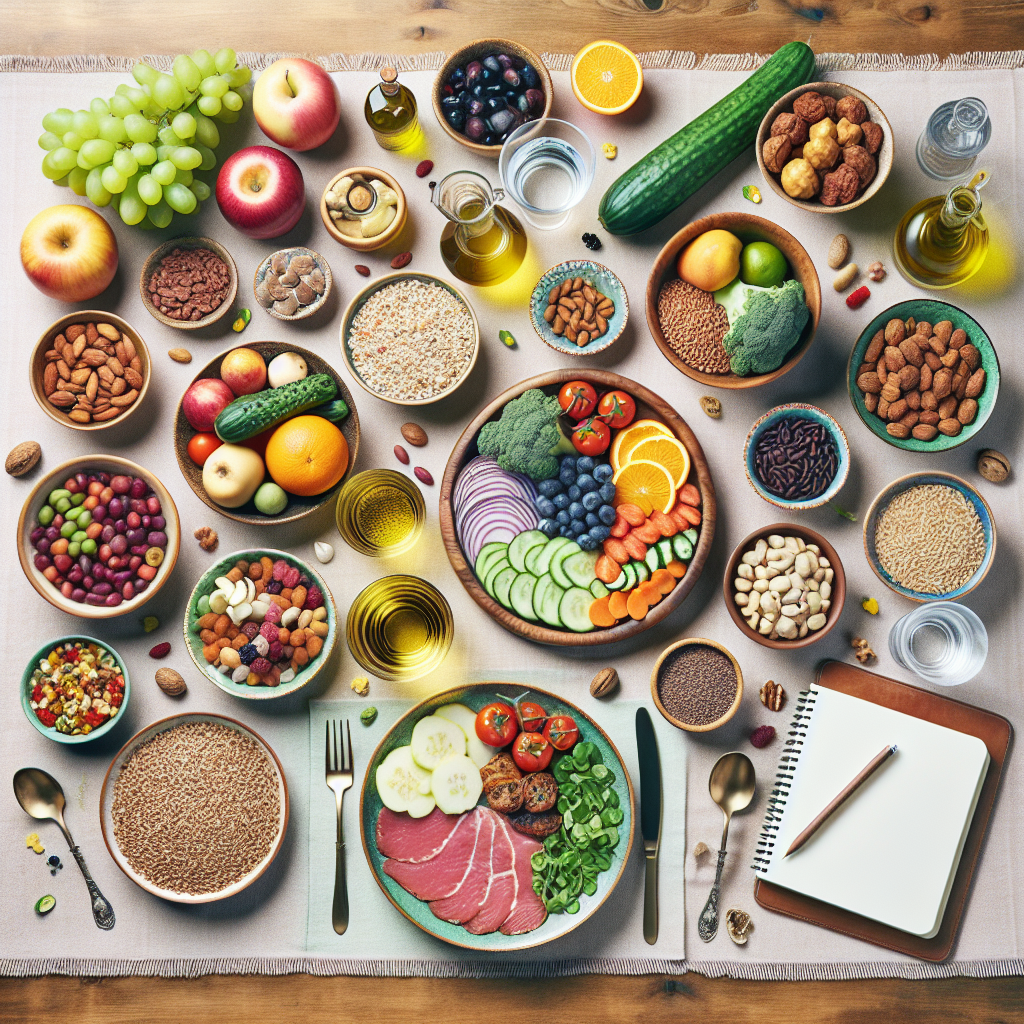
If you’re living with ulcerative colitis, you know that relationship with food can be complicated. One day, a meal that seemed perfectly safe can leave you rushing to the bathroom. The next, you might find yourself afraid to eat anything at all. It’s exhausting to live in constant uncertainty about something as basic as nourishment.
But what if there was a way to approach eating that could actually help reduce inflammation and support your gut health? What if meals could become less about fear and more about healing?
Summary of A Promising Eating Plan for Managing UC
New research is highlighting the potential benefits of a Mediterranean-Style Diet (MSD) for people with ulcerative colitis. Unlike traditional approaches that focus mainly on avoiding trigger foods, this eating pattern emphasizes adding anti-inflammatory, nutrient-dense foods to your plate.
The Mediterranean-Style Diet centers around whole foods: plenty of fruits, vegetables, whole grains, healthy fats like olive oil, lean proteins, legumes, and nuts. Research suggests these foods’ anti-inflammatory properties may be particularly beneficial for inflamed digestive tracts. The approach is flexible with fiber intake—encouraging higher fiber foods during stable periods to feed beneficial gut bacteria, while shifting to lower-fiber, easily digestible options during flares.
The eating plan also emphasizes structured routines, including smaller, more frequent meals to avoid overwhelming the digestive system. Staying well-hydrated and keeping a detailed food diary are recommended to help identify personal triggers and eating patterns that support remission.
This post summarizes reporting from A Promising Eating Plan for Managing UC. Our analysis represents IBD Movement’s perspective and is intended to help patients understand how this news may affect them. Read the original article for complete details.
What This Means for the IBD Community
This research represents a significant shift in how we think about nutrition and ulcerative colitis. For too long, the conversation has been dominated by restriction—what you can’t eat, what you should avoid, what might trigger symptoms. The Mediterranean approach flips this narrative, focusing instead on what you can add to support your health.
What makes this particularly exciting is how it acknowledges the reality of living with UC. The flexible approach to fiber is especially important. Many of us have been told to either embrace fiber completely or avoid it entirely, but UC doesn’t work in absolutes. Having a framework that adapts to your current symptom state feels much more realistic than rigid dietary rules.
The emphasis on smaller, more frequent meals also speaks to something many of us have discovered through trial and error. Large meals can feel overwhelming when your digestive system is already working overtime to manage inflammation. Breaking your nutrition into smaller, more manageable portions throughout the day can reduce the burden on your gut while ensuring you’re still getting adequate nutrition.
Practical Implications for Daily Life
If you’re considering this approach, think about how it might fit into your current routine. The Mediterranean diet isn’t dramatically different from generally healthy eating, which makes it more approachable than some specialized diets. You’re not eliminating entire food groups or buying expensive specialty products—you’re emphasizing foods that are widely available and, for many people, already familiar.
The food diary component deserves special attention. While it might seem tedious at first, tracking your meals alongside your symptoms can reveal patterns you might not otherwise notice. Perhaps you tolerate olive oil better than other fats, or maybe you feel better when you eat your largest meal earlier in the day. These insights become invaluable as you customize the approach to your unique needs.
However, it’s crucial to remember that timing matters with dietary changes. Starting a new eating plan during an active flare might not be ideal. Many people find it easier to implement changes during periods of remission when their digestive system is more stable and they can better assess how different foods affect them.
Questions to Discuss with Your Healthcare Team
Before making significant dietary changes, consider discussing these questions with your gastroenterologist or a registered dietitian who specializes in IBD:
- Given my current disease activity and medication regimen, is this an appropriate time to try dietary modifications?
- Are there specific Mediterranean diet components I should approach cautiously based on my individual symptom pattern?
- How should I modify this approach during flare periods versus remission?
- What signs should I watch for that indicate the diet is or isn’t working for me?
- How does this eating plan interact with my current medications or supplements?
These conversations are particularly important because UC affects everyone differently. What works beautifully for one person might not be suitable for another, and your healthcare team knows your specific medical history and current condition.
The Bigger Picture in UC Research
This focus on the Mediterranean diet reflects a broader trend in IBD research toward understanding the gut microbiome and the role of nutrition in managing inflammation. We’re moving beyond the old paradigm of food as merely fuel or potential trigger, toward recognizing food as medicine that can actively support healing.
The anti-inflammatory properties of Mediterranean diet staples aren’t just theoretical—they’re backed by growing research in both the general population and specifically in inflammatory bowel diseases. Olive oil contains compounds that may help reduce inflammatory markers. Omega-3 fatty acids from fish have been studied for their potential to support gut barrier function. Even the emphasis on colorful fruits and vegetables provides antioxidants that may help combat the oxidative stress associated with chronic inflammation.
What’s particularly encouraging is how this research validates what many people with UC have discovered intuitively: that gentle, whole foods often feel better than processed options, and that having a structured but flexible approach to eating can provide both physical and psychological benefits.
Managing Expectations and Building Hope
It’s important to approach this with realistic expectations. The Mediterranean diet isn’t a cure for UC, and it won’t replace your medications or regular medical care. But it might become a valuable tool in your overall management strategy—one that not only supports your physical health but also helps rebuild a positive relationship with food.
For many people with UC, meals can become sources of anxiety rather than nourishment and enjoyment. Having an eating framework that’s both evidence-based and flexible can help restore some confidence in your food choices. Instead of eating in fear, you can eat with intention.
The social aspects matter too. The Mediterranean diet emphasizes foods that are widely enjoyed and culturally familiar to many people. This can make social eating situations less complicated and help you feel less isolated in your food choices.
Remember that implementing this approach is likely to be a process, not an overnight transformation. You might start by incorporating more olive oil and fish, then gradually add more vegetables and whole grains as you see how your body responds. The key is patience with yourself and attention to your body’s signals.
This research offers something we all need more of: hope grounded in science. It suggests that thoughtful nutrition choices can be part of healing, not just symptom management. While we continue to wait for better treatments and ultimately a cure for UC, having evidence-based approaches to nutrition gives us something active and positive we can do for our health right now.
The journey with ulcerative colitis can feel long and uncertain, but research like this reminds us that we’re not powerless. With the right support, information, and approach, we can find ways to nourish our bodies that support both our physical health and our overall well-being.
IBD Movement provides information for educational purposes only. This content is not intended to be a substitute for professional medical advice, diagnosis, or treatment. Always seek the advice of your physician or other qualified health provider with any questions you may have regarding a medical condition.
Related Posts

Beyond Diet: Why Comprehensive Care Is Essential for Managing Crohn’s Disease
April 17, 2026
AI Revolution in IBD Care: How Artificial Intelligence Could Transform Your Treatment Journey
April 16, 2026
JAK Inhibitors in Crohn’s Disease: Navigating Safety Concerns and Treatment Decisions
April 15, 2026