Could This Overlooked Gut Bacteria Be a Game-Changer for IBD?
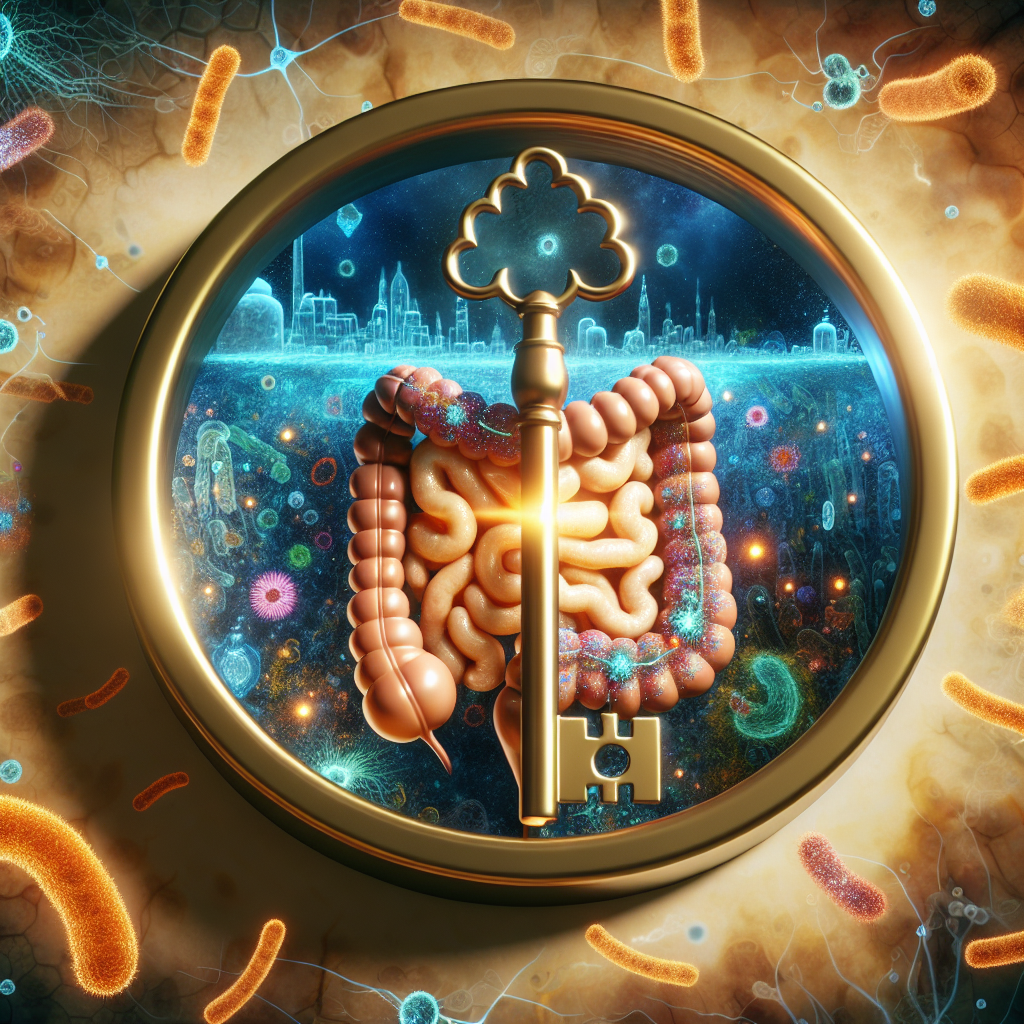
Living with IBD often feels like your gut has turned against you. But what if the answer to better digestive health has been quietly living inside you all along? What if one tiny bacterium, previously overlooked by researchers, could hold the key to strengthening your gut barrier and reducing the inflammation that makes daily life so challenging?
For those of us navigating Crohn’s disease or ulcerative colitis, news about gut bacteria discoveries always carries a spark of hope—and this latest research from Singapore might just be worth getting excited about.
Summary of Ruminococcus torques: A breakthrough in gut health
Scientists at Nanyang Technological University in Singapore have identified a specific gut bacterium called Ruminococcus torques that appears to play a powerful role in maintaining gut health. After analyzing stool samples and gut microbiome data from over 1,700 people across Asia, researchers found that people with healthier guts had significantly more of this particular bacterium.
Here’s what makes Ruminococcus torques special: it excels at breaking down complex carbohydrates from fiber-rich foods and producing short-chain fatty acids (SCFAs)—compounds that are essential for gut and immune system health. Most importantly for the IBD community, this bacterium helps strengthen the colon’s mucosal barrier, which serves as our first line of defense against harmful pathogens and inflammation.
The research team didn’t stop at observation—they successfully isolated this bacterium in the lab and confirmed through animal studies that supplementing with Ruminococcus torques led to improved gut integrity and a healthier balance of gut bacteria overall.
This post summarizes reporting from Ruminococcus torques: A breakthrough in gut health. Our analysis represents IBD Movement’s perspective and is intended to help patients understand how this news may affect them. Read the original article for complete details.
What This Means for the IBD Community
As someone who follows IBD research closely, I find this discovery particularly intriguing for several reasons that directly relate to our daily experiences with inflammatory bowel disease.
The Barrier Function Connection
One of the hallmarks of both Crohn’s disease and ulcerative colitis is a compromised intestinal barrier—often called “leaky gut” in popular discussions. When this protective lining is damaged, it allows harmful substances to pass through and trigger immune responses that fuel inflammation. The fact that Ruminococcus torques specifically strengthens this mucosal barrier could be significant for IBD management.
Think about it: many of our symptoms—from abdominal pain to frequent bathroom trips—stem from this barrier dysfunction and the inflammation it causes. A bacterium that naturally reinforces this protective layer could potentially help address one of the root mechanisms behind our condition.
The Fiber Paradox in IBD
Here’s where this research gets particularly interesting for our community. Many people with IBD have a complicated relationship with fiber. While high-fiber foods are generally promoted for gut health, they can trigger flares in some IBD patients, especially during active disease periods. Yet fiber feeds beneficial bacteria like Ruminococcus torques.
This research suggests that the key might not be avoiding fiber entirely, but rather cultivating the right bacteria to help us process it effectively. If Ruminococcus torques can be boosted through targeted interventions—whether through specific probiotics, prebiotics, or dietary approaches—it might help some IBD patients better tolerate fiber-rich foods that support overall gut health.
Beyond Symptom Management
What excites me most about this research is its focus on the underlying mechanisms of gut health rather than just symptom management. While we often focus on controlling inflammation after it starts, Ruminococcus torques appears to work preventatively by maintaining the gut barrier that helps prevent inflammatory cascades in the first place.
This aligns with the growing understanding that IBD isn’t just about immune system dysfunction—it’s about the complex interplay between our genetics, environment, immune system, and microbiome. Targeting specific beneficial bacteria like Ruminococcus torques could represent a more precise approach to supporting gut health.
Questions Worth Discussing with Your Healthcare Team
This research raises several questions that might be worth bringing up at your next appointment:
- Could testing your current levels of Ruminococcus torques provide insights into your gut health status?
- Are there specific dietary approaches that might naturally boost this bacterium?
- How might this research influence future probiotic recommendations for IBD patients?
- Could Ruminococcus torques supplementation be beneficial during remission to help maintain gut barrier function?
The Bigger Picture in IBD Research
This discovery fits into a broader trend in IBD research toward precision medicine and microbiome-targeted therapies. We’re moving beyond the one-size-fits-all approach to IBD treatment toward more personalized strategies that consider each patient’s unique gut ecosystem.
Recent years have brought us fecal microbiota transplantation (FMT) trials for IBD, increased focus on diet as medicine, and growing recognition that the microbiome plays a crucial role in disease development and progression. Research like this on Ruminococcus torques represents another piece of the puzzle in understanding how we might harness our gut bacteria for better health outcomes.
Realistic Expectations and Timeline
While this research is promising, it’s important to maintain realistic expectations about timeline and applications. The study was conducted primarily in Asian populations, so we’ll need to see if findings hold true across different ethnic groups and geographic regions. Additionally, moving from laboratory discoveries to clinical applications typically takes years of additional research and regulatory approval processes.
That said, the fact that researchers have successfully isolated this bacterium and demonstrated its benefits in controlled studies suggests this isn’t just theoretical—it’s moving toward practical applications.
The research represents hope for more targeted, effective approaches to supporting gut health in IBD. Rather than broadly trying to “fix” the microbiome, we’re getting closer to understanding exactly which bacteria matter most and how to support them specifically.
While we wait for Ruminococcus torques-based therapies to potentially become available, the research reinforces the importance of supporting our gut microbiome through the tools we have now: working with healthcare providers to optimize our current treatments, following personalized dietary approaches that work for our individual symptoms, and staying informed about emerging research that might influence future treatment options.
Most importantly, this research reminds us that our gut bacteria are allies in our health journey, not just passive bystanders. Every step we take to support a healthy microbiome—whether through stress management, appropriate medication adherence, or dietary choices that work for our unique situation—contributes to creating an environment where beneficial bacteria like Ruminococcus torques can thrive.
IBD Movement provides information for educational purposes only. This content is not intended to be a substitute for professional medical advice, diagnosis, or treatment. Always seek the advice of your physician or other qualified health provider with any questions you may have regarding a medical condition.
Related Posts

Beyond Diet: Why Comprehensive Care Is Essential for Managing Crohn’s Disease
April 17, 2026
AI Revolution in IBD Care: How Artificial Intelligence Could Transform Your Treatment Journey
April 16, 2026
JAK Inhibitors in Crohn’s Disease: Navigating Safety Concerns and Treatment Decisions
April 15, 2026