Thanksgiving With IBD: Reclaiming Holiday Joy One Bite at a Time
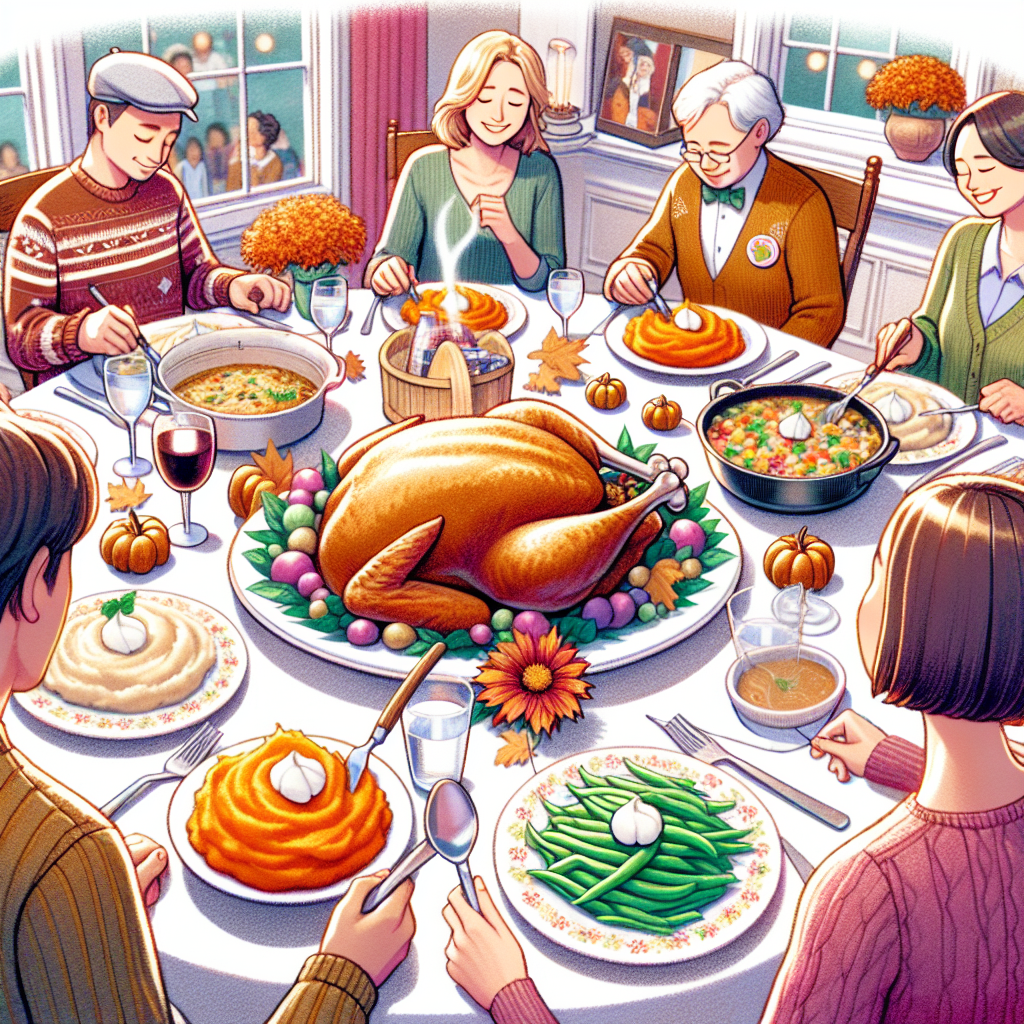
Picture this: It’s Thanksgiving morning, and while your family is bustling around the kitchen preparing the feast, you’re quietly calculating which dishes might send you straight to the bathroom. That familiar knot in your stomach isn’t from hunger—it’s anxiety. If this sounds like your holiday experience, you’re not alone. For those of us living with Crohn’s disease or ulcerative colitis, the most food-centered holiday of the year can feel more like a minefield than a celebration.
But what if I told you that Thanksgiving could actually become a source of comfort and joy again? What if, instead of dreading the dinner table, you could look forward to it? The key isn’t avoiding the holiday—it’s reclaiming it with thoughtful preparation and IBD-friendly adaptations that honor both tradition and your gut health.
Summary of IBD-Friendly Dishes for Your Thanksgiving Menu
Recent guidance from nutrition experts emphasizes that people with IBD don’t have to sacrifice flavor or tradition during Thanksgiving—they just need to make smart adaptations. The key insight is that IBD diets are highly individualized, meaning what triggers symptoms varies from person to person. However, common culprits during holiday meals include high-fat dishes, dairy-heavy sides, raw or high-fiber vegetables, and heavily spiced foods.
The recommended approach focuses on gentle cooking methods and ingredient swaps that maintain familiar flavors while being easier on sensitive digestive systems. Suggested modifications include preparing roasted turkey breast instead of the whole bird with skin, creating mashed sweet potatoes without heavy cream, and developing stuffing recipes that use sourdough bread with cooked vegetables while avoiding common triggers like raw onions and garlic.
For desserts, the guidance suggests alternatives like crustless pumpkin pie or applesauce-based cakes that can accommodate various dietary restrictions. Beyond recipes, the advice includes practical strategies for both hosts and guests, such as communicating dietary needs in advance, bringing your own safe dishes, and eating slowly to minimize digestive stress.
This post summarizes reporting from IBD-Friendly Dishes for Your Thanksgiving Menu. Our analysis represents IBD Movement’s perspective and is intended to help patients understand how this news may affect them. Read the original article for complete details.
What This Means for the IBD Community
This guidance represents something much deeper than just recipe modifications—it’s about reclaiming our place at the table, literally and figuratively. For too many of us in the IBD community, holidays have become exercises in social isolation and dietary deprivation. We’ve learned to smile and say “I’m fine” while watching everyone else enjoy foods that would leave us doubled over in pain.
What strikes me most about these recommendations is how they acknowledge the emotional weight of food restrictions during holidays. This isn’t just about nutrition; it’s about belonging, tradition, and the fundamental human need to share meals with loved ones. When we adapt recipes rather than avoid them entirely, we’re making a powerful statement: IBD doesn’t get to steal our holidays.
The emphasis on individualized approaches is particularly important for our community. If you’ve been living with IBD for any length of time, you’ve probably experienced the frustration of well-meaning advice that doesn’t work for your specific situation. One person’s safe food is another’s trigger, and these guidelines respect that reality. This personalized approach empowers us to become our own advocates, experimenting safely with modifications that work for our unique digestive systems.
From a practical standpoint, these suggestions address one of the biggest challenges IBD patients face during holidays: the social pressure around food. How many times have you been asked “Why aren’t you eating?” or “Just try a little bit?” Having IBD-friendly versions of traditional dishes means you can participate fully in the meal without lengthy explanations or uncomfortable conversations about your medical condition.
The communication strategies mentioned are equally valuable. Many of us struggle with how to discuss our dietary needs without making the entire gathering about our illness. The suggestion to offer bringing your own dishes transforms what could be an awkward conversation into a generous contribution to the feast. It shifts the narrative from “I can’t eat your food” to “Let me share something delicious with everyone.”
I’m particularly encouraged by the focus on gentle cooking methods and familiar flavors. Too often, “IBD-friendly” recipes taste like cardboard versions of the real thing, leaving us feeling like we’re missing out on one of life’s simple pleasures. These adaptations prove that accommodation doesn’t have to mean sacrifice—it can mean creativity and innovation that benefits everyone at the table.
The psychological impact of these strategies cannot be understated. When you’re living with a chronic illness that affects such a basic human need as eating, food anxiety can become overwhelming. Having a concrete plan for navigating holiday meals can significantly reduce that pre-gathering stress that so many of us experience. Instead of spending the week before Thanksgiving worrying about symptoms, we can focus on gratitude and connection.
For caregivers and family members reading this, these guidelines offer a roadmap for inclusion. If someone you love has IBD, offering to modify traditional recipes or asking what accommodations would help shows tremendous support. The simple act of considering how to make holiday meals more accessible can strengthen family bonds and create new traditions that work for everyone.
It’s also worth noting how these strategies can benefit the broader family gathering. Many of the suggested modifications—like reducing heavy fats and focusing on gentler seasonings—create healthier versions of traditional dishes that everyone can enjoy. Your IBD-friendly contributions might just become the new family favorites.
From a healthcare perspective, this guidance reinforces the importance of proactive management during potentially stressful times. Rather than white-knuckling through the holidays and dealing with flares afterward, these strategies encourage us to plan ahead and prioritize our digestive health alongside our social connections.
Questions to Consider Discussing with Your Healthcare Team
As you prepare for holiday gatherings, consider discussing these topics with your gastroenterologist or dietitian:
- Should you temporarily adjust your medication timing around large meals or travel?
- Which specific ingredients from traditional holiday foods are most likely to trigger your individual symptoms?
- How can you modify your regular eating schedule to accommodate holiday meal timing?
- What warning signs should prompt you to excuse yourself from the table or seek medical attention?
- Are there any new foods you’d like to try that require medical guidance given your current treatment plan?
The beauty of this approach is that it transforms Thanksgiving from a day we endure into a day we can genuinely enjoy. When we take control of our holiday experience through thoughtful preparation and adaptation, we’re not letting IBD define our celebrations—we’re defining them ourselves.
This guidance also highlights an important shift in how we think about IBD management. Rather than viewing our condition as something that limits our lives, we can see it as something that requires creativity and intention. The process of adapting recipes and planning safe meals can actually become a meaningful way to show love for ourselves and our families.
For those who are newly diagnosed or still figuring out their trigger foods, this holiday season presents an opportunity for gentle experimentation in a supportive environment. Working with modified versions of familiar dishes can help you identify what works for your system while still participating in cherished traditions.
The ripple effects of successful holiday management extend far beyond a single meal. When we prove to ourselves that we can navigate challenging food situations, it builds confidence for other social eating scenarios throughout the year. Each positive experience becomes a building block for a more normal, joy-filled relationship with food and social gatherings.
Perhaps most importantly, these strategies remind us that having IBD doesn’t make us broken or less worthy of celebration. We deserve to sit at the table with our loved ones, to taste delicious food, and to create happy memories around shared meals. With the right preparation and mindset, Thanksgiving can become a source of genuine gratitude—including gratitude for our resilience and our ability to adapt while still honoring what matters most.
This Thanksgiving, instead of focusing on what you can’t eat, celebrate what you can create. Every IBD-friendly dish you prepare is an act of self-care and a gift to your future self. You’re proving that chronic illness doesn’t have to mean chronic limitation—it can mean chronic creativity, chronic adaptation, and chronic celebration of the life you’re living right now.
IBD Movement provides information for educational purposes only. This content is not intended to be a substitute for professional medical advice, diagnosis, or treatment. Always seek the advice of your physician or other qualified health provider with any questions you may have regarding a medical condition.
Related Posts

Beyond Diet: Why Comprehensive Care Is Essential for Managing Crohn’s Disease
April 17, 2026
AI Revolution in IBD Care: How Artificial Intelligence Could Transform Your Treatment Journey
April 16, 2026
JAK Inhibitors in Crohn’s Disease: Navigating Safety Concerns and Treatment Decisions
April 15, 2026