Cannabis and Crohn’s: New Study Reveals Unexpected Risks
When you’re living with Crohn’s disease, the search for relief can feel endless. Between flares, medications that don’t quite work, and the constant uncertainty of how you’ll feel tomorrow, it’s natural to explore every possible option. Cannabis has emerged as one of those options that many in our community have turned to, hoping for better symptom management when traditional treatments fall short.
The appeal is understandable—who wouldn’t want a more natural approach to managing pain, inflammation, and the digestive turmoil that comes with Crohn’s? But a new study is challenging what we thought we knew about cannabis and IBD, revealing some findings that deserve our careful attention.
Summary of Original Article
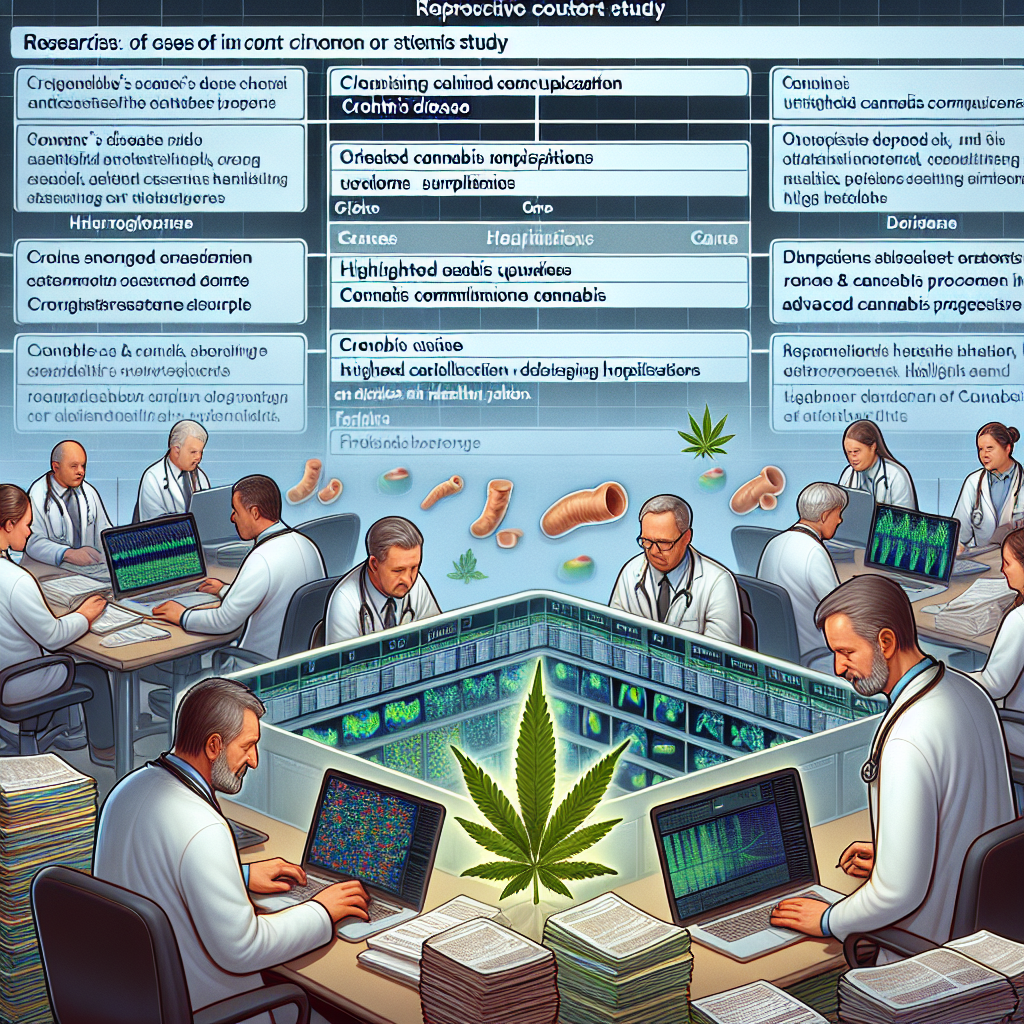
Researchers conducted a comprehensive retrospective study examining over 4,000 adults diagnosed with Crohn’s disease, comparing health outcomes between cannabis users and non-users. Using medical records from a large healthcare database, they tracked various complications and treatment needs over time.
The study revealed that Crohn’s patients who used cannabis experienced significantly higher rates of disease-related complications. Specifically, cannabis users were more likely to require hospitalization, need surgical interventions, and experience disease flares. They also showed increased likelihood of requiring treatment with immunosuppressive medications or biologic therapies.
The researchers suggest that cannabis may mask underlying disease activity rather than actually treating inflammation. While patients might feel symptom relief, the disease itself could potentially progress unchecked, leading to more serious long-term complications.
This post summarizes reporting from Original Article. Our analysis represents IBD Movement’s perspective and is intended to help patients understand how this news may affect them. Read the original article for complete details.
What This Means for the IBD Community
This study hits at something many of us have wondered about but haven’t had solid data to consider: Could something that makes us feel better in the moment actually be working against us in the long run? The implications here are complex and deeply personal for anyone who has found relief through cannabis use.
First, let’s acknowledge the reality many face: when you’re in the middle of a flare, when traditional medications aren’t providing adequate relief, or when side effects from prescription drugs are overwhelming, cannabis can feel like a godsend. The fact that it might provide symptomatic relief while potentially allowing disease progression creates a genuinely difficult dilemma.
What’s particularly concerning about these findings is the concept of “masking” disease activity. Those of us with Crohn’s know how important it is to stay connected to what our bodies are telling us. We’ve learned to recognize subtle changes that might signal a brewing flare or indicate that our current treatment isn’t working as well as it should. If cannabis is providing symptomatic relief while inflammation continues unchecked, we might miss crucial warning signs.
This study also raises important questions about how we measure treatment success in IBD. Feeling better day-to-day is incredibly important for quality of life, but if that relief comes at the cost of disease progression, we need to weigh these factors carefully. The increased rates of hospitalization, surgery, and need for more intensive medications among cannabis users suggest that symptomatic improvement might not be telling the whole story.
For those currently using cannabis as part of their Crohn’s management, this doesn’t necessarily mean you should stop immediately. But it does mean having honest conversations with your healthcare team becomes even more critical. Your doctor needs to know about all treatments you’re using—including cannabis—so they can monitor your disease activity more closely and watch for signs of progression.
The study’s findings also highlight the importance of objective measures of disease activity, not just how we feel day-to-day. Regular monitoring through blood tests, imaging studies, and endoscopic procedures becomes even more crucial if you’re using cannabis, as these tools can detect inflammation that might otherwise be masked by symptom relief.
From a broader perspective, this research underscores how much we still don’t understand about complementary and alternative treatments for IBD. While the desire to find more natural or gentler approaches is completely understandable, we need robust scientific evidence to guide these decisions. This study represents an important step in that direction, even if the findings are disappointing for those hoping cannabis would prove to be the natural solution many believed it to be.
It’s also worth noting that this study looked at cannabis use generally, without distinguishing between different products, dosages, or methods of consumption. The cannabis landscape is incredibly diverse, with varying concentrations of THC, CBD, and other compounds. Future research might reveal that certain formulations or usage patterns are safer than others, but for now, we’re working with broad categories.
Questions to Discuss with Your Healthcare Team
If you’re currently using or considering cannabis for Crohn’s management, here are some important questions to bring up with your doctor:
- How can we monitor my disease activity more closely if I choose to continue using cannabis?
- What objective measures should we track to ensure my Crohn’s isn’t progressing despite symptom relief?
- Are there alternative approaches for managing my specific symptoms that don’t carry these potential risks?
- How often should I have imaging or endoscopic procedures if I’m using cannabis regularly?
- What warning signs should I watch for that might indicate disease progression?
These conversations might feel uncomfortable, especially if you’ve found real relief through cannabis use, but they’re essential for making informed decisions about your health. Remember that your healthcare team’s goal is the same as yours: keeping you as healthy as possible for the long term.
This study also reminds us of the importance of staying engaged with the broader IBD research community. As new treatments and therapies continue to emerge, we need solid scientific evidence to evaluate their true benefits and risks. What feels right or works in the short term might not always be the best choice for our long-term health outcomes.
For many in our community, this news might feel discouraging, especially if cannabis has been providing much-needed relief. It’s important to remember that this is just one study, and research in this area is still evolving. However, it’s significant enough that we should take the findings seriously and use them to inform our treatment decisions moving forward.
The reality is that managing Crohn’s disease often involves difficult tradeoffs and complex decisions. This study adds another layer of complexity to those decisions, but it also provides valuable information that can help us make more informed choices about our care. The goal isn’t to take away options that provide relief, but to ensure we’re making decisions with as complete a picture as possible.
As we navigate these findings, it’s crucial to maintain open communication with our healthcare providers and to stay informed about ongoing research. The landscape of IBD treatment continues to evolve, and staying engaged with the latest evidence helps us make the best possible decisions for our individual situations.
While this study raises important concerns about cannabis use in Crohn’s disease, it doesn’t have to mean losing hope for symptom relief. Instead, it emphasizes the importance of comprehensive, medically supervised approaches to IBD management that prioritize both immediate quality of life and long-term disease outcomes.
The journey with Crohn’s is rarely straightforward, and this research reminds us why working closely with experienced IBD specialists remains so important. They can help us navigate these complex treatment decisions and ensure we’re considering all available options while prioritizing our long-term health and well-being.
Ultimately, this study serves as a reminder that in the world of chronic illness management, what seems like a simple solution often turns out to be more complicated than we initially hoped. But that complexity doesn’t mean we’re without options—it just means we need to approach our treatment decisions thoughtfully and with the best available evidence to guide us.
If you’ve been using cannabis and are concerned about these findings, don’t make any sudden changes without talking to your doctor first. Abrupt changes to any treatment regimen can sometimes cause more problems than they solve. Instead, use this information as a starting point for deeper conversations about your overall treatment strategy and long-term health goals.
This research also highlights the importance of continued investment in IBD research. The more we understand about how different treatments affect disease progression, the better equipped we’ll be to make informed decisions that balance symptom relief with long-term outcomes. Supporting research efforts and participating in clinical trials when appropriate helps build the evidence base that benefits our entire community.
While these findings might feel overwhelming, they represent progress in our understanding of IBD management. Even when research reveals uncomfortable truths about treatments we’ve turned to for relief, that knowledge ultimately serves our best interests by helping us make more informed decisions about our health.
Remember that every person’s experience with Crohn’s is unique, and what works best for one person might not be the right choice for another. This study provides important population-level data, but your individual treatment decisions should always be made in partnership with your healthcare team, taking into account your specific symptoms, disease activity, treatment history, and personal preferences.
The key takeaway isn’t that cannabis is universally harmful for people with Crohn’s, but rather that we need to approach its use with greater caution and closer medical supervision than we might have previously thought necessary. This more nuanced understanding can actually lead to better outcomes by ensuring we’re monitoring for potential complications while still addressing the very real need for symptom relief.
As we process this information, it’s worth remembering that the IBD research landscape continues to evolve rapidly. New treatments, better diagnostic tools, and improved understanding of disease mechanisms are constantly emerging. While this particular study raises concerns about one approach many have turned to, it doesn’t diminish the overall trajectory of progress in IBD care.
The most important thing is to stay engaged with your healthcare team, remain informed about new research developments, and continue advocating for your own health and well-being. This study provides valuable information to inform those efforts, even if it’s not the news many in our community were hoping to hear.
For those who have found cannabis helpful for managing Crohn’s symptoms, this research doesn’t necessarily mean abandoning that approach entirely. Instead, it suggests the need for more careful monitoring, closer collaboration with healthcare providers, and perhaps more frequent objective assessments of disease activity. The goal is finding the right balance between symptom management and long-term health outcomes.
This study also emphasizes why it’s so important to have comprehensive IBD care teams that include gastroenterologists familiar with the latest research. These specialists can help interpret new findings like this study and translate them into practical recommendations for individual patients. They can also help coordinate care when multiple treatments or approaches are being used simultaneously.
As we move forward with this new information, it’s crucial to remember that managing Crohn’s disease effectively often requires a multifaceted approach. No single treatment—whether traditional medication, cannabis, dietary changes, or other interventions—is likely to address all aspects of the disease. The most successful management strategies typically involve combinations of approaches, carefully coordinated and monitored by experienced healthcare providers.
This research reminds us that even well-intentioned treatments can have unintended consequences, and that’s why rigorous scientific study of all our treatment options is so important. While the findings might be disappointing for some, they represent exactly the kind of evidence-based information we need to make the best possible decisions about our health.
The bottom line is that this study provides important new information that should inform our treatment decisions, but it doesn’t eliminate options or close doors. Instead, it helps us understand how to approach cannabis use more thoughtfully if we choose to include it in our treatment regimen. With proper monitoring and medical supervision, it may still be possible to balance symptom relief with long-term disease management goals.
What’s most important is maintaining open, honest communication with our healthcare providers about all the treatments we’re using or considering. This study underscores why that transparency is so crucial—our doctors can only help us make the best decisions when they have complete information about our treatment approaches and can monitor for both benefits and potential risks.
As members of the IBD community, we’ve learned to be advocates for our own health while also supporting one another through the challenges of chronic illness. This study gives us new information to work with in that ongoing advocacy, helping us ask better questions and make more informed decisions about our care. While the findings might be concerning, having this knowledge ultimately serves our best interests by helping us approach treatment decisions more thoughtfully and comprehensively.
The journey with Crohn’s continues to teach us that there are rarely simple answers to complex questions about treatment and management. This study adds to our understanding while reminding us of the importance of staying curious, staying informed, and staying connected with both our healthcare providers and our broader community as we navigate these ongoing challenges together.
IBD Movement provides information for educational purposes only. This content is not intended to be a substitute for professional medical advice, diagnosis, or treatment. Always seek the advice of your physician or other qualified health provider with any questions you may have regarding a medical condition.
Related Posts

Beyond Diet: Why Comprehensive Care Is Essential for Managing Crohn’s Disease
April 17, 2026
AI Revolution in IBD Care: How Artificial Intelligence Could Transform Your Treatment Journey
April 16, 2026
JAK Inhibitors in Crohn’s Disease: Navigating Safety Concerns and Treatment Decisions
April 15, 2026