Early Crohn’s Treatment Could Transform Your Disease Journey
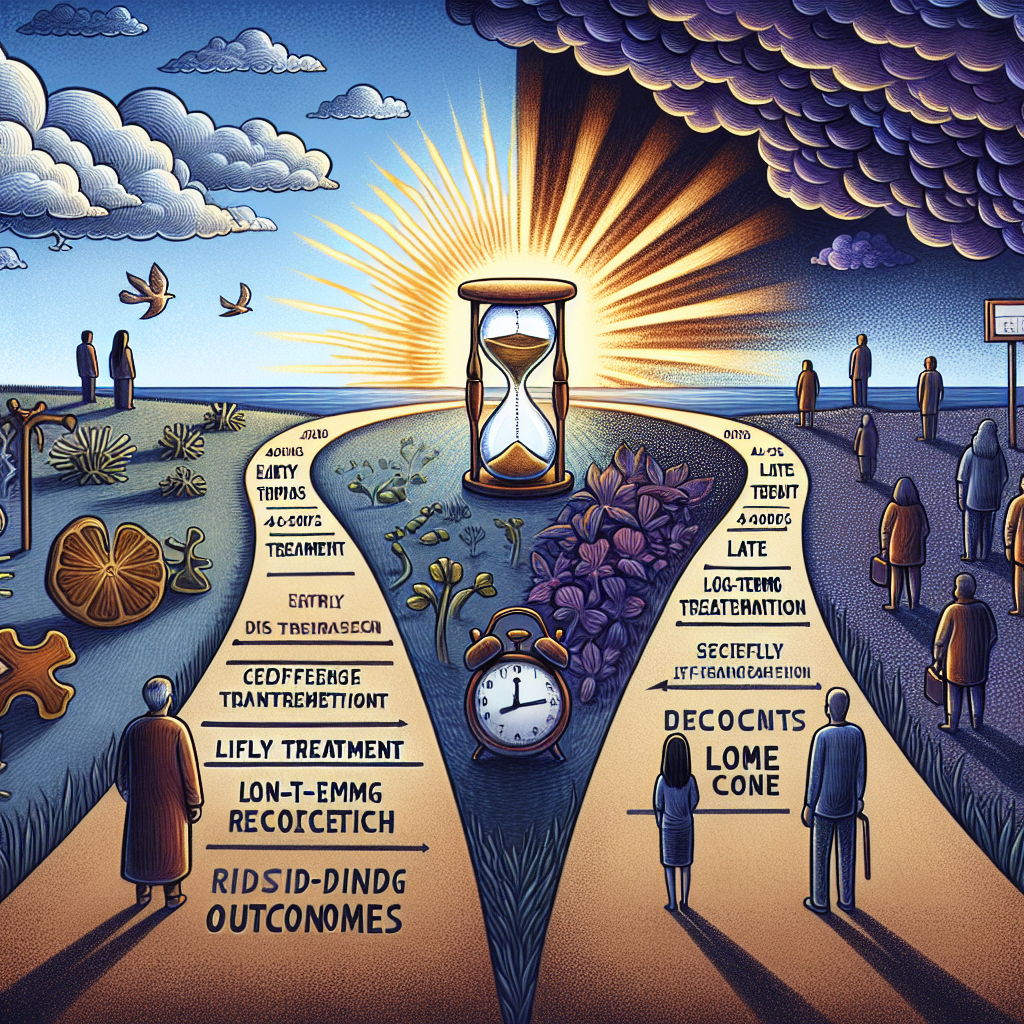
If you’ve been diagnosed with Crohn’s disease, you’ve probably heard the phrase “wait and see” more times than you’d like. Maybe your doctor started you on milder medications first, or suggested monitoring your symptoms before moving to stronger treatments. While this cautious approach feels safe, new research is challenging whether waiting is actually the best strategy for your long-term health.
The timing of when you start treatment might be one of the most important decisions in your Crohn’s journey—and the window for optimal intervention might be smaller than many of us realize.
Summary of https://www.hcplive.com/view/early-vs-late-treatment-of-crohn-s-disease-love-cd-study
The LOVE-CD study examined whether starting biologic medications early in a Crohn’s diagnosis leads to better outcomes than the traditional approach of trying milder treatments first. Researchers defined “early treatment” as starting biologics within 18 months of diagnosis, compared to “late treatment” which occurred after this window or only after conventional therapies failed.
The multicenter, randomized trial tracked patients with both recent and established Crohn’s diagnoses to compare how different treatment timelines affected their disease progression. Results showed that patients receiving early intensive treatment experienced significantly better disease control, fewer flare-ups, reduced hospitalizations, and less long-term bowel damage. Quality of life scores also improved markedly for those treated earlier.
The study addressed safety concerns about early biologic use, finding that the potential benefits outweighed the risks for selected patients. Researchers concluded that shifting toward earlier, targeted treatment could reduce both the physical and emotional burden of Crohn’s disease.
This post summarizes reporting from https://www.hcplive.com/view/early-vs-late-treatment-of-crohn-s-disease-love-cd-study. Our analysis represents IBD Movement’s perspective and is intended to help patients understand how this news may affect them. Read the original article for complete details.
What This Means for the IBD Community
This research represents a potential paradigm shift that could fundamentally change how we approach newly diagnosed Crohn’s disease. For years, the IBD community has operated under a “step-up” approach—start with gentler medications and escalate only when necessary. The LOVE-CD study suggests we might need to flip this thinking entirely.
If you’re newly diagnosed: This study provides compelling evidence to have an honest conversation with your gastroenterologist about whether early biologic therapy might be right for you. The 18-month window identified in the research suggests there may be a critical period where intervention is most effective. Don’t be afraid to ask direct questions: “Am I a candidate for early biologic treatment? What are the specific risks and benefits for my situation? How might starting treatment now versus waiting affect my long-term prognosis?”
For those living with established Crohn’s: While this study focused on early intervention, it doesn’t mean hope is lost if you’re past that initial window. However, it does reinforce the importance of aggressive management whenever you and your doctor decide to escalate treatment. The principles of close monitoring and personalized care apply regardless of how long you’ve been living with Crohn’s.
The practical reality: Early biologic treatment isn’t just a medical decision—it’s a financial and lifestyle one. Biologics are expensive, require regular monitoring, and come with their own set of considerations around infections and other side effects. This research suggests that for many patients, these short-term challenges may prevent much more significant long-term complications.
What strikes me most about this study is how it validates what many in our community have suspected: that Crohn’s disease is most vulnerable to intervention early in its course. Think of it like a fire—it’s much easier to extinguish when it’s small than after it’s had time to spread and cause structural damage.
Questions to discuss with your healthcare team:
- Based on my specific disease characteristics, am I a candidate for early intensive treatment?
- What biomarkers or imaging findings suggest I might benefit from early biologic therapy?
- How do we balance the risks of early biologics against the risk of disease progression?
- What does “close monitoring” look like in practical terms for my lifestyle?
- How might insurance considerations affect the timing of treatment decisions?
This research also highlights the critical importance of finding a gastroenterologist who stays current with evolving treatment paradigms. If your doctor seems hesitant to consider early aggressive treatment without clear medical reasons, it may be worth seeking a second opinion, especially if you’re within that crucial first 18 months after diagnosis.
The broader implications: The LOVE-CD study reflects a larger trend in IBD care toward precision medicine and personalized treatment approaches. We’re moving away from one-size-fits-all protocols toward strategies that consider individual risk factors, genetic markers, and disease characteristics. This evolution in thinking gives me hope that we’re entering an era where IBD treatment becomes increasingly effective and tailored to each person’s unique situation.
For caregivers and family members, this research underscores the importance of being proactive advocates during those crucial early months after diagnosis. The decisions made in that initial period may have lasting implications for your loved one’s quality of life and long-term health outcomes.
The study’s focus on quality of life metrics is particularly meaningful for our community. It’s not just about lab values or inflammation markers—it’s about whether people can work, travel, exercise, and live the lives they want to live. The fact that early treatment led to measurable improvements in these real-world outcomes should give all of us encouragement.
While we celebrate these promising findings, it’s important to remember that not everyone will be a candidate for early intensive treatment. Factors like age, other health conditions, access to care, and personal preferences all play important roles in treatment decisions. The key is ensuring these decisions are made with the most current evidence available.
The LOVE-CD study represents hope for a future where a Crohn’s diagnosis doesn’t have to mean a lifetime of escalating symptoms and complications. It suggests that with the right treatment at the right time, we might be able to change the entire trajectory of this disease. That’s incredibly powerful and gives me optimism for everyone in our community, whether newly diagnosed or living with IBD for years.
For those feeling overwhelmed by treatment decisions, remember that you don’t have to navigate this alone. Connect with patient advocacy groups, seek multiple medical opinions when appropriate, and don’t hesitate to ask detailed questions about how emerging research like the LOVE-CD study might apply to your specific situation.
This research reminds us that in IBD care, timing truly can be everything. The window of opportunity for optimal intervention may be narrower than we previously understood, but it also may be more impactful than we dared to hope. That’s reason for both urgency and optimism as we work with our healthcare teams to make the best decisions for our individual circumstances.
IBD Movement provides information for educational purposes only. This content is not intended to be a substitute for professional medical advice, diagnosis, or treatment. Always seek the advice of your physician or other qualified health provider with any questions you may have regarding a medical condition.
Related Posts

Beyond Diet: Why Comprehensive Care Is Essential for Managing Crohn’s Disease
April 17, 2026
AI Revolution in IBD Care: How Artificial Intelligence Could Transform Your Treatment Journey
April 16, 2026
JAK Inhibitors in Crohn’s Disease: Navigating Safety Concerns and Treatment Decisions
April 15, 2026