New IBD Diet Research Brings Hope After Years of Confusion
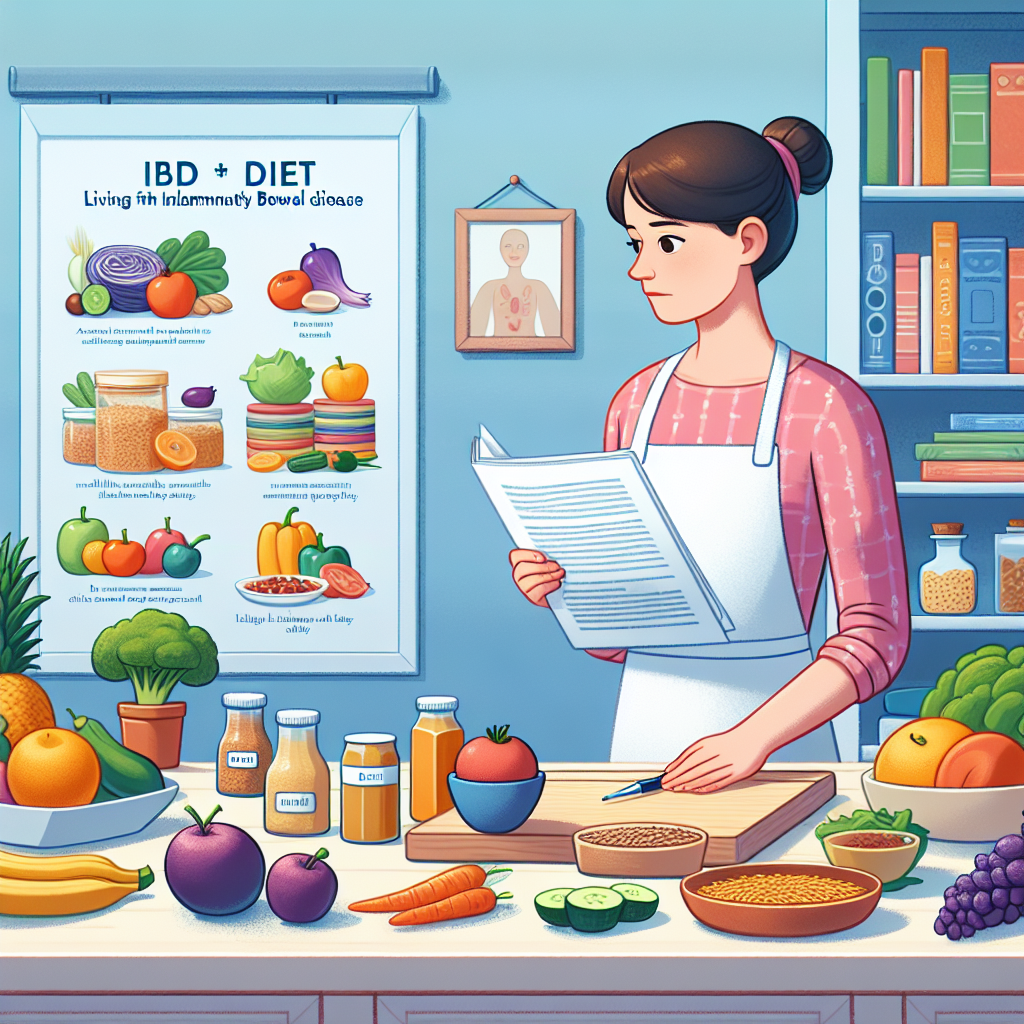
If you’ve ever stood in your kitchen, staring at your pantry with a mix of hunger and anxiety, wondering if tonight’s dinner will trigger a flare—you’re not alone. For those of us in the IBD community, the relationship with food often feels like walking through a minefield blindfolded. Every meal becomes a calculated risk, every grocery trip a research expedition. But what if I told you that the latest research is finally offering some clarity in this confusing landscape?
After years of hearing “diet doesn’t really matter” or “just avoid what bothers you,” the scientific community is beginning to acknowledge what many of us have suspected all along: what we eat plays a significant role in our IBD journey.
Summary of What You Eat Matters in IBD
New research is providing concrete evidence that dietary choices significantly impact IBD symptoms and disease progression. The study reveals that Western diets high in ultra-processed foods, sugar, and animal fats are linked to increased gut inflammation and higher risk of flare-ups. In contrast, diets rich in fruits, vegetables, whole grains, and healthy fats may help reduce inflammation and promote healing.
The research emphasizes that individualized approaches are crucial—there’s no one-size-fits-all IBD diet. Instead, the focus is shifting toward empowering patients with knowledge about food quality and helping them identify their unique triggers. Medical professionals are being encouraged to have more open conversations with IBD patients about dietary choices, moving away from blanket restrictions toward flexible, supportive dietary frameworks.
The study also confirms that while diet isn’t a cure for IBD, it can be a powerful tool for improving quality of life and potentially reducing the need for more intensive medical interventions.
This post summarizes reporting from What You Eat Matters in IBD. Our analysis represents IBD Movement’s perspective and is intended to help patients understand how this news may affect them. Read the original article for complete details.
What This Means for the IBD Community
This research represents a pivotal moment in IBD care—one that validates what many patients have been experiencing and advocating for years. For too long, we’ve been caught in a frustrating cycle where our lived experiences with food didn’t align with medical guidance. When you know that certain foods consistently trigger symptoms, but your doctor says “diet doesn’t matter,” it creates a disconnect that can leave you feeling unheard and unsupported.
The shift toward acknowledging diet’s role in IBD management is more than just scientific progress—it’s a recognition of patient expertise. We’ve been the researchers in our own kitchens, conducting daily experiments with our bodies as the laboratory. This new evidence doesn’t just validate our experiences; it provides a foundation for more collaborative, patient-centered care.
Practical Implications for Daily Life
What does this mean for your next grocery shopping trip or meal planning session? First, it provides scientific backing for paying attention to food quality rather than just avoiding “bad” foods. The research highlighting the inflammatory potential of ultra-processed foods gives us concrete guidance: that frozen dinner loaded with preservatives and additives isn’t just convenient—it might be actively working against your gut health.
This doesn’t mean you need to overhaul your entire diet overnight or achieve Instagram-worthy meal prep perfection. Instead, consider this research as permission to make gradual, sustainable changes. Maybe it’s choosing whole grain bread over white bread, adding more colorful vegetables to your plate, or reading ingredient labels more carefully. Small, consistent changes often prove more sustainable than dramatic dietary overhauls.
The emphasis on individualization is particularly important for our community. We’ve all met someone who swears by a specific diet that made them feel terrible, or found that a “safe” food on someone’s list is actually a trigger for us. This research supports what we instinctively know: your IBD is as unique as you are, and your dietary approach should reflect that individuality.
Questions to Consider for Your Healthcare Team
This research opens up valuable conversation starters for your next appointment. Consider discussing:
- How might dietary modifications complement your current treatment plan?
- Would working with a registered dietitian who specializes in IBD be beneficial?
- How can you systematically identify your personal food triggers while maintaining nutritional balance?
- What role should anti-inflammatory foods play in your daily eating pattern?
- How do you balance dietary restrictions with social eating and mental health?
Don’t be discouraged if your healthcare provider seems hesitant to discuss diet—this research is relatively new, and not all medical professionals have had time to integrate these findings into their practice. Consider bringing a copy of the research or asking for a referral to someone who specializes in IBD nutrition.
The Bigger Picture: A Shift in IBD Care
This research fits into a broader trend toward more holistic IBD management. We’re seeing increased recognition that IBD affects the whole person, not just the digestive system. Diet, stress management, sleep, exercise, and mental health are all interconnected pieces of the IBD puzzle. This nutritional research adds another evidence-based tool to our management toolkit.
The focus on empowerment rather than restriction is particularly significant. For years, IBD dietary advice often felt punitive—long lists of foods to avoid, warnings about triggering flares, and little guidance on what we could eat. This new approach flips that script, focusing on nourishing foods that support healing and giving us agency in our own care.
Navigating the Information Overload
With this new research comes the risk of information overwhelm. Social media is already buzzing with “IBD superfoods” and “miracle diets,” and it’s important to approach these claims with healthy skepticism. The research doesn’t suggest that any single food or diet will cure IBD—it emphasizes the importance of overall dietary patterns and individual responses.
Remember that you don’t need to become a nutrition expert overnight. Start with small, manageable changes and pay attention to how your body responds. Keep a food and symptom journal if it helps, but don’t let it become an obsession. The goal is to find an approach that supports both your physical health and your quality of life.
Hope in the Kitchen
Perhaps most importantly, this research brings hope back to our relationship with food. Instead of viewing our kitchens as potential minefields, we can begin to see them as healing spaces. Every meal becomes an opportunity to nourish and support our bodies rather than just avoid harm.
This shift in perspective can be profoundly healing for those of us who have developed anxiety around eating. Food can be medicine, comfort, and joy—not just a source of worry. This research gives us permission to experiment, to find foods that make us feel good, and to trust our bodies’ responses.
The road ahead isn’t about perfect eating or rigid restrictions. It’s about informed choices, individual awareness, and the hope that our daily decisions can contribute to better health and quality of life. After years of feeling helpless in the face of unpredictable symptoms, having evidence-based tools for taking an active role in our care feels revolutionary.
This research doesn’t promise easy answers or quick fixes, but it offers something perhaps more valuable: validation, hope, and a path forward. Your instincts about food and your body matter. Your experiences are valid. And now, science is beginning to catch up with what you’ve known all along.
IBD Movement provides information for educational purposes only. This content is not intended to be a substitute for professional medical advice, diagnosis, or treatment. Always seek the advice of your physician or other qualified health provider with any questions you may have regarding a medical condition.
Related Posts

Beyond Diet: Why Comprehensive Care Is Essential for Managing Crohn’s Disease
April 17, 2026
AI Revolution in IBD Care: How Artificial Intelligence Could Transform Your Treatment Journey
April 16, 2026
JAK Inhibitors in Crohn’s Disease: Navigating Safety Concerns and Treatment Decisions
April 15, 2026