A Swallowable Pill Could Replace Colonoscopies for IBD Patients
If you live with Crohn’s disease or ulcerative colitis, you know the routine all too well. Regular colonoscopies are part of life—monitoring for inflammation, checking for complications, and screening for colorectal cancer. But let’s be honest: even when you know these procedures are necessary, the prep, the anxiety, and the invasiveness never get easier.
What if I told you that researchers are developing technology that could dramatically change this experience? A tiny pill you could simply swallow, eliminating much of the discomfort and anxiety we’ve come to associate with colon monitoring.
Summary of UPI: Makers of magnetic pill seek to reduce need for hated colonoscopies
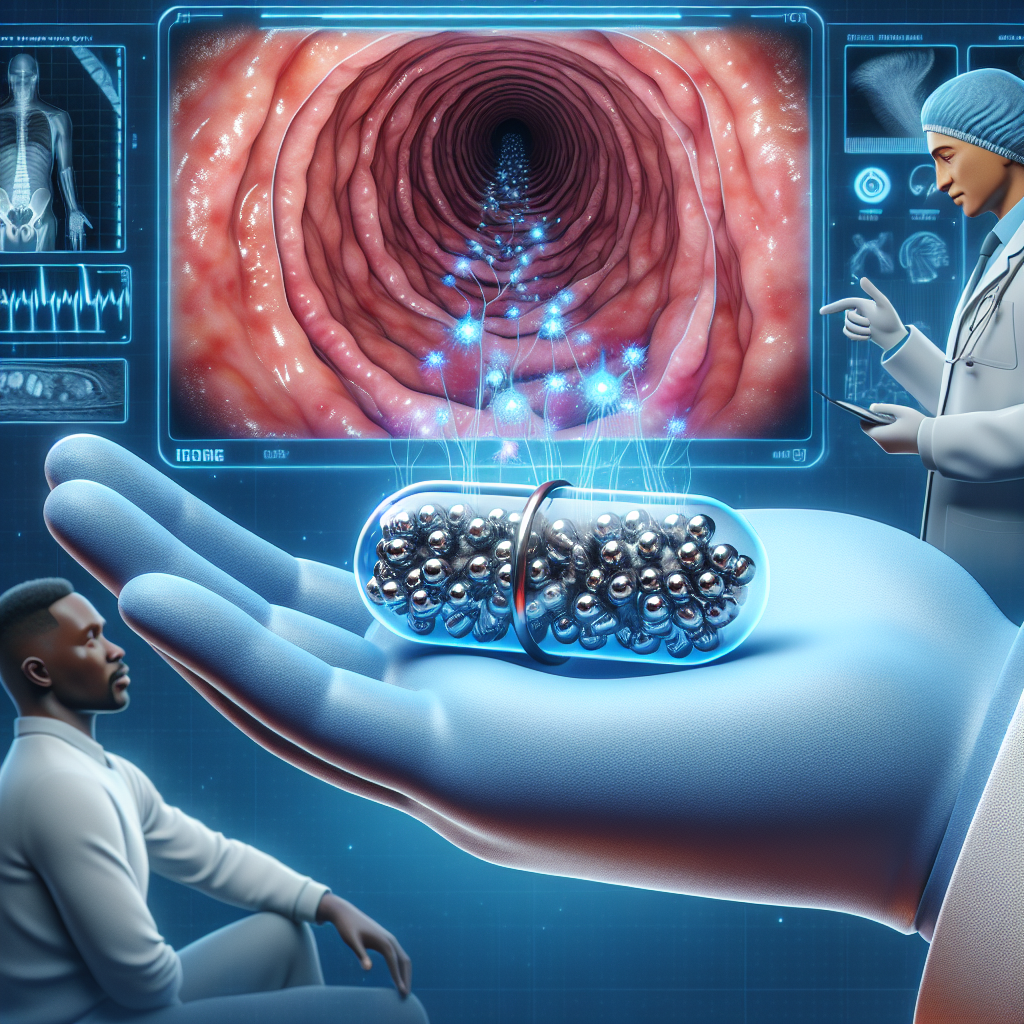
Scientists are developing an innovative “magnetic pill” that could revolutionize colorectal screening. This swallowable device contains magnets and sensors that allow doctors to guide it through your digestive tract using magnetic fields controlled from outside your body. Unlike traditional colonoscopies that require sedation, uncomfortable prep, and invasive tubes, this pill travels naturally through your system while providing real-time images of your colon.
The technology offers significant advantages over current methods. While existing camera capsules move passively through the digestive system and sometimes miss important areas, the magnetic pill can be precisely steered to examine suspicious regions more thoroughly. Early studies show promising results for detecting polyps and signs of cancer without the stress and discomfort of traditional procedures.
Currently, the magnetic pill is still undergoing testing and awaiting regulatory approval. Researchers believe it could eventually supplement or replace standard colonoscopies for screening lower-risk patients, though traditional colonoscopies would still be needed for procedures like polyp removal or biopsies. The goal is to make colorectal screening more accessible and less intimidating, potentially increasing screening rates and saving lives through earlier detection.
This post summarizes reporting from UPI: Makers of magnetic pill seek to reduce need for hated colonoscopies. Our analysis represents IBD Movement’s perspective and is intended to help patients understand how this news may affect them. Read the original article for complete details.
What This Means for the IBD Community
For those of us managing IBD, this development could be absolutely game-changing. Think about the unique challenges we face with regular monitoring. Unlike the general population who might need colonoscopies every 10 years for cancer screening, many IBD patients require surveillance colonoscopies much more frequently—sometimes annually or every few years—to monitor disease activity, assess treatment effectiveness, and screen for complications.
This frequent monitoring takes both a physical and emotional toll. The bowel prep alone can trigger flares in some patients, while the anxiety of repeated procedures can impact mental health. I’ve heard from countless community members who describe the weeks leading up to a colonoscopy as filled with dread, even when they understand the procedure’s importance.
The magnetic pill technology could address several specific concerns for IBD patients. First, it eliminates the harsh bowel prep that can be particularly challenging for those with active inflammation or a history of severe disease. The prep often involves consuming large volumes of laxative solutions that can cause dehydration, electrolyte imbalances, and temporary worsening of symptoms.
Second, this technology could make monitoring more comfortable for patients with strictures or scarring from previous surgeries. Traditional colonoscopes can have difficulty navigating areas of narrowing, sometimes requiring additional procedures or imaging. A small, swallowable device might move more easily through these challenging anatomical changes.
The implications for surveillance protocols could be significant. Currently, IBD patients often require a combination of different monitoring tools—colonoscopy for detailed visualization, CT or MRI scans for assessing inflammation, and various blood tests. If magnetic pill technology proves effective for IBD-specific monitoring, it could potentially reduce the frequency of more invasive procedures while maintaining thorough surveillance.
However, it’s important to understand the limitations. The article mentions that traditional colonoscopies would still be necessary for therapeutic interventions like polyp removal or taking biopsies. For IBD patients, this means procedures to remove polyps, take tissue samples for dysplasia screening, or perform therapeutic interventions would still require conventional colonoscopy.
Questions to Consider for Your Care Team
This technology raises several important questions worth discussing with your gastroenterologist:
- How might this technology integrate with current IBD monitoring protocols?
- Could magnetic pill screening reduce the frequency of traditional colonoscopies while maintaining safety?
- Would this technology be effective for monitoring specific IBD complications like strictures or post-surgical areas?
- What would the timeline look like for IBD-specific applications if the technology gains approval?
- How would insurance coverage work for this new screening method?
It’s also worth considering how this fits into the broader trend toward personalized, less invasive IBD care. We’re seeing advances in everything from home monitoring tools to AI-assisted imaging analysis. The magnetic pill represents another step toward making IBD management more patient-friendly and accessible.
The psychological impact shouldn’t be underestimated either. For many IBD patients, the anxiety around procedures can be as challenging as the physical symptoms. Having a less invasive option could improve quality of life and reduce medical trauma, potentially leading to better adherence to surveillance recommendations.
Looking Ahead: Hope on the Horizon
While this technology is still in development and not yet available to patients, it represents the kind of innovation that gives me hope for the future of IBD care. The medical community is increasingly recognizing that patient experience matters—not just clinical outcomes, but how treatments and monitoring procedures affect daily life, mental health, and overall well-being.
The magnetic pill won’t solve every challenge we face with IBD monitoring, but it could significantly improve the experience for many patients. As someone who understands the unique burden of frequent procedures in IBD management, I find it encouraging to see researchers developing solutions that prioritize both effectiveness and patient comfort. While we wait for this technology to become available, it’s worth celebrating that innovation in IBD care continues to move toward less invasive, more patient-centered approaches.
IBD Movement provides information for educational purposes only. This content is not intended to be a substitute for professional medical advice, diagnosis, or treatment. Always seek the advice of your physician or other qualified health provider with any questions you may have regarding a medical condition.
Related Posts

Beyond Diet: Why Comprehensive Care Is Essential for Managing Crohn’s Disease
April 17, 2026
AI Revolution in IBD Care: How Artificial Intelligence Could Transform Your Treatment Journey
April 16, 2026
JAK Inhibitors in Crohn’s Disease: Navigating Safety Concerns and Treatment Decisions
April 15, 2026