Long-Term Hope: Vedolizumab Proves Safe for Extended IBD Treatment
There’s something profoundly unsettling about starting a new medication when you live with IBD. Beyond the hope that it might finally bring relief, there’s always that nagging question in the back of your mind: “What if this helps now but causes problems later?” It’s a fear that many of us carry—the uncertainty about what long-term use of powerful medications might mean for our future health.
For those of us who’ve found success with Vedolizumab (Entyvio), this worry has been particularly persistent. While many have experienced the medication’s benefits in managing their Crohn’s disease or ulcerative colitis, the question of long-term safety has remained a source of anxiety for patients and their families. Today, we have some genuinely reassuring news that addresses these concerns head-on.
Summary of Docwirenews
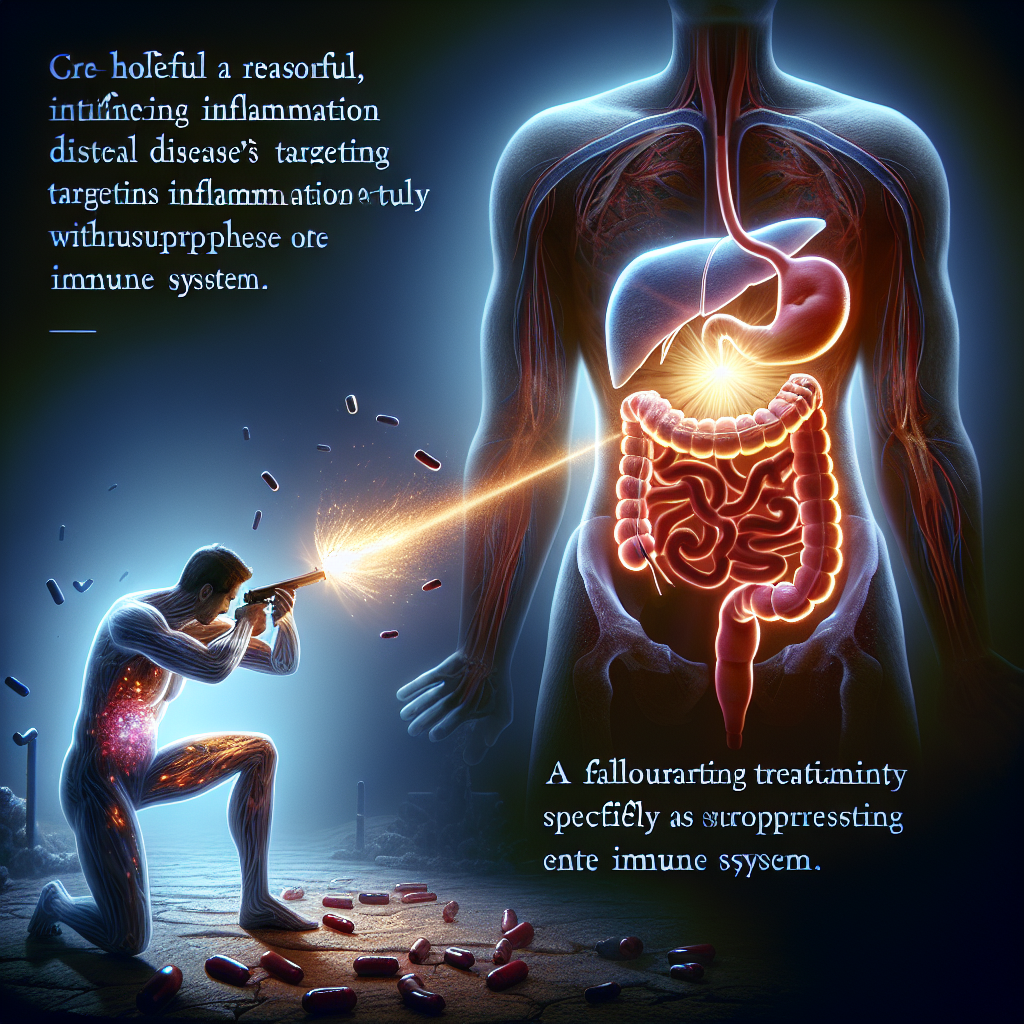
A comprehensive review of Vedolizumab’s long-term safety profile has delivered encouraging results for the IBD community. This biologic medication, which is approved for treating moderate to severe ulcerative colitis and Crohn’s disease, works by targeting a specific protein to reduce gut inflammation without broadly suppressing the entire immune system.
The review analyzed safety data from multiple long-term studies and real-world clinical experiences, covering thousands of patients over several years. The findings show that Vedolizumab maintains a favorable safety profile even with extended use. Importantly, the overall incidence of serious side effects, including infections and cancers, remained low and comparable to short-term study results—meaning the risks didn’t increase over time.
Key findings include a low rate of systemic infections, which is often a major concern with immunosuppressive drugs. Because Vedolizumab targets the gut specifically rather than suppressing the entire immune system, patients didn’t experience increased vulnerability to body-wide infections. Additionally, cancer rates remained at levels expected in the general population, and infusion-related reactions were rare and typically mild.
This post summarizes reporting from Docwirenews. Our analysis represents IBD Movement’s perspective and is intended to help patients understand how this news may affect them. Read the original article for complete details.
What This Means for the IBD Community
This data represents more than just numbers on a research paper—it’s validation for the thousands of patients who have been living with the uncertainty of long-term Vedolizumab use. For those currently on the medication, this news offers something invaluable: the ability to breathe a little easier knowing that your long-term treatment plan appears to be built on solid ground.
The gut-selective approach of Vedolizumab has always been theoretically appealing, but having years of real-world data to back up that promise is incredibly reassuring. Unlike some other biologics that suppress the entire immune system, Vedolizumab’s targeted mechanism means you can maintain better overall immune function while still getting the inflammation control you need in your digestive tract.
For patients who have been hesitant about starting Vedolizumab due to long-term safety concerns, this data provides crucial context for treatment decisions. It’s particularly meaningful for younger patients who might need decades of treatment, and for parents making treatment decisions for children with IBD. The peace of mind that comes from knowing a medication can be safely used long-term cannot be overstated.
This information also has practical implications for treatment planning. Patients and doctors can now discuss Vedolizumab as a long-term strategy with greater confidence, rather than viewing it as a short-term bridge to something else. This might influence decisions about when to start the medication, how aggressively to pursue remission, and what to expect from treatment over the years ahead.
The low infection risk is particularly noteworthy for our community. Many of us have experienced the frustration of achieving disease control only to face repeated infections that disrupt our progress. Vedolizumab’s gut-specific action appears to offer a sweet spot—effective IBD management without the systemic immune suppression that leaves us vulnerable to every bug that comes around.
Questions to Consider for Your Healthcare Team
If you’re currently on Vedolizumab or considering it as a treatment option, this new safety data opens up several important conversations to have with your healthcare provider:
- How does this long-term safety profile compare to other treatment options you’re considering?
- If you’re currently on a different biologic with concerning side effects, might Vedolizumab be worth discussing as an alternative?
- For those who previously tried Vedolizumab but stopped due to safety concerns, has this new data changed the risk-benefit calculation?
- How might this information influence your overall treatment timeline and goals?
- What monitoring protocols should you follow to ensure continued safety during long-term use?
These conversations are particularly important because IBD treatment is so individual. While this data is encouraging across large populations, your personal medical history, current health status, and treatment goals all factor into what’s right for you specifically.
The Broader Context of IBD Treatment Evolution
This Vedolizumab safety data fits into a larger, encouraging trend in IBD care. We’re moving away from the old paradigm where treatment decisions were driven primarily by short-term effectiveness, often with little consideration for what sustained use might mean for patients’ long-term health and quality of life.
The emphasis on gut-selective therapies represents a more sophisticated understanding of IBD pathophysiology. Rather than using a sledgehammer approach that suppresses the entire immune system, we’re seeing the development of more precise tools that can target inflammation where it matters most while preserving immune function elsewhere.
This shift is particularly meaningful for those of us who plan to live full, active lives despite our IBD diagnosis. The ability to maintain long-term disease control without accumulating significant safety risks over decades opens up possibilities that previous generations of IBD patients couldn’t envision.
For the research community, this data also validates the importance of long-term safety studies and real-world evidence collection. It demonstrates that following patients for years—not just the typical 12-24 week clinical trial periods—provides crucial insights that can fundamentally change how we approach treatment decisions.
Living with Confidence
Perhaps most importantly, this news allows those of us on Vedolizumab to shift our mental energy from worrying about unknown future risks to focusing on living our best lives today. The anxiety about long-term consequences can be just as debilitating as IBD symptoms themselves, and having solid data to address those concerns is genuinely liberating.
This doesn’t mean we should become complacent about monitoring and safety—regular check-ups and open communication with healthcare providers remain essential. But it does mean we can approach our treatment with greater confidence and less fear about what the future might hold.
For families navigating IBD treatment decisions, especially for young people who might need lifelong therapy, this data provides the kind of reassurance that makes difficult treatment decisions feel more manageable. It’s one thing to commit to a medication for a few months or years; it’s entirely different to feel confident about decades of use.
The emotional impact of this news shouldn’t be underestimated. Many patients describe feeling like they’re constantly weighing current symptom relief against unknown future risks. Having years of safety data helps tip that balance toward feeling more secure in treatment decisions and more optimistic about long-term outcomes.
Bottom Line: This comprehensive safety review of Vedolizumab offers something precious to our community—evidence-based reassurance about long-term treatment safety. For current users, it validates your treatment choice. For those considering Vedolizumab, it adds an important piece to your decision-making process. While every treatment decision should still be made individually with your healthcare team, this data represents a significant step forward in our ability to manage IBD with both effectiveness and confidence over the long term. The future of IBD care continues to get brighter, and this news is one more reason for optimism.
IBD Movement provides information for educational purposes only. This content is not intended to be a substitute for professional medical advice, diagnosis, or treatment. Always seek the advice of your physician or other qualified health provider with any questions you may have regarding a medical condition.
Related Posts

Beyond Diet: Why Comprehensive Care Is Essential for Managing Crohn’s Disease
April 17, 2026
AI Revolution in IBD Care: How Artificial Intelligence Could Transform Your Treatment Journey
April 16, 2026
JAK Inhibitors in Crohn’s Disease: Navigating Safety Concerns and Treatment Decisions
April 15, 2026