Why Your ‘Stress’ Symptoms Might Actually Be Early Crohn’s Signs
How many times have you sat in a doctor’s office, describing persistent stomach pain, only to be told it’s “just stress”? If you’re nodding along, you’re in good company with thousands of IBD community members who heard those same dismissive words before finally getting their Crohn’s diagnosis. That gnawing feeling that something deeper is wrong—the one that keeps you awake at 2 AM googling symptoms—deserves more than a prescription for stress management.
The path to a Crohn’s diagnosis often feels like being a detective in your own health mystery, collecting clues that doctors initially dismiss as unrelated. But what if I told you that recent insights from gastroenterologists are finally validating what many of us have long suspected: those “minor” symptoms you’ve been experiencing might actually be your body’s early warning system trying to get your attention?
Summary of the original source
Gastroenterologists are emphasizing the importance of recognizing subtle early signs of Crohn’s disease, which often masquerade as common digestive issues or stress-related problems. The condition, which causes inflammation throughout the digestive tract, typically begins with symptoms that can be easily overlooked or misdiagnosed.
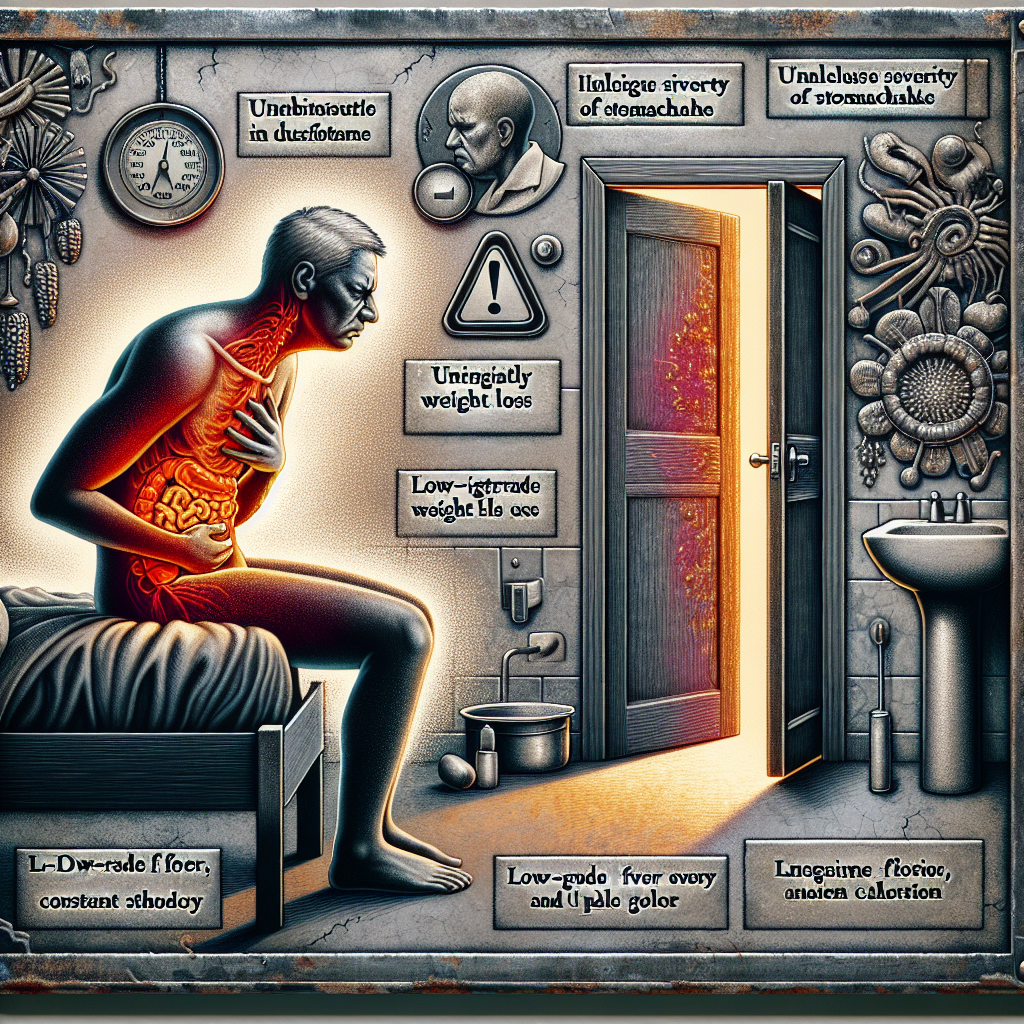
Key early warning signs include persistent abdominal pain and cramping that worsens after eating, unlike occasional stomach upset that resolves with typical remedies. Chronic diarrhea, particularly when accompanied by urgency and nighttime episodes, represents another significant indicator that shouldn’t be dismissed as temporary digestive upset.
Beyond digestive symptoms, early Crohn’s often manifests as unexplained weight loss and persistent fatigue. When intestinal inflammation affects nutrient absorption, the body shows signs of malnutrition even with regular eating habits. Loss of appetite can compound these issues, creating a difficult cycle.
What makes early detection challenging is how Crohn’s can affect systems beyond the digestive tract. Low-grade fevers, mouth sores, and anemia may appear unrelated to gut health. In younger patients, delayed growth or development can serve as an important diagnostic clue.
This post summarizes reporting from the original source. Our analysis represents IBD Movement’s perspective and is intended to help patients understand how this news may affect them. Read the original article for complete details.
What This Means for the IBD Community
This information isn’t just medical education—it’s validation for everyone who’s been told their gut instincts were wrong. As someone who’s witnessed countless diagnosis stories in our community, I’m struck by how often people describe feeling gaslit by healthcare providers who dismissed their concerns. This growing medical recognition of subtle early symptoms helps legitimize what patients have been saying all along: something wasn’t right, even when initial tests came back “normal.”
For those currently experiencing unexplained digestive symptoms, this insight provides a framework for more productive conversations with healthcare providers. Instead of accepting “it’s just stress” as a final answer, you can point to specific patterns that warrant investigation. Consider preparing for your next appointment by tracking:
- When pain occurs in relation to meals
- Frequency and characteristics of bowel movements
- Any unintentional weight changes
- Episodes of fatigue that seem disproportionate to your activity level
- Any mouth sores or low-grade fevers
What particularly resonates with me is how this information empowers family members and caregivers. Parents especially need to understand that persistent digestive symptoms in children and teens aren’t just “growing pains” or school stress. The mention of delayed growth as a potential early sign is crucial—it underscores how Crohn’s can impact young people’s development in ways that extend far beyond immediate discomfort.
From a community advocacy perspective, this knowledge transforms us into better allies for others who might be struggling. Many of us remember the profound relief of finally having a name for our suffering, but also the frustration of how long it took to get there. When we share our stories armed with this understanding, we’re not just offering emotional support—we’re potentially helping others recognize their own early symptoms and seek appropriate care sooner.
The emphasis on early detection also aligns with what we know about treatment outcomes. Community members who received their diagnosis and started treatment before significant complications developed often report having more therapeutic options and better long-term disease management. This isn’t just theoretical—it’s the lived experience of people in our community who wish they had connected the dots sooner.
Questions to Discuss With Your Doctor
If you’re experiencing persistent symptoms, consider asking your healthcare provider:
- How long should I wait for these symptoms to resolve on their own?
- What specific symptom patterns would warrant referral to a gastroenterologist?
- Could my fatigue and digestive issues be connected?
- Are there any blood tests that could help rule out inflammatory conditions?
- Given my family history, should I be more concerned about these symptoms?
The broader implications for IBD research and treatment are equally exciting. As the medical community becomes better at identifying early signs, we’re moving toward more personalized approaches to IBD care. Earlier diagnosis means more opportunities for healthcare providers to tailor treatment strategies to individual needs and potentially prevent some complications that arise from prolonged, untreated inflammation.
This shift also highlights the critical importance of finding healthcare providers who take digestive symptoms seriously and are willing to investigate thoroughly. Don’t hesitate to seek a second opinion if your concerns aren’t being addressed adequately. Your advocacy for your own health isn’t just your right—it’s essential for getting the care you deserve.
The Bottom Line: Trust your instincts about your body. If persistent digestive symptoms are interfering with your daily life, they deserve medical attention beyond stress management advice. While the path to diagnosis can be challenging, early recognition and treatment can make a significant difference in long-term outcomes and quality of life. Remember that the IBD community is here to support you, whether you’re still seeking answers or already navigating life with a diagnosis. Your symptoms matter, your concerns are valid, and you deserve healthcare providers who listen and take action.
IBD Movement provides information for educational purposes only. This content is not intended to be a substitute for professional medical advice, diagnosis, or treatment. Always seek the advice of your physician or other qualified health provider with any questions you may have regarding a medical condition.
Related Posts

Beyond Diet: Why Comprehensive Care Is Essential for Managing Crohn’s Disease
April 17, 2026
AI Revolution in IBD Care: How Artificial Intelligence Could Transform Your Treatment Journey
April 16, 2026
JAK Inhibitors in Crohn’s Disease: Navigating Safety Concerns and Treatment Decisions
April 15, 2026