Recognizing Early Crohn’s Disease Symptoms: What Every IBD Patient Should Know About This Critical Health Information
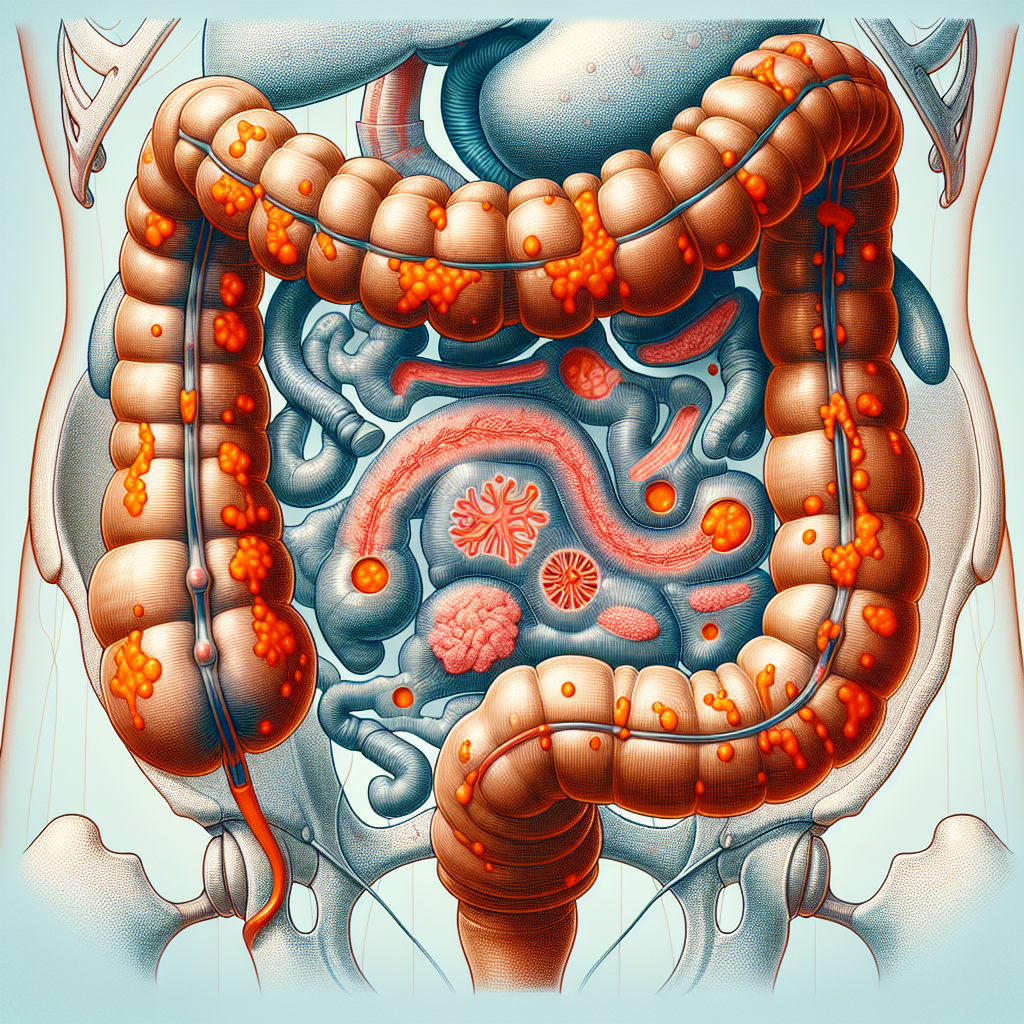
If you’re living with IBD or suspect you might have an inflammatory bowel condition, understanding the early warning signs of Crohn’s disease could be life-changing. Whether you’re newly diagnosed, supporting a loved one, or simply want to stay informed about IBD developments, recognizing these initial symptoms can lead to earlier intervention and better long-term outcomes. The journey with Crohn’s disease often begins with subtle signs that are easy to dismiss or attribute to other causes, making awareness of these early indicators crucial for our community.
Key Early Symptoms Identified by Health Experts
According to a recent article published by Everyday Health on November 21, 2024, medical experts have identified seven critical early symptoms that may indicate the onset of Crohn’s disease. This comprehensive overview provides valuable insight into the initial manifestations of this complex inflammatory bowel condition that affects millions of people worldwide.
The article, authored by health professionals specializing in digestive disorders, emphasizes the importance of recognizing these early warning signs before the condition progresses to more severe stages. The seven key symptoms highlighted include persistent digestive issues, unexplained fatigue, abdominal pain patterns, changes in bowel movements, unintentional weight loss, recurring mouth sores, and skin-related manifestations that may seem unrelated to digestive health.
The timing of this information is particularly relevant as healthcare providers continue to emphasize the importance of early detection in IBD management. The article draws from current medical literature and expert opinions to provide a comprehensive overview of how Crohn’s disease typically presents in its initial stages, offering both patients and healthcare providers valuable guidance for early identification and intervention.
Why This Information Matters More Than Ever for IBD Patients
For those of us in the IBD community, this type of educational content represents far more than just another medical article—it’s a potential lifeline for countless individuals who may be experiencing the early stages of Crohn’s disease without realizing it. The significance of early symptom recognition cannot be overstated, as research consistently shows that earlier diagnosis and treatment initiation lead to better long-term outcomes, reduced complications, and improved quality of life.
What makes this information particularly valuable is how it addresses the often-overlooked reality that Crohn’s disease symptoms can be incredibly subtle in the beginning. Many people with IBD share stories of years spent visiting different doctors, receiving misdiagnoses, or being told their symptoms were “just stress” or “normal digestive issues.” This comprehensive symptom guide helps bridge that gap between experiencing concerning symptoms and understanding when those symptoms warrant serious medical attention.
The emphasis on seven specific early symptoms also provides a structured framework that both patients and healthcare providers can use as a screening tool. Rather than relying on vague descriptions like “stomach problems,” this targeted approach gives people concrete signs to watch for and discuss with their medical teams. This specificity is crucial because Crohn’s disease can manifest differently in different people, and having a comprehensive checklist helps ensure that various presentations are recognized and addressed.
From a broader IBD community perspective, this information also highlights the ongoing evolution in how we understand and identify inflammatory bowel diseases. The medical community’s increasing focus on early detection reflects a shift toward preventive care and intervention before irreversible damage occurs. For those already living with IBD, understanding these early symptoms can also help in recognizing flare-ups or disease progression, enabling more proactive management of their condition.
The psychological impact of having clear, actionable information about early symptoms cannot be underestimated either. Many people in our community describe feeling validated when they finally receive a diagnosis after experiencing symptoms that others dismissed or minimized. Educational resources like this help empower individuals to advocate for themselves more effectively and seek appropriate medical care when concerning symptoms arise.
Furthermore, this type of information serves an important role in family health awareness. Since IBD can have genetic components, family members of people with Crohn’s disease or ulcerative colitis often worry about their own risk. Having clear information about early symptoms helps family members make informed decisions about when to seek medical evaluation, potentially leading to earlier diagnosis and treatment for those who do develop the condition.
The article’s focus on early symptoms also aligns with current trends in personalized medicine and precision healthcare. As our understanding of IBD continues to evolve, the ability to identify and categorize early symptoms more precisely contributes to better treatment planning and more targeted therapeutic approaches from the very beginning of a patient’s journey.
Expert Medical Context and Considerations
Healthcare professionals consistently emphasize that early symptom recognition is just the first step in the IBD diagnosis process. Gastroenterologists typically explain that while these seven symptoms provide valuable screening criteria, definitive diagnosis requires comprehensive medical evaluation including detailed medical history, physical examination, laboratory tests, and often imaging studies or endoscopic procedures.
Medical experts also stress the importance of understanding that these early symptoms can overlap with many other conditions, from irritable bowel syndrome to food intolerances to other inflammatory conditions. This is why professional medical evaluation is crucial—self-diagnosis based on symptom checklists, while helpful for awareness, cannot replace proper medical assessment and testing.
When discussing these symptoms with healthcare providers, patients should be prepared to provide detailed information about symptom patterns, triggers, severity, and impact on daily life. This comprehensive approach helps medical professionals distinguish between IBD and other potential causes of similar symptoms.
Actionable Takeaways for IBD Patients and Their Families
- Create a symptom diary: Track any concerning digestive or systemic symptoms, including timing, severity, and potential triggers to share with healthcare providers
- Don’t dismiss persistent symptoms: If you’re experiencing multiple early warning signs consistently over several weeks, schedule an appointment with your primary care physician or a gastroenterologist
- Educate family members: Share this information with relatives who may have increased risk due to family history of IBD
- Prepare for medical appointments: Use this symptom framework to have more productive conversations with healthcare providers about your concerns
- Stay informed about IBD developments: Continue following reputable sources for updates on diagnosis, treatment, and management strategies
Moving Forward Together as an IBD Community
This comprehensive overview of early Crohn’s disease symptoms represents another important step forward in IBD awareness and education. By understanding these warning signs, we empower ourselves and our loved ones to seek appropriate medical care when needed, potentially changing the trajectory of this complex condition through earlier intervention.
The IBD community thrives on shared knowledge and mutual support. We encourage you to share this information with others who might benefit from it, whether they’re experiencing concerning symptoms or simply want to stay informed about IBD developments. Your experiences and insights matter—consider sharing your own early symptom story in the comments to help others who might be on a similar journey.
Remember, while information like this is incredibly valuable, it’s always important to work closely with qualified healthcare providers for personalized medical advice and treatment decisions. Together, we can continue building a more informed, supportive, and proactive IBD community.
Medical Disclaimer: This article is for informational purposes only and is not intended to replace professional medical advice, diagnosis, or treatment. Always consult with qualified healthcare providers regarding any medical concerns or before making changes to your healthcare routine. If you’re experiencing concerning symptoms, please seek appropriate medical evaluation.
Related Posts

Beyond Diet: Why Comprehensive Care Is Essential for Managing Crohn’s Disease
April 17, 2026
AI Revolution in IBD Care: How Artificial Intelligence Could Transform Your Treatment Journey
April 16, 2026
JAK Inhibitors in Crohn’s Disease: Navigating Safety Concerns and Treatment Decisions
April 15, 2026