New Hope for Crohn’s: Targeted Therapy Takes Aim at Root Cause
If you’ve lived with Crohn’s disease for any length of time, you know that familiar cycle all too well—the cautious optimism when a new treatment works, followed by the crushing disappointment when symptoms return or side effects become unbearable. You’ve probably tried the usual suspects: steroids that make you feel like a different person, immunosuppressants that leave you worried about every sniffle, and biologics that work beautifully for your friend but do nothing for you.
It’s exhausting, isn’t it? The endless trial and error, the monthly infusions, the careful monitoring of blood work, all while trying to maintain some semblance of a normal life. But what if there was a different approach—one that could target the specific troublemakers in your gut without throwing your entire immune system into chaos?
Summary of Tipranks
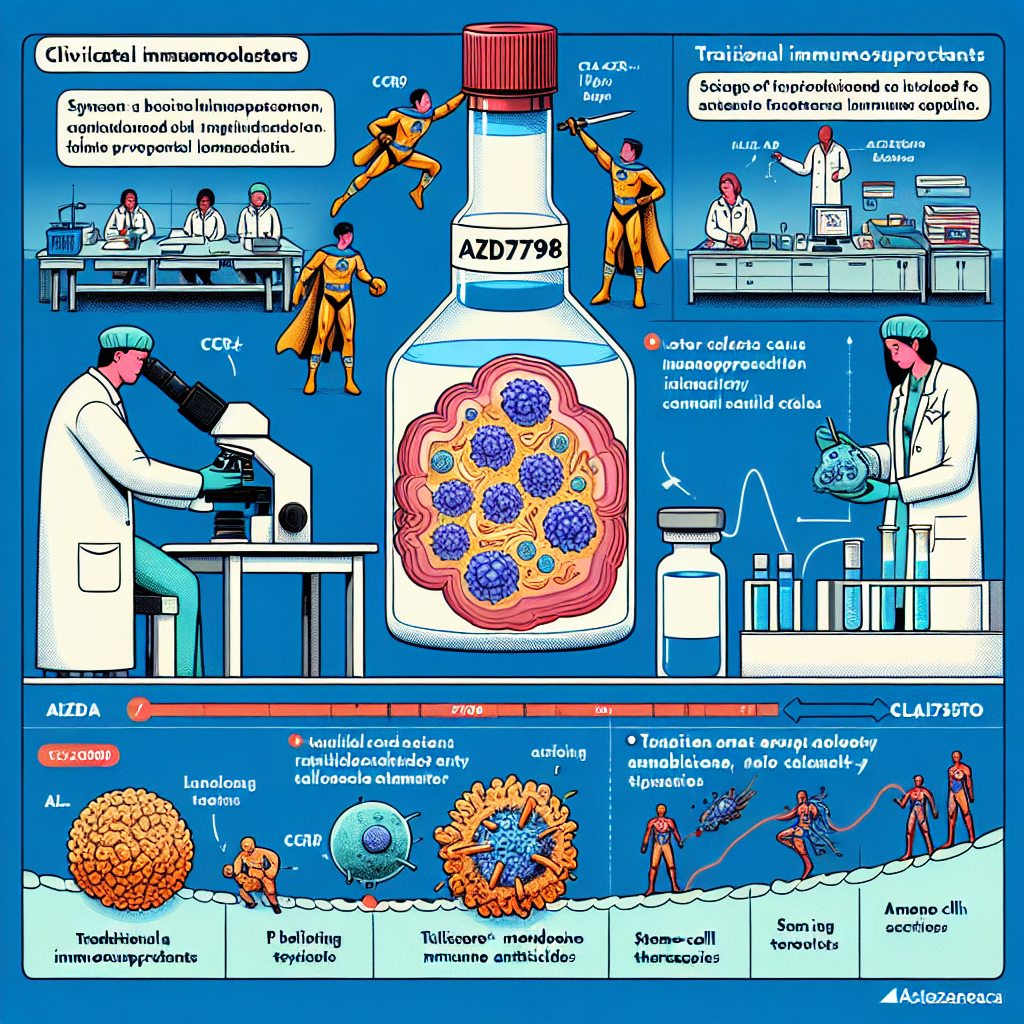
AstraZeneca is developing an experimental treatment called AZD7798 that takes a completely different approach to treating Crohn’s disease. Instead of broadly suppressing the immune system like many current treatments, this new monoclonal antibody specifically targets CCR9+ lymphocytes—immune cells that play a key role in directing inflammation to the small intestine. The company is currently conducting the CALLISTO trial to test whether this targeted approach can effectively reduce gut inflammation while potentially causing fewer side effects than traditional therapies. Early research suggests this precision targeting could offer new hope for patients who haven’t responded well to existing treatments or who struggle with significant side effects.
This post summarizes reporting from Tipranks. Our analysis represents IBD Movement’s perspective and is intended to help patients understand how this news may affect them. Read the original article for complete details.
What This Means for the IBD Community
This news represents something we don’t see often enough in the IBD world: a fundamentally different way of thinking about treatment. For too long, we’ve been stuck with a sledgehammer approach—suppress the whole immune system and hope the inflammation goes down without leaving you defenseless against infections. AZD7798 is more like a scalpel, aiming to remove only the specific immune cells causing problems in your gut.
Let’s break down why this targeted approach could be such a game-changer for your daily life. Right now, if you’re on immunosuppressants like methotrexate or azathioprine, you probably know the drill: regular blood work to check your liver function, avoiding crowds during flu season, and that constant low-level anxiety about whether your body can fight off that cold your coworker brought to the office. With a more targeted therapy, you might be able to maintain better overall immune function while still controlling your Crohn’s symptoms.
The focus on CCR9+ lymphocytes is particularly interesting because these cells seem to have a specific affinity for the small intestine—exactly where many Crohn’s patients experience their most troublesome symptoms. If you’re someone whose disease primarily affects your terminal ileum (the connection between your small and large intestines), this targeted approach could potentially offer relief right where you need it most.
For patients who have cycled through multiple biologics—perhaps you’ve tried Humira, Remicade, Stelara, or others—AZD7798 represents a completely different mechanism of action. This is crucial because one of the most frustrating aspects of Crohn’s treatment is that what works wonderfully for one person may do absolutely nothing for another. Having more options with different approaches to controlling inflammation means better chances of finding something that works for your unique disease pattern.
The timing is also significant. We’re in an era where personalized medicine is becoming more realistic, not just a buzzword. Understanding which specific immune pathways are driving your inflammation could eventually lead to tests that help predict which treatments are most likely to work for you, potentially saving months or years of trial and error.
Questions to Consider for Your Next Doctor’s Visit
While AZD7798 is still in clinical trials and not yet available, this research opens up important conversations you might want to have with your gastroenterologist:
- How does your current treatment affect your overall immune function, and are there signs you should watch for?
- Would you be a candidate for clinical trials if this or similar targeted therapies become available?
- What does your disease activity pattern suggest about which immune pathways might be most involved in your inflammation?
- Are there ways to optimize your current treatment while waiting for new options to become available?
These discussions can help you and your doctor think more strategically about your treatment plan, not just react to flares as they happen.
The Broader Context: A Shift Toward Precision Medicine
AZD7798 is part of a larger trend in IBD research toward understanding the specific biological mechanisms driving each person’s disease. This represents a major evolution from the era when we had limited options and a one-size-fits-all mentality. The fact that researchers are now able to identify and target specific immune cell populations shows how much our understanding of IBD has advanced.
This precision approach also aligns with what many patients have been saying for years: IBD isn’t just one disease. Your Crohn’s might behave completely differently from your friend’s, even if you both have inflammation in similar locations. Understanding these differences at the cellular level is key to developing treatments that work better with fewer side effects.
The focus on CCR9+ lymphocytes also highlights something important about intestinal immunity. Your gut has its own specialized immune system, distinct from the immune responses in other parts of your body. Treatments that can work specifically within this intestinal immune environment, without disrupting your body’s ability to fight infections elsewhere, could represent a major breakthrough in how we approach IBD treatment.
For many in our community, the most exciting aspect isn’t just the potential for better symptom control—it’s the possibility of maintaining a more normal quality of life while treating the disease. Imagine being able to travel without worrying about your immune system, or not having to weigh the risks of attending your child’s school play against the need to avoid infections.
While we wait for results from the CALLISTO trial, this research also validates something many patients have felt: that we need and deserve better treatment options. Every advance like this brings us closer to a future where managing Crohn’s disease doesn’t require such significant compromises in other areas of health and life.
The IBD community has always been remarkably resilient and hopeful, even in the face of a challenging disease. Research like AZD7798 shows that this hope is well-founded. While we can’t predict exactly when or how new treatments will become available, the direction of the research gives us reason to believe that better days are ahead.
This targeted approach also opens doors for combination therapies that might be more effective than single treatments. If we can precisely target the immune cells causing intestinal inflammation while preserving overall immune function, it might become possible to combine these targeted therapies with other approaches—perhaps dietary interventions, microbiome treatments, or stress management techniques—for more comprehensive disease management.
For now, the most important thing is that this research continues and that the voices and experiences of IBD patients remain central to how these new treatments are developed and tested. Your daily struggles with symptoms, side effects, and the impact of disease on your life are exactly what drive researchers to keep pushing for better solutions.
The bottom line: AZD7798 represents the kind of innovative thinking that could transform IBD treatment from a blunt instrument to a precision tool. While we’re still in the early stages of research, this targeted approach offers hope for more effective treatment with fewer trade-offs. For a community that has waited too long for better options, this precision medicine approach feels like the direction we’ve been hoping treatment would take—finally addressing not just our symptoms, but the specific immune dysfunction driving them, while preserving our ability to live full, healthy lives.
IBD Movement provides information for educational purposes only. This content is not intended to be a substitute for professional medical advice, diagnosis, or treatment. Always seek the advice of your physician or other qualified health provider with any questions you may have regarding a medical condition.
Related Posts

Vitamin D Shows Promise for Reshaping Gut Response in IBD: What This Could Mean for Your Treatment Journey
April 18, 2026
Beyond Diet: Why Comprehensive Care Is Essential for Managing Crohn’s Disease
April 17, 2026
AI Revolution in IBD Care: How Artificial Intelligence Could Transform Your Treatment Journey
April 16, 2026