New Clinical Trial Offers Hope for Better Vaccine Protection in IBD Patients
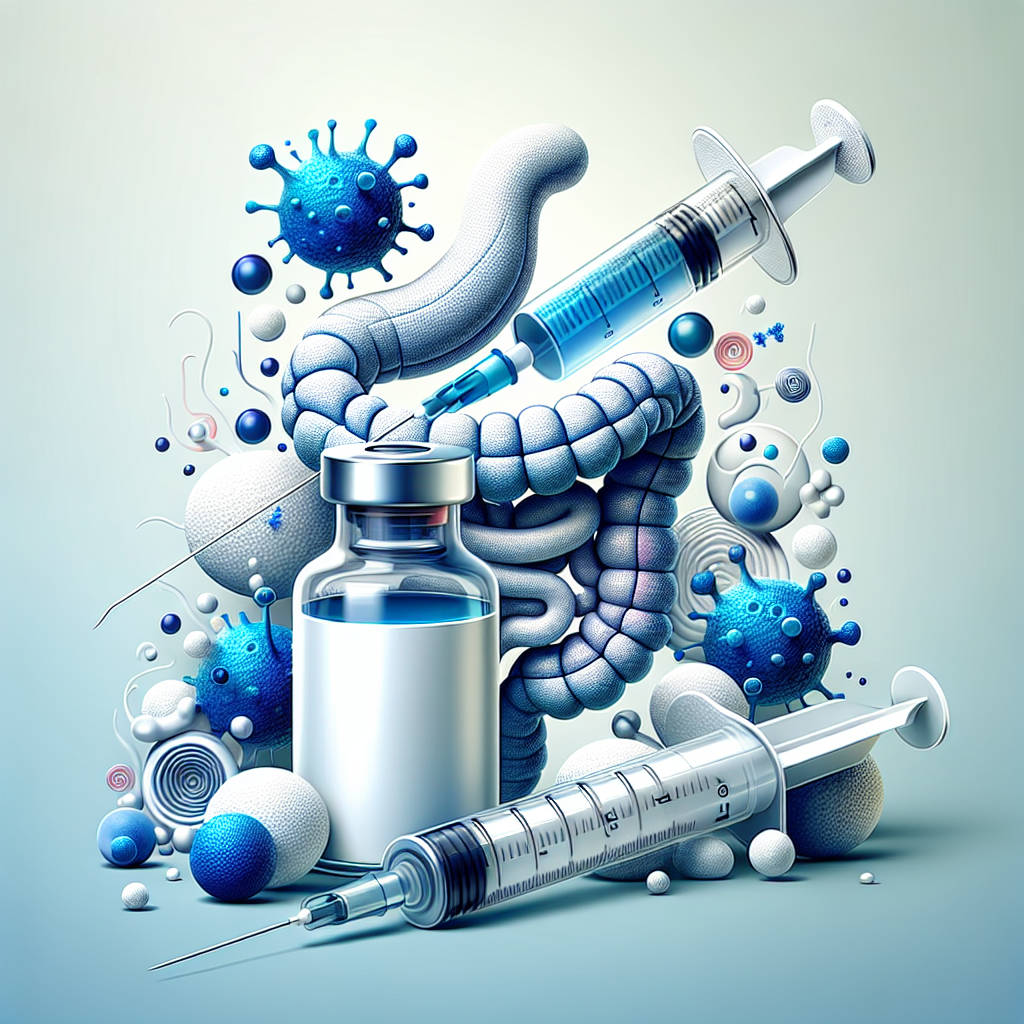
If you’re living with inflammatory bowel disease (IBD), you’ve likely experienced the frustrating reality of having a compromised immune response to vaccines. Whether it’s the annual flu shot that doesn’t seem to work as well, or concerns about COVID-19 vaccine effectiveness while on immunosuppressive medications, vaccine challenges are a real part of the IBD journey. But there’s encouraging news on the horizon that could change this narrative for thousands of people with Crohn’s disease and ulcerative colitis.
Researchers at Imperial College Healthcare NHS Trust have launched a groundbreaking clinical trial specifically designed to explore how we can improve vaccine responses in people with IBD. This isn’t just another study – it represents a targeted effort to address one of the most pressing healthcare concerns facing our community today. For those of us who’ve wondered whether our medications are leaving us more vulnerable to infections, or questioned if vaccines are truly protecting us, this research could provide answers and, more importantly, solutions.
Breaking Down the Research: What We Know So Far
According to the announcement from Imperial College Healthcare NHS Trust, researchers have officially launched a clinical trial focused on improving vaccine responses specifically in patients with inflammatory bowel disease. The trial, announced on November 7, 2025, represents a significant step forward in addressing the unique immunological challenges faced by people living with IBD.
While the initial announcement provides limited details about the specific methodology or interventions being tested, the very existence of this targeted research signals that the medical community is taking seriously the vaccine response challenges that IBD patients have long experienced. The trial is being conducted by Imperial College Healthcare NHS Trust, a leading medical institution known for its innovative research in gastroenterology and immunology.
This research initiative comes at a crucial time when vaccine effectiveness has become a central concern for people with IBD, particularly following the COVID-19 pandemic, which highlighted the vulnerabilities faced by immunocompromised individuals. The timing suggests that researchers are building on lessons learned during the pandemic about how different patient populations respond to vaccines.
Why This Matters More Than You Might Think
For people living with IBD, this research addresses a critical gap that has existed for far too long. The relationship between IBD medications and vaccine effectiveness is complex and often poorly understood, leaving patients and their healthcare providers making difficult decisions with incomplete information. Many of us have found ourselves caught between the need to control our IBD symptoms with immunosuppressive medications and the desire to maintain robust protection against infectious diseases.
The significance of this trial extends far beyond just improving vaccine responses – it represents a recognition that people with IBD deserve specialized research attention. For years, IBD patients have been grouped into broad categories of “immunocompromised” individuals, but our specific needs and challenges haven’t always been adequately addressed in research. This targeted approach suggests that researchers are beginning to understand that IBD patients require tailored solutions.
Consider the daily reality for many people with IBD: we’re often on medications like biologics, immunomodulators, or corticosteroids that can suppress our immune systems. While these medications are life-changing for managing our IBD symptoms, they can also reduce our ability to mount effective immune responses to vaccines. This creates a challenging balancing act where we need protection from infections more than ever, but our treatments may make standard vaccines less effective.
The psychological impact of this uncertainty shouldn’t be underestimated either. Many IBD patients report feeling anxious about their vulnerability to infections, especially during flu season or when traveling. Some have delayed important medical procedures or avoided social situations due to concerns about their immune status. Research that could lead to more effective vaccination strategies would provide not just physical protection, but also peace of mind.
This trial also comes at a time when we’re seeing rapid advances in vaccine technology. The success of mRNA vaccines during the COVID-19 pandemic has opened new possibilities for vaccine development and delivery. It’s possible that this research could explore how newer vaccine technologies might be particularly beneficial for people with IBD, or whether timing vaccines around IBD treatment schedules could improve effectiveness.
From a broader healthcare perspective, improving vaccine responses in IBD patients could have significant implications for healthcare costs and quality of life. People with IBD who develop vaccine-preventable infections often require more intensive treatment, longer hospital stays, and may experience IBD flares triggered by infections. Better vaccine protection could reduce these complications and improve overall health outcomes.
The research also raises important questions that many IBD patients have been asking their doctors: Should I pause my IBD medications before getting vaccinated? Are there specific vaccines I should prioritize? How can I tell if a vaccine is working for me? While this trial may not answer all these questions immediately, it represents a step toward evidence-based answers rather than educated guesses.
What Healthcare Experts Are Saying
Gastroenterologists and immunologists have long recognized that people with IBD face unique challenges when it comes to vaccine effectiveness. Many experts in the field emphasize that while IBD medications can reduce vaccine responses, the benefits of staying on these treatments typically outweigh the risks. However, they also acknowledge that more research is needed to optimize vaccination strategies for this population.
Healthcare providers often recommend that IBD patients receive vaccines before starting immunosuppressive therapy when possible, and that they stay up to date with all recommended vaccinations. Some experts also suggest timing vaccines strategically around IBD treatment schedules, though the evidence for optimal timing strategies has been limited until now.
This research trial represents the kind of targeted investigation that experts have been calling for – studies that look specifically at IBD patients rather than grouping them with other immunocompromised populations. The results could inform new clinical guidelines and help doctors make more personalized recommendations for their IBD patients.
What This Could Mean for Your IBD Care
- Personalized vaccination strategies: The research could lead to IBD-specific guidelines for vaccine timing, dosing, or selection that maximize effectiveness while maintaining IBD treatment.
- Better infection prevention: Improved vaccine responses could mean fewer infections and IBD flares triggered by illnesses, leading to better overall health outcomes.
- Enhanced peace of mind: Evidence-based vaccination strategies could reduce anxiety about infection risk and help you make more confident decisions about social activities and travel.
- Informed treatment decisions: Better understanding of how different IBD medications affect vaccine responses could help you and your doctor make more informed choices about treatment options.
- Improved healthcare discussions: This research could provide concrete data to discuss with your healthcare team about your individual vaccination needs and strategies.
Looking Ahead: A New Chapter in IBD Care
While we await the results of this promising research, it’s important to remember that this trial represents just the beginning of what could be a new era of personalized vaccination strategies for people with IBD. The fact that researchers are dedicating resources to this specific challenge shows that the medical community is listening to the concerns of IBD patients and working to address them.
This research also highlights the importance of the IBD community in advocating for better care and more targeted research. When we share our experiences and concerns with healthcare providers and researchers, we help shape the direction of future studies and treatments. Your voice matters in this process, and staying engaged with research developments like this one can help ensure that future studies address the questions that matter most to you.
As this trial progresses, we encourage you to discuss vaccination strategies with your healthcare team and stay informed about new developments. While we wait for results, continue following current vaccination recommendations from your doctors, and don’t hesitate to ask questions about how your IBD treatment might affect your vaccine responses.
What aspects of vaccine effectiveness are you most curious about? Have you experienced challenges with vaccines while managing your IBD? Share your thoughts and experiences in the comments below – your insights could help other community members and even inform future research directions.
Medical Disclaimer: This article is for informational purposes only and should not replace professional medical advice. Always consult with your healthcare provider about vaccination decisions and how they relate to your specific IBD treatment plan. Individual medical needs vary, and your doctor is the best source for personalized medical guidance.
Related Posts

Beyond Diet: Why Comprehensive Care Is Essential for Managing Crohn’s Disease
April 17, 2026
AI Revolution in IBD Care: How Artificial Intelligence Could Transform Your Treatment Journey
April 16, 2026
JAK Inhibitors in Crohn’s Disease: Navigating Safety Concerns and Treatment Decisions
April 15, 2026