Beyond the App: Creative IBD Symptom Tracking Methods That Actually Work
Living with inflammatory bowel disease means becoming intimately familiar with your body’s patterns, triggers, and responses. While smartphone apps have revolutionized symptom tracking for many people with IBD, they’re not the only—or necessarily the best—solution for everyone. Some find apps too rigid, others struggle with digital fatigue, and many discover that traditional tracking methods miss the nuanced, personal aspects of their IBD experience.
This comprehensive guide explores innovative, creative approaches to symptom documentation that go far beyond the typical app interface. Whether you’re seeking more personalized tracking methods, want to incorporate visual elements, or need systems that capture the full complexity of living with IBD, these alternative approaches can help you develop a deeper understanding of your condition while creating a tracking system that truly works for your lifestyle.
You’ll discover practical techniques for visual symptom mapping, learn how to integrate mood and environmental factors into your documentation, and explore methods for identifying personal triggers that standard tracking tools often overlook. These approaches aren’t just about collecting data—they’re about empowering you with insights that can genuinely improve your quality of life.
Why Traditional Tracking Falls Short for IBD
Before diving into creative alternatives, it’s important to understand why conventional symptom tracking methods—including many popular apps—may not fully serve the IBD community’s needs. IBD symptoms are inherently complex and interconnected, involving not just physical manifestations but emotional, environmental, and social factors that influence disease activity.
Traditional tracking typically focuses on discrete data points: number of bowel movements, pain levels on a 1-10 scale, or medication adherence. While this information is valuable, it often misses the subtle patterns and connections that people with IBD intuitively recognize. For instance, how do you quantify the relationship between a stressful work presentation and increased symptoms three days later? How do you capture the way certain weather patterns seem to correlate with joint pain?
Many people with IBD also experience tracking fatigue—the overwhelming feeling that comes from constantly monitoring and inputting data. This is particularly challenging during flares when energy is already limited. Additionally, the standardized categories in most apps may not reflect individual experiences, leading to frustration and eventual abandonment of tracking efforts.
Creative documentation methods address these limitations by offering flexibility, personalization, and the ability to capture the full spectrum of the IBD experience. They acknowledge that effective symptom tracking is as much about understanding patterns and relationships as it is about collecting raw data.
Visual Symptom Mapping: Seeing Your Patterns
Color-coded calendar systems represent one of the most intuitive approaches to visual symptom tracking. Create a personalized color scheme where different hues represent various aspects of your IBD experience. For example:
- Red for high pain or severe symptoms
- Orange for moderate discomfort
- Yellow for mild symptoms or “off” days
- Green for good days
- Blue for excellent days
- Purple for medication changes or medical appointments
Use a large wall calendar or create a digital version where you can quickly color-code each day. Over time, patterns emerge that might not be obvious in traditional numerical tracking. You might notice clusters of red days following specific events or seasonal patterns that correlate with your symptoms.
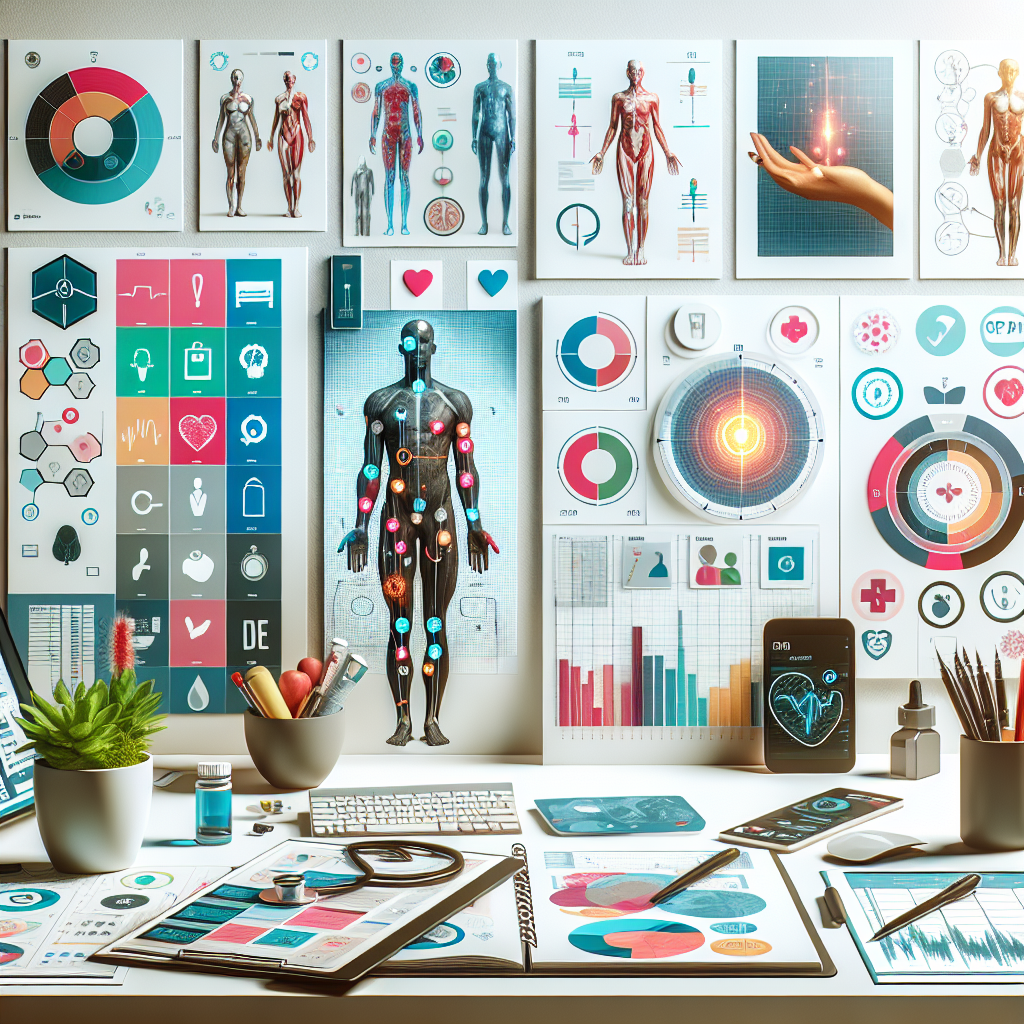
Body mapping diagrams offer another powerful visual tool. Create simple outline drawings of the human body and use them to mark where you experience symptoms each day. Use different symbols or colors to indicate pain, cramping, bloating, or other sensations. This method is particularly valuable for people with Crohn’s disease who may experience symptoms in various parts of the digestive tract, or for those dealing with extraintestinal manifestations like joint pain or skin issues.
Consider developing a symptom intensity heat map using graph paper or a digital drawing tool. Create a grid where one axis represents time (days, weeks, or months) and the other represents different symptoms. Use color intensity or shading to show symptom severity. This creates a visual representation that makes it easy to spot trends, seasonal patterns, or the impact of treatment changes.
Photography-based tracking can be particularly useful for visible symptoms. While this method requires discretion and should only be used for personal medical records, photographing skin conditions, visible swelling, or even the contents of your medicine cabinet can provide valuable documentation for healthcare appointments. Always ensure photos are stored securely and consider discussing this approach with your healthcare provider.
Incorporating Mood and Environmental Factors
IBD doesn’t exist in a vacuum—it’s influenced by stress, emotions, weather, sleep, and countless environmental factors. Holistic tracking methods acknowledge these connections and help identify patterns that purely symptom-focused approaches might miss.
Develop a daily snapshot system that captures your overall experience rather than just physical symptoms. This might include:
- Energy levels (using descriptive words rather than numbers)
- Mood and emotional state
- Sleep quality and duration
- Stress levels and sources
- Weather conditions
- Social interactions and activities
- Work or school pressures
One effective method is the “weather report” approach—describe your day using weather metaphors. A “sunny” day might represent feeling energetic and symptom-free, while a “stormy” day could indicate high pain and emotional distress. “Partly cloudy” might describe mixed symptoms with some good moments. This intuitive system helps capture the overall quality of your IBD experience in a way that feels natural and sustainable.
Emotion-symptom connection tracking involves noting not just what you feel physically, but what’s happening emotionally and mentally. Create simple categories like “anxious,” “frustrated,” “hopeful,” or “overwhelmed,” and track these alongside physical symptoms. Many people with IBD discover surprising correlations between emotional states and symptom flares, information that can be valuable for both medical treatment and personal coping strategies.
Consider implementing a trigger investigation journal where you note potential environmental factors that might influence your symptoms. This could include changes in routine, travel, new foods, medications, or even positive events like celebrations. The goal isn’t to eliminate all potential triggers but to understand your personal patterns and make informed decisions about managing your environment.
Creating Personalized Trigger Identification Systems
While general IBD trigger lists exist, individual trigger patterns are highly personal and often more complex than simple cause-and-effect relationships. Developing your own systematic approach to trigger identification can provide insights that generic tracking methods miss.
The “detective method” involves approaching symptom tracking like solving a mystery. When you experience a flare or unusual symptoms, work backward to identify potential contributing factors from the previous 24-72 hours. Consider:
- Foods eaten (including preparation methods and timing)
- Sleep patterns and quality
- Stress events or emotional triggers
- Physical activity levels
- Medication timing or changes
- Environmental factors (travel, weather changes, allergens)
- Social situations and interactions
Create a timeline tracking system where you map out your day hour by hour during particularly good or bad periods. This detailed approach often reveals patterns that broader tracking methods miss. You might discover that symptoms consistently worsen when you eat lunch at your desk versus taking a proper break, or that morning symptoms are worse on days when you check work emails immediately upon waking.
Elimination and reintroduction tracking can be applied to more than just foods. Consider systematically examining different aspects of your routine to identify triggers. This might involve temporarily changing your exercise routine, sleep schedule, or even social media consumption to see how these factors influence your symptoms.
Develop a personal trigger ranking system that goes beyond simple identification to categorize triggers by their impact and your ability to control them. Create categories like:
- Major triggers you can control (certain foods, sleep schedule)
- Major triggers you cannot control (weather, work stress)
- Minor triggers you can control (meal timing, exercise intensity)
- Minor triggers you cannot control (seasonal changes, family dynamics)
This system helps prioritize where to focus your energy and management efforts while acknowledging that not all triggers are within your control.
Innovative Documentation Tools and Techniques
Voice recording systems can be particularly valuable during flares when writing feels overwhelming. Use your smartphone’s voice memo function to record daily check-ins, noting symptoms, mood, and significant events. Speaking your observations often captures nuances and emotional context that written notes might miss. You can later transcribe important insights or simply review recordings to identify patterns.
Artistic expression tracking appeals to creative individuals and those who find traditional tracking methods too clinical. This might involve:
- Drawing or sketching your daily experience
- Using colors and shapes to represent different symptoms
- Creating collages that capture your overall health experience
- Writing poetry or short descriptions of your daily journey
While these methods might seem unconventional, they often capture emotional and experiential aspects of IBD that numerical ratings miss. Many people find this approach more sustainable and personally meaningful than traditional tracking.
Collaborative tracking systems involve family members, friends, or caregivers in the documentation process. This can be particularly valuable during severe flares when self-tracking becomes difficult. Trusted individuals might notice patterns or changes that you miss, and their observations can provide valuable external perspective on your symptoms and overall well-being.
Consider creating a photo journal that goes beyond symptom documentation to include meals, activities, environments, and even facial expressions or energy levels. This visual record can reveal patterns and triggers that written descriptions might not capture as effectively.
Resources and Tools for Creative Tracking
Several resources can support your creative tracking efforts:
Physical supplies:
- Large wall calendars for visual mapping
- Colored pens, markers, or pencils for coding systems
- Graph paper or dot grid notebooks for custom charts
- Small notebooks or index cards for portable tracking
- Sticky notes for temporary tracking during busy periods
Digital tools:
- Drawing apps like Procreate or Adobe Fresco for digital art tracking
- Spreadsheet programs for custom tracking systems
- Calendar apps that allow color coding and detailed notes
- Voice recording apps for audio journals
- Photo organization apps for visual documentation
Questions to ask your healthcare provider:
- What patterns or information would be most helpful for managing my treatment?
- How can I best share creative tracking information during appointments?
- Are there specific triggers or patterns I should prioritize tracking?
- How often should I review my tracking data for meaningful patterns?
- What format would be most useful for you to review my symptom information?
Support communities: Connect with online IBD communities where members share creative tracking methods and provide feedback on different approaches. The Crohn’s & Colitis Foundation’s online community and various Reddit IBD groups often feature discussions about innovative tracking methods.
Common Mistakes to Avoid
Over-complicating your system: While creativity is valuable, overly complex tracking methods often become unsustainable. Start simple and add elements gradually rather than trying to capture everything from the beginning. A system you use consistently is far more valuable than a comprehensive system you abandon after two weeks.
Focusing only on negative symptoms: Many people naturally focus on tracking bad days and symptoms while neglecting to document what makes them feel good. Tracking positive patterns—foods that help, activities that boost energy, or environments that reduce stress—is equally important for understanding your IBD.
Expecting immediate insights: Pattern recognition takes time, often requiring several weeks or months of consistent tracking. Don’t get discouraged if clear patterns don’t emerge immediately. The value of creative tracking often lies in the long-term trends rather than day-to-day variations.
Ignoring the emotional impact of tracking: Some people become anxious or obsessive about symptom tracking, which can actually worsen IBD symptoms. If tracking begins to increase stress or anxiety, step back and reassess your approach. The goal is insight and empowerment, not additional burden.
Not sharing insights with healthcare providers: Creative tracking methods only reach their full potential when insights are communicated effectively to your medical team. Practice summarizing your findings and consider how to present visual or artistic tracking information in ways that healthcare providers can easily interpret and use.
Moving Forward: Your Personal Tracking Journey
Creative IBD symptom tracking isn’t about replacing traditional medical monitoring—it’s about enhancing your understanding of your condition and creating a more complete picture of your health journey. The methods outlined in this guide offer starting points for developing a personalized approach that resonates with your lifestyle, preferences, and needs.
Begin with experimentation. Try different methods for short periods to see what feels sustainable and provides valuable insights. You might discover that combining visual elements with traditional tracking works best, or that focusing on environmental factors reveals previously unknown triggers. The key is finding an approach that you’ll actually use consistently.
Remember that effective tracking evolves with your condition and life circumstances. What works during a stable period might need adjustment during a flare, and methods that seem perfect initially might require modification as you gain new insights about your IBD patterns.
Your next steps:
- Choose one creative tracking method that appeals to you and commit to trying it for two weeks
- Gather any necessary supplies or set up digital tools
- Schedule a regular time for tracking (even just 5 minutes daily)
- Plan how you’ll review and analyze your tracking data weekly
- Prepare to discuss your findings with your healthcare provider at your next appointment
Living with IBD requires becoming an expert in your own body and patterns. Creative tracking methods provide powerful tools for developing this expertise while honoring the complex, individual nature of your experience. By moving beyond standard approaches and embracing methods that truly reflect your journey, you’re taking an important step toward better self-understanding and, ultimately, better health management.
Your IBD journey is unique, and your tracking methods should be too. Trust your instincts, be patient with the process, and remember that the best tracking system is the one that helps you feel more informed, empowered, and in control of your health.
Related Posts

Beyond Diet: Why Comprehensive Care Is Essential for Managing Crohn’s Disease
April 17, 2026
AI Revolution in IBD Care: How Artificial Intelligence Could Transform Your Treatment Journey
April 16, 2026
Acute Severe Ulcerative Colitis in Older Adults: Understanding the Heightened Risks and What It Means for You
April 13, 2026