New Research Links Ultra-Processed Foods to Crohn’s Disease and 11 Other Chronic Conditions
Summary of medicalnewstoday.com
IBD Movement provides news analysis and insights for the IBD community. Always consult your healthcare provider for personal medical advice.
A Growing Concern for the IBD Community
If you’re living with Crohn’s disease or ulcerative colitis, you’ve likely spent countless hours thinking about how food affects your symptoms. Now, groundbreaking research is shedding new light on a connection that could reshape how we think about IBD prevention and management. A comprehensive new study has identified ultra-processed foods as a significant risk factor for Crohn’s disease, along with 11 other chronic health conditions. For those of us in the IBD community, this isn’t just another dietary study—it’s potentially game-changing information that could help explain why IBD rates are climbing worldwide and what we can do about it.
What the Research Reveals
According to medicalnewstoday.com, researchers have compiled compelling evidence linking ultra-processed food (UPF) consumption to an increased risk of 12 different health conditions, with Crohn’s disease prominently featured on this concerning list. The study reveals that consumption of ultra-processed foods is rising globally, creating what researchers describe as a mounting public health crisis.
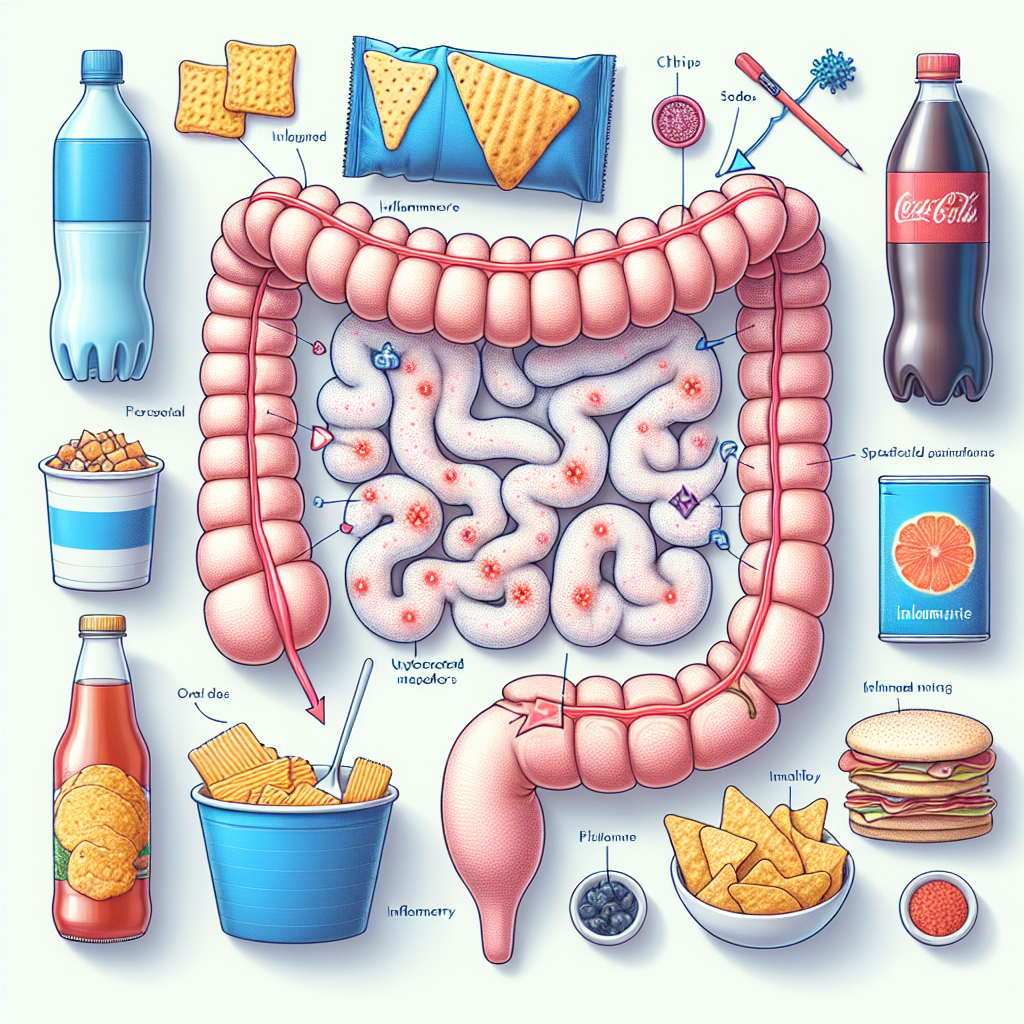
Ultra-processed foods, as defined by the research, include items that have undergone extensive industrial processing and typically contain additives, preservatives, artificial colors, and flavor enhancers. Think packaged snacks, sugary cereals, frozen meals, soft drinks, and processed meats. These foods now make up a substantial portion of the modern diet in many developed countries.
The research demonstrates a clear correlation between higher UPF consumption and increased risk for conditions including Crohn’s disease, type 2 diabetes, cardiovascular disease, and several other chronic inflammatory conditions. As reported by medicalnewstoday.com, the evidence suggests that the more ultra-processed foods people consume, the higher their risk becomes for developing these serious health issues.
What makes this research particularly significant is its scope and consistency. The findings aren’t based on a single study but represent a comprehensive analysis of multiple research efforts, all pointing toward the same troubling conclusion: our modern food system may be contributing directly to the rise in chronic inflammatory diseases like IBD.
Understanding the IBD Connection: What This Means for Our Community
For those of us living with IBD, this research opens up fascinating—and potentially concerning—questions about the relationship between our modern food environment and inflammatory bowel disease. The connection between ultra-processed foods and Crohn’s disease isn’t entirely surprising when we consider what we know about IBD pathophysiology, but it does provide crucial validation for what many patients have suspected all along.
The mechanism behind this connection likely involves several interconnected pathways. Ultra-processed foods are notorious for disrupting the gut microbiome—that delicate ecosystem of beneficial bacteria that plays a crucial role in immune function and intestinal health. When we consume foods high in artificial additives, emulsifiers, and preservatives, we’re essentially feeding the harmful bacteria while starving the beneficial ones. This microbial imbalance, known as dysbiosis, is increasingly recognized as a key factor in IBD development and progression.
Consider the typical ultra-processed food profile: high in refined sugars, unhealthy fats, sodium, and artificial ingredients, while being stripped of fiber, vitamins, and minerals. This nutritional profile creates the perfect storm for intestinal inflammation. The emulsifiers commonly used in processed foods, for instance, have been shown in laboratory studies to thin the protective mucus layer in the intestines, potentially allowing harmful bacteria to reach and irritate the intestinal wall.
What’s particularly troubling is the timing correlation. IBD rates have been steadily climbing in developed countries over the past several decades—the same period during which ultra-processed foods have become dietary staples. Countries that have traditionally had lower IBD rates are now seeing increases as Western dietary patterns, heavy in processed foods, become more prevalent. This isn’t coincidence; it’s a pattern that suggests environmental factors, including diet, play a significant role in IBD development.
For people already living with Crohn’s disease or ulcerative colitis, this research raises important questions about disease management. Many of us have noticed that certain processed foods seem to trigger flares, but we’ve often attributed this to specific ingredients or general “unhealthy eating.” This research suggests the problem may be more systematic—that the very nature of ultra-processed foods makes them inflammatory triggers.
The implications extend beyond individual dietary choices. This research suggests we need to think about IBD prevention on a population level. If ultra-processed foods are contributing to rising IBD rates, then addressing this issue could potentially prevent countless people from developing these challenging conditions. For parents of children with IBD, or those with family histories of the disease, this information could be particularly valuable in making dietary decisions that might influence disease risk.
However, it’s crucial to understand that this research doesn’t suggest that ultra-processed foods are the sole cause of IBD. Inflammatory bowel disease is a complex condition with genetic, environmental, and immunological components. What this research does suggest is that our food environment may be one significant piece of a larger puzzle—and importantly, it’s a piece we can actually do something about.
Expert Perspectives and Clinical Implications
Gastroenterologists and IBD specialists have long observed the connection between diet and disease activity, and this research provides scientific backing for clinical observations. Many experts recommend that patients with IBD focus on whole, minimally processed foods not just for symptom management, but potentially for long-term disease control.
The medical community is increasingly recognizing that dietary interventions should be part of comprehensive IBD care. While medications remain the cornerstone of treatment, the growing evidence around ultra-processed foods suggests that dietary counseling should be standard practice. Patients should discuss with their healthcare providers how to identify and reduce ultra-processed foods in their diets, especially during stable periods when dietary changes are easier to implement.
It’s important to note that dietary changes should never replace prescribed medications, and any significant dietary modifications should be discussed with your healthcare team, particularly if you’re in an active flare or have specific nutritional concerns.
Actionable Takeaways for IBD Patients
- Audit your pantry and refrigerator: Identify ultra-processed foods in your current diet and gradually replace them with whole food alternatives, focusing on fresh fruits, vegetables, lean proteins, and minimally processed grains.
- Read ingredient lists carefully: Foods with long lists of unpronounceable ingredients, artificial colors, preservatives, and emulsifiers are typically ultra-processed and may contribute to inflammation.
- Plan ahead for convenience: Since ultra-processed foods are often chosen for convenience, prepare healthy snacks and meals in advance to avoid relying on processed options during busy times.
- Discuss dietary strategies with your IBD team: Bring this research to your next appointment and ask about incorporating anti-inflammatory, whole food approaches into your overall treatment plan.
- Track your response: Keep a food and symptom diary to identify which processed foods might be personal triggers, while working toward an overall reduction in ultra-processed food consumption.
Moving Forward: Hope and Practical Action
While this research might feel overwhelming, it actually offers hope. Unlike genetic factors or other unchangeable risk factors for IBD, our food choices are within our control. Understanding the connection between ultra-processed foods and inflammatory conditions like Crohn’s disease empowers us to make informed decisions that could positively impact our health outcomes.
This doesn’t mean we need to completely eliminate all processed foods overnight—that’s neither realistic nor necessary for most people. Instead, it’s about making gradual, sustainable changes that reduce our overall reliance on ultra-processed foods while increasing our consumption of anti-inflammatory, whole foods.
For our IBD community, this research represents another tool in our toolkit for managing our condition and potentially preventing flares. Combined with appropriate medical treatment, stress management, and other lifestyle factors, dietary awareness can be a powerful component of comprehensive IBD care.
What are your thoughts on this research? Have you noticed connections between processed foods and your IBD symptoms? Share your experiences and strategies with our community—together, we can navigate these dietary insights and support each other in making choices that promote better health and well-being.
Source: This post summarizes reporting from medicalnewstoday.com. Read the original article.
Related Posts

Vitamin D Shows Promise for Reshaping Gut Response in IBD: What This Could Mean for Your Treatment Journey
April 18, 2026
Beyond Diet: Why Comprehensive Care Is Essential for Managing Crohn’s Disease
April 17, 2026
AI Revolution in IBD Care: How Artificial Intelligence Could Transform Your Treatment Journey
April 16, 2026