The Hidden Cost of Waiting: Why IBD Diagnosis Delays Matter
Picture this: You’ve been living with mysterious stomach pain, urgent bathroom trips, and exhausting fatigue for months. Maybe years. You’ve seen multiple doctors, undergone countless tests, and heard “it’s probably stress” or “try eliminating gluten” more times than you can count. Meanwhile, your body is fighting a battle you don’t yet understand—and every month that passes without answers could be changing the course of your future health.
If this scenario sounds familiar, you’re not alone. For too many people in our community, the journey to an IBD diagnosis is marked by frustrating delays, dismissive encounters, and the growing weight of unanswered questions. But recent research shows these delays aren’t just emotionally exhausting—they’re medically significant in ways that can reshape a person’s entire treatment journey.
Summary of https://www.healthcentral.com/news/ulcerative-colitis/ibd-diagnostic-delays-lead-to-worse-outcomes
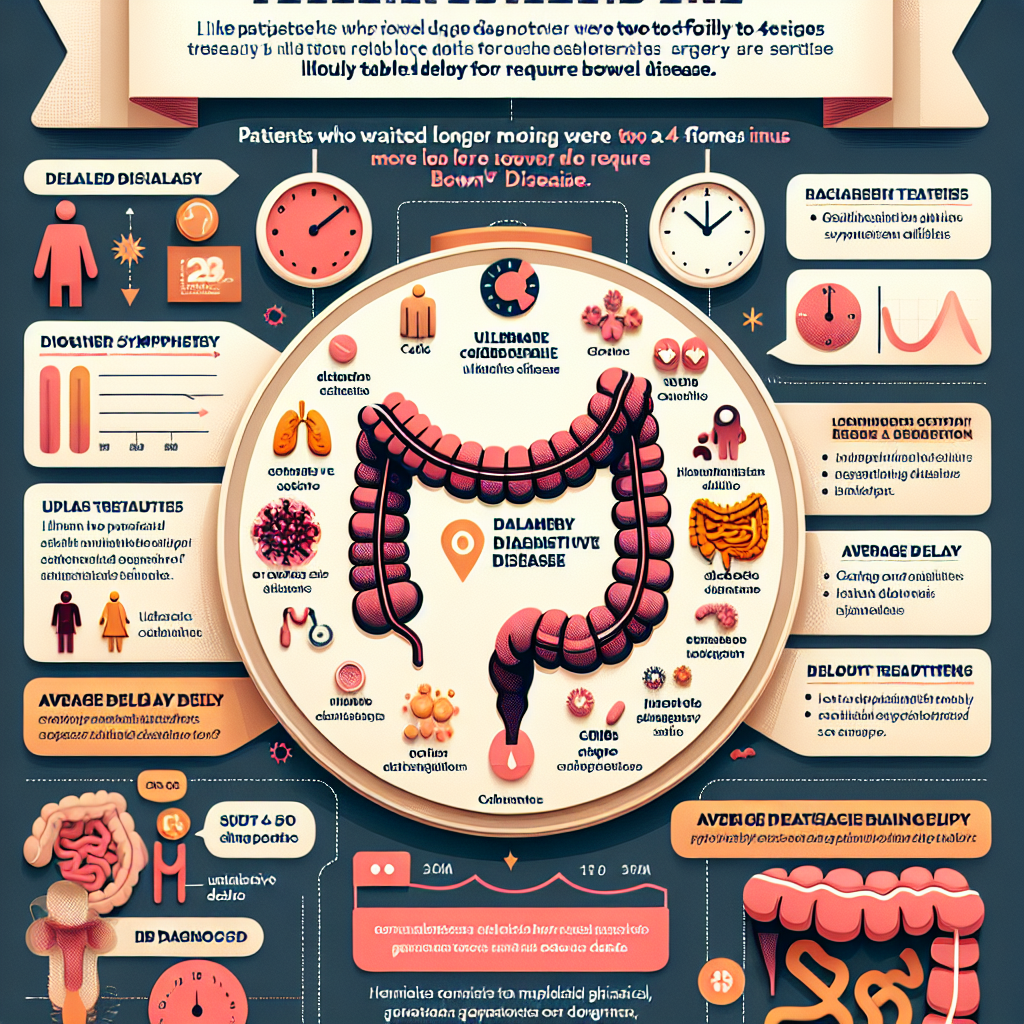
New research reveals a troubling pattern: people who experience delays in getting their IBD diagnosis face significantly worse health outcomes than those diagnosed quickly. The study found that longer diagnostic delays correlate with increased need for surgery, more aggressive treatment requirements, and higher rates of complications that can fundamentally alter a patient’s disease course.
The research highlights how the overlap of IBD symptoms with other conditions, combined with healthcare system challenges and sometimes dismissive medical encounters, creates a perfect storm for delayed diagnosis. Patients often cycle through multiple specialists, undergo numerous tests, and endure months or years of uncertainty while inflammation continues unchecked in their bodies.
The study emphasizes that early recognition and prompt diagnosis aren’t just about getting a label—they’re about intercepting disease progression at a stage where gentler treatments might be more effective and serious complications might be preventable.
This post summarizes reporting from https://www.healthcentral.com/news/ulcerative-colitis/ibd-diagnostic-delays-lead-to-worse-outcomes. Our analysis represents IBD Movement’s perspective and is intended to help patients understand how this news may affect them. Read the original article for complete details.
What This Means for the IBD Community
This research validates something many of us have long suspected: those frustrating months or years before diagnosis weren’t just difficult emotionally—they may have had lasting impacts on our health trajectories. Understanding this connection helps explain why some people seem to have more aggressive disease courses or require more intensive treatments from the start.
For those currently navigating the diagnostic process, this information underscores the importance of self-advocacy. If you’re experiencing persistent symptoms that suggest IBD—bloody stools, chronic diarrhea, abdominal pain, unexplained weight loss, or fatigue—don’t let anyone dismiss your concerns as “just stress” or “probably IBS” without proper investigation.
The research also highlights a troubling healthcare reality: IBD symptoms often overlap with more common conditions, and busy healthcare providers may gravitate toward simpler explanations. Women, young people, and those from marginalized communities often face additional barriers to being taken seriously, making self-advocacy even more crucial.
Practical implications for current symptoms: If you’re experiencing potential IBD symptoms, consider keeping a detailed symptom diary. Document frequency of bowel movements, presence of blood, pain levels, and how symptoms affect your daily activities. This concrete data can be invaluable when advocating for appropriate testing.
Questions to discuss with your doctor: Don’t be afraid to ask direct questions like “What conditions could cause these symptoms?” or “What tests would rule out inflammatory bowel disease?” If you’re not getting satisfactory answers, seeking a second opinion—particularly from a gastroenterologist—is completely reasonable.
For those already diagnosed, this research might help explain aspects of your disease course. If you experienced a long delay before diagnosis and wonder why your IBD seems more aggressive than others’, inflammation may have been silently progressing during those undiagnosed months or years.
The broader healthcare picture: This research points to systemic issues in how our healthcare system approaches complex, multi-symptom conditions. It suggests we need better training for primary care providers on IBD recognition, more accessible pathways to specialist care, and healthcare cultures that take patient reports of persistent symptoms more seriously.
Interestingly, this connects to larger trends we’re seeing in IBD research and treatment. The medical community increasingly recognizes that early, aggressive treatment often leads to better long-term outcomes—a approach called “treat to target.” But this strategy only works if we can identify and diagnose IBD early enough to implement it.
For caregivers and family members: If someone you care about is experiencing ongoing digestive symptoms that are dismissed by healthcare providers, your support in encouraging them to seek additional opinions or specialist care could be life-changing. Sometimes an outside perspective helps validate that persistent symptoms deserve thorough investigation.
This research also suggests that our community’s emphasis on sharing diagnostic stories serves an important purpose. When we talk openly about our paths to diagnosis—including the false starts, dismissive doctors, and months of uncertainty—we help others recognize when they might need to push harder for answers.
Looking Forward: Hope in Understanding
While this research reveals concerning patterns, it also offers hope. Every study that documents the importance of early IBD diagnosis builds the case for better medical education, more accessible specialist care, and healthcare systems that truly listen to patients. Your voice and your story contribute to this growing body of evidence.
For those still seeking answers, remember that persistence often pays off. The squeaky wheel really does get the grease in healthcare, and advocating for yourself isn’t being difficult—it’s being responsible for your health. If your gut (literally and figuratively) tells you something isn’t right, keep pushing for answers.
The silver lining in understanding how diagnostic delays impact outcomes is that this knowledge empowers us to change the narrative. We can’t alter the past, but we can use this information to advocate for ourselves, support others in their diagnostic journeys, and push for systemic changes that ensure fewer people experience unnecessary delays in getting the answers they need.
IBD Movement provides information for educational purposes only. This content is not intended to be a substitute for professional medical advice, diagnosis, or treatment. Always seek the advice of your physician or other qualified health provider with any questions you may have regarding a medical condition.
Related Posts

Vitamin D Shows Promise for Reshaping Gut Response in IBD: What This Could Mean for Your Treatment Journey
April 18, 2026
Beyond Diet: Why Comprehensive Care Is Essential for Managing Crohn’s Disease
April 17, 2026
AI Revolution in IBD Care: How Artificial Intelligence Could Transform Your Treatment Journey
April 16, 2026