New Hope: Revolutionary Crohn’s Therapy Enters Clinical Trials
There’s something profoundly isolating about explaining to others that your body is fighting a war they can’t see. For those of us living with perianal Crohn’s disease—one of the most challenging forms of IBD—that invisible battle can feel particularly relentless. The fistulas, the infections, the constant cycle of pain and healing that never quite completes itself. We’ve watched promising treatments come and go, often priced out of reach or requiring procedures that feel more daunting than the disease itself.
But sometimes, when you least expect it, hope arrives in a form you never imagined. And today, that hope comes wrapped in cutting-edge science that could change everything for our community.
Summary of MedPage Today reporting
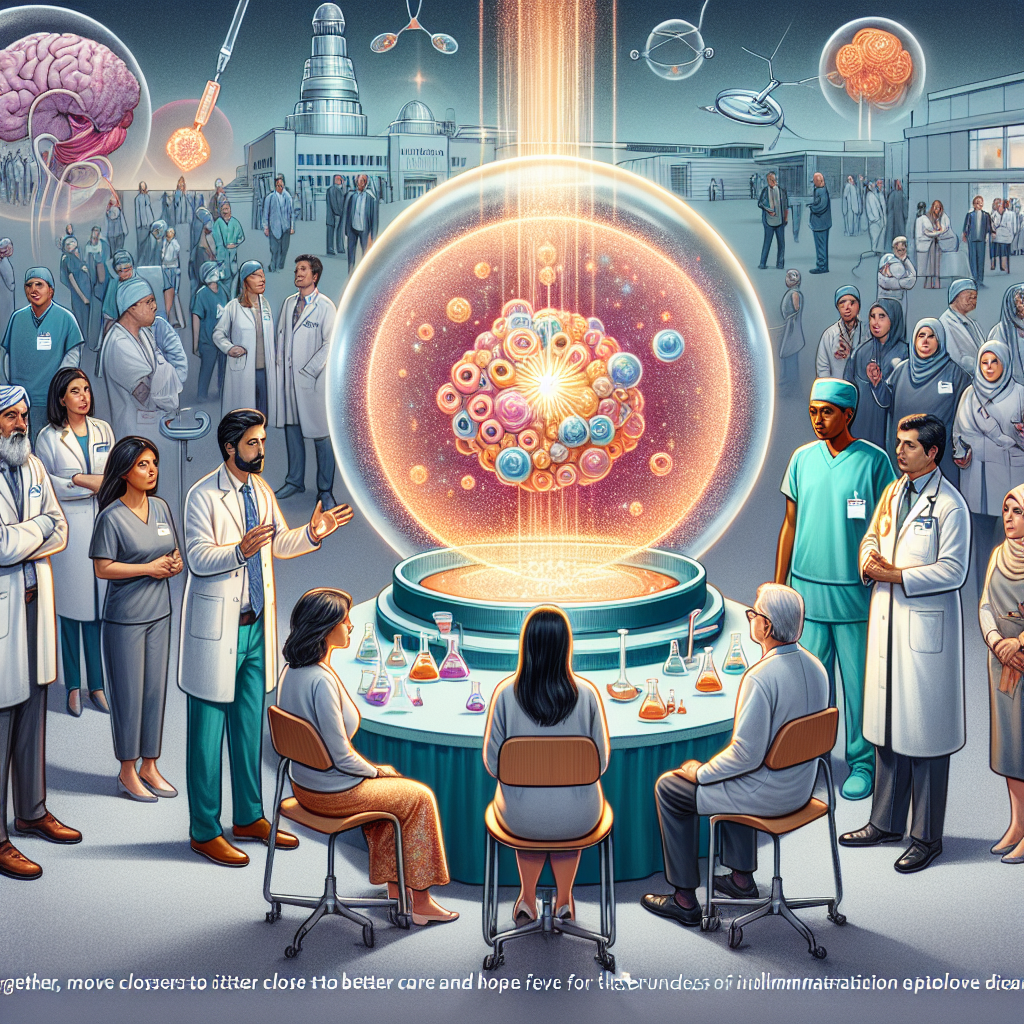
Researchers at the Hudson Institute have developed a groundbreaking therapy for complex fistulising perianal Crohn’s disease using extracellular vesicles (EVs) harvested from human amniotic epithelial cells. Unlike traditional stem cell treatments, this approach avoids many of the cost and logistical challenges that have made advanced therapies inaccessible to many patients. The treatment has now entered clinical trials, representing a significant step forward for people with this particularly challenging form of Crohn’s disease. If successful, this therapy could offer new hope not just for perianal Crohn’s patients, but potentially for the broader IBD community as well.
This post summarizes reporting from MedPage Today. Our analysis represents IBD Movement’s perspective and is intended to help patients understand how this news may affect them. Read the original article for complete details.
What This Means for the IBD Community
Let’s be honest about where we stand today with perianal Crohn’s disease. If you’re living with this condition, you know the frustration of treatments that promise much but deliver little. Traditional approaches often involve a cocktail of immunosuppressants, biologics, and sometimes surgical interventions that can leave you feeling like you’re constantly trading one problem for another. The reality is stark: many patients cycle through years of partial relief, setbacks, and the emotional toll of managing a condition that significantly impacts quality of life.
What makes this new therapy particularly exciting isn’t just the science—it’s the practical implications. Extracellular vesicles are essentially the beneficial components of stem cells without the cells themselves. Think of them as tiny packages carrying all the healing instructions that stem cells would normally deliver, but in a form that’s potentially easier to produce, store, and administer. This could mean shorter treatment times, lower costs, and fewer logistical hurdles that currently keep advanced therapies out of reach for many patients.
For those unfamiliar with perianal Crohn’s, this condition involves abnormal connections (fistulas) that form between the intestine and the skin around the anus. These fistulas can cause persistent drainage, pain, and infections that dramatically impact daily life. Simple activities like sitting, exercise, or even choosing what to wear can become complex decisions influenced by your symptoms. The psychological impact is equally significant—many patients describe feeling isolated, embarrassed, or limited in their social and professional lives.
The promise of this new therapy extends beyond the immediate treatment potential. It represents a shift toward more personalized, targeted approaches that address the root mechanisms of inflammation and healing rather than simply suppressing immune responses broadly. This could mean fewer systemic side effects and more durable remissions for patients who have struggled with conventional treatments.
From a broader IBD research perspective, this development fits into an exciting trend toward regenerative medicine approaches. We’re seeing similar innovations in stem cell therapies, fecal microbiota transplantation, and other treatments that work with the body’s natural healing processes rather than against them. The success of this therapy could pave the way for similar applications in other forms of IBD, including ulcerative colitis and other Crohn’s disease manifestations.
Questions to Consider for Your Healthcare Team
If you’re living with perianal Crohn’s disease, this news might spark important conversations with your medical team. Consider asking about your current treatment trajectory and whether participating in clinical trials might be appropriate for your situation. Questions might include: How do your current symptoms compare to the inclusion criteria for trials like this? What would need to change in your current treatment plan to make you eligible for emerging therapies? And perhaps most importantly, what does your healthcare provider see as the most promising developments on the horizon for your specific case?
For caregivers and family members, this research offers a window into understanding why maintaining hope is so crucial for IBD patients. The landscape of treatment options is evolving rapidly, and what seems impossible today may become routine tomorrow. Your support in helping navigate clinical trial opportunities, staying informed about emerging treatments, and advocating for access to innovative therapies can make a meaningful difference.
It’s also worth considering how this therapy might change the conversation around IBD treatment timelines. Many patients feel pressure to “try everything” available today, but emerging therapies like this suggest that sometimes the most strategic approach might involve optimizing current treatments while positioning yourself for access to next-generation options as they become available.
The Bigger Picture: Why This Matters Now
This breakthrough comes at a crucial time for the IBD community. We’re facing increasing recognition that one-size-fits-all approaches to chronic disease management aren’t sufficient. Patients are demanding treatments that not only control symptoms but restore quality of life, and researchers are finally developing tools sophisticated enough to deliver on that promise.
The fact that this therapy addresses perianal Crohn’s specifically is significant because this population has been historically underserved by treatment innovations. While we’ve seen remarkable advances in biologics and small molecule therapies for luminal Crohn’s disease and ulcerative colitis, perianal manifestations have remained stubbornly difficult to treat effectively. This research suggests that targeted, localized approaches may be the key to finally making progress for these patients.
What gives me particular optimism about this development is the thoughtful approach to accessibility from the beginning. Too often, breakthrough therapies remain out of reach for average patients due to cost or complexity. By designing a treatment that sidesteps some of the traditional barriers associated with stem cell therapies, these researchers are acknowledging that innovation without accessibility isn’t truly innovation at all.
The clinical trial phase will be crucial not just for establishing efficacy and safety, but for understanding how this therapy might fit into existing treatment algorithms. Will it be a first-line option for newly diagnosed perianal Crohn’s patients? A salvage therapy for those who’ve failed conventional approaches? Or perhaps a bridge treatment that could help patients achieve stability before transitioning to maintenance therapies?
As we await results from these trials, it’s important to remember that hope and realistic expectations aren’t mutually exclusive. Clinical trials can take years to complete, and not all promising therapies ultimately prove successful. But the very fact that researchers are pursuing innovative approaches with patient accessibility in mind represents a fundamental shift in how we think about IBD treatment development.
For our community, this news serves as a reminder that our individual stories and struggles contribute to a larger narrative of progress. Every patient who participates in research, every caregiver who advocates for better treatments, and every healthcare provider who refuses to accept “good enough” as the standard of care is part of pushing this field forward. This therapy exists because patients and researchers refused to accept that perianal Crohn’s disease was simply something to be endured rather than truly treated.
While we celebrate this breakthrough, it’s worth acknowledging that innovation in IBD treatment often comes with its own challenges. As new therapies become available, patients and providers must navigate increasingly complex decisions about treatment sequencing, combination approaches, and long-term planning. This is a good problem to have, but it underscores the importance of strong patient-provider relationships and comprehensive IBD care teams that can help individuals navigate these choices thoughtfully.
The path from clinical trial to widespread availability is rarely straightforward, but having promising options in development provides something invaluable: hope backed by science. For those living with perianal Crohn’s disease today, this research represents validation that your condition matters, that researchers are working specifically on solutions for your needs, and that better days may indeed be ahead.
As we follow the progress of this clinical trial, let’s remember that every advancement in IBD treatment has been built on the experiences, advocacy, and hope of patients who came before us. This therapy represents not just scientific innovation, but a continuation of our community’s refusal to accept limitations as permanent. Whether or not this specific treatment proves to be the answer for you individually, it’s part of a broader movement toward more effective, accessible, and personalized IBD care that benefits all of us.
IBD Movement provides information for educational purposes only. This content is not intended to be a substitute for professional medical advice, diagnosis, or treatment. Always seek the advice of your physician or other qualified health provider with any questions you may have regarding a medical condition.
Related Posts

Vitamin D Shows Promise for Reshaping Gut Response in IBD: What This Could Mean for Your Treatment Journey
April 18, 2026
Beyond Diet: Why Comprehensive Care Is Essential for Managing Crohn’s Disease
April 17, 2026
AI Revolution in IBD Care: How Artificial Intelligence Could Transform Your Treatment Journey
April 16, 2026