IBD Influencers Are Transforming Patient Support: What This Digital Revolution Means for Your Health Journey
Summary of HealthCentral
IBD Movement provides news analysis and insights for the IBD community. Always consult your healthcare provider for personal medical advice.
A New Era of Patient Advocacy
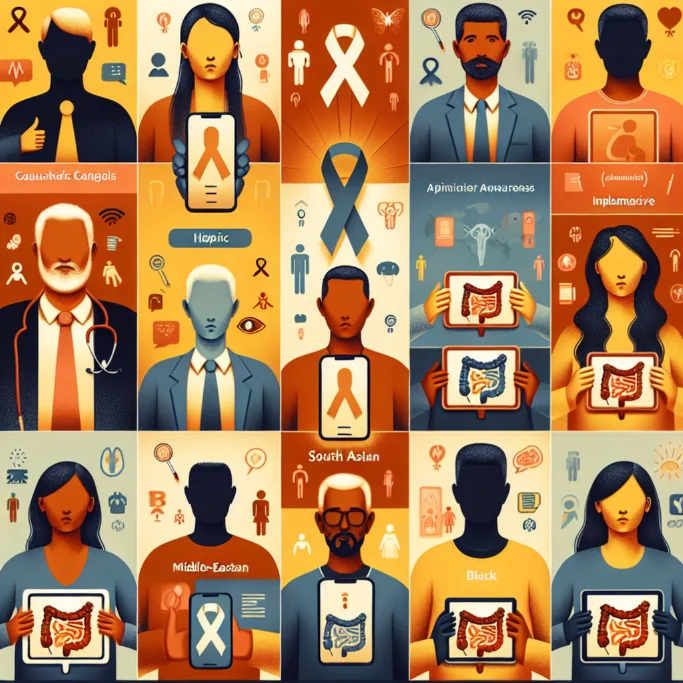
The landscape of inflammatory bowel disease support is experiencing a dramatic transformation. Where once patients relied primarily on medical appointments and support groups for guidance, a new generation of IBD influencers is emerging to fill critical gaps in patient education and community building. This shift represents more than just social media trends—it’s fundamentally changing how people with Crohn’s disease and ulcerative colitis navigate their health journeys, access information, and find the emotional support they desperately need.
For the millions of people living with IBD worldwide, this digital revolution offers unprecedented opportunities to connect with others who truly understand their daily challenges, while also raising important questions about the quality and reliability of health information shared online.
The Growing Influence of Patient Advocates
According to HealthCentral, IBD influencers are gaining significant traction across social media platforms, with many building substantial followings by sharing their personal experiences living with inflammatory bowel disease. These digital advocates are creating content that ranges from daily life management tips to detailed accounts of treatment experiences, offering perspectives that traditional medical resources often don’t provide.
The report highlights how these influencers are filling a crucial void in patient support, particularly for newly diagnosed individuals who may feel overwhelmed by their condition. Many of these advocates have built their platforms around authentic storytelling, sharing both the struggles and victories that come with managing chronic digestive conditions.
The influence extends beyond simple social media posts, with many IBD advocates partnering with healthcare organizations, pharmaceutical companies, and patient advocacy groups to amplify important health messages and promote awareness campaigns. This collaboration between patient voices and established medical institutions represents a significant shift in how health information is disseminated and consumed.
Understanding the Impact on Patient Experience
The rise of IBD influencers represents a fundamental shift in how patients access support and information about their condition. For many people with Crohn’s disease or ulcerative colitis, these digital advocates serve as bridges between the clinical world of gastroenterology and the lived reality of managing a chronic condition.
One of the most significant impacts is the democratization of patient education. Traditional medical resources, while authoritative, often fail to address the nuanced daily challenges that IBD patients face. Questions like “How do I explain my condition to friends?” or “What does a flare-up actually feel like?” are better answered by someone who has lived through these experiences rather than clinical literature alone.
The psychological benefits cannot be understated. Many people with IBD report feeling isolated, particularly during the early stages of their diagnosis. Seeing influencers openly discuss topics like bathroom urgency, medication side effects, or the emotional toll of chronic illness helps normalize these experiences and reduces the shame that many patients carry.
However, this shift also raises important considerations about health information quality. While personal experiences are invaluable, they don’t replace medical expertise. The challenge lies in helping patients distinguish between helpful personal insights and medical advice that should come from qualified healthcare providers.
The influence extends to treatment decision-making as well. When influencers share their experiences with specific medications, dietary approaches, or surgical procedures, they can significantly impact how other patients perceive these options. This can be beneficial when it encourages patients to explore evidence-based treatments they might not have considered, but it can also be problematic if it leads to unrealistic expectations or delays in seeking appropriate medical care.
From a healthcare provider perspective, this trend is creating both opportunities and challenges. Many gastroenterologists report that their patients arrive at appointments with more questions and greater awareness of treatment options, which can facilitate more productive discussions. However, they also encounter patients who may have unrealistic expectations based on individual success stories they’ve seen online.
The commercial aspect of influencer culture also intersects with IBD advocacy in complex ways. Many successful IBD influencers receive compensation for promoting products, treatments, or services. While this can provide valuable income for people managing expensive chronic conditions, it also raises questions about potential conflicts of interest and the authenticity of recommendations.
Perhaps most importantly, the rise of IBD influencers is changing the narrative around inflammatory bowel disease. Instead of being defined solely by medical terminology and clinical outcomes, IBD is increasingly being discussed in terms of resilience, adaptation, and quality of life. This shift toward a more holistic view of the condition aligns with growing recognition in the medical community that successful IBD management extends far beyond achieving clinical remission.
Medical Professional Perspectives
Healthcare providers generally view the rise of IBD influencers as a double-edged sword. Many gastroenterologists appreciate that these advocates are increasing disease awareness and encouraging people to seek medical care for symptoms they might otherwise ignore. The destigmatization of IBD through open discussion is particularly valuable in helping patients feel more comfortable discussing sensitive symptoms.
However, medical professionals emphasize the importance of patients discussing any information they encounter online with their healthcare team. Treatment decisions should always be individualized based on specific medical history, current symptoms, and comprehensive evaluation by qualified providers. What works for one influencer may not be appropriate or safe for another patient with seemingly similar circumstances.
Patients should consider bringing questions inspired by influencer content to their medical appointments, using these discussions as starting points for conversations about treatment options rather than as definitive medical guidance.
Practical Implications for IBD Patients
- Enhanced peer support: Access to a broader community of people who understand the daily realities of living with IBD, providing emotional support and practical tips
- Increased treatment awareness: Exposure to a wider range of treatment options and management strategies that patients can discuss with their healthcare providers
- Improved advocacy skills: Learning from influencers who effectively communicate with healthcare providers and navigate the medical system
- Reduced isolation: Connection with others who share similar experiences, helping combat the loneliness that often accompanies chronic illness
- Critical evaluation skills: The need to develop better abilities to assess the credibility and applicability of health information encountered online
Looking Forward
The rise of IBD influencers reflects a broader transformation in how patients engage with their healthcare and seek support for chronic conditions. This digital revolution offers tremendous potential for improving patient outcomes through enhanced peer support, increased awareness, and reduced stigma around inflammatory bowel disease.
As this trend continues to evolve, the key will be maintaining a balance between leveraging the power of personal storytelling and ensuring that medical decision-making remains grounded in evidence-based care. The most successful approach will likely involve collaboration between patient advocates, healthcare providers, and medical institutions to create resources that combine authentic patient experiences with reliable medical information.
For people living with IBD, this means having access to richer, more diverse sources of support and information than ever before—while also bearing the responsibility to critically evaluate this information and maintain strong partnerships with their healthcare teams.
Source: This post summarizes reporting from HealthCentral. Read the original article.
Related Posts

Beyond Diet: Why Comprehensive Care Is Essential for Managing Crohn’s Disease
April 17, 2026
AI Revolution in IBD Care: How Artificial Intelligence Could Transform Your Treatment Journey
April 16, 2026
JAK Inhibitors in Crohn’s Disease: Navigating Safety Concerns and Treatment Decisions
April 15, 2026