Finding Strength Through Sport: How Wrestling Helped One Person Battle Life-Threatening Challenges
Summary of CBC
IBD Movement provides news analysis and insights for the IBD community. Always consult your healthcare provider for personal medical advice.
When facing the daily battles that come with inflammatory bowel disease, many of us search for sources of strength beyond medical treatments. Whether it’s the mental fortitude to push through a flare-up, the determination to maintain normalcy during challenging times, or the resilience needed to navigate complex treatment decisions, finding that inner strength can be transformative. A recent story from CBC highlights how one person discovered that the discipline and mental toughness developed through wrestling became a lifeline during their darkest moments—a powerful reminder that the skills we build in one area of life can become our greatest assets when facing health challenges.
The Power of Mental Resilience in Overcoming Health Challenges
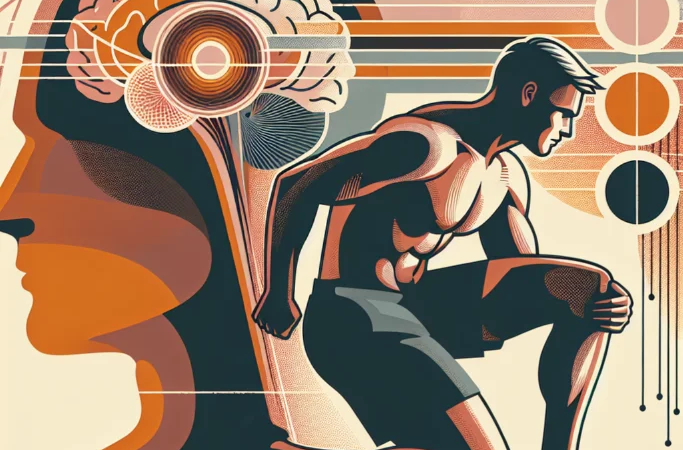
According to CBC, the story explores how wrestling provided more than just physical training—it developed the mental strength necessary to overcome what the author describes as “death’s hold.” While the specific health challenges aren’t detailed in the brief summary available, the narrative centers on how the discipline, determination, and psychological resilience cultivated through wrestling became essential tools for survival and recovery.
The article emphasizes the connection between athletic training and mental fortitude, suggesting that the same qualities that make someone successful in competitive wrestling—persistence, the ability to endure discomfort, strategic thinking under pressure, and refusing to give up—can be directly applied to battling serious health conditions. The wrestling metaphor of escaping from a dangerous hold becomes a powerful analogy for overcoming life-threatening circumstances.
As reported by CBC, this personal account demonstrates how skills developed in one challenging arena can transfer to entirely different but equally demanding situations, particularly when facing health crises that require both physical and mental endurance.
What This Means for the IBD Community
For those of us living with inflammatory bowel disease, this story resonates on multiple levels. IBD is often described as an invisible battle—one that requires tremendous mental strength alongside medical treatment. The parallels between wrestling and managing IBD are striking and offer valuable insights for our community.
The Mental Game of Chronic Illness
Living with Crohn’s disease or ulcerative colitis requires the same type of mental toughness that competitive athletes develop. When you’re dealing with unpredictable flare-ups, the uncertainty of symptom management, or the side effects of medications, you need the psychological resilience to keep fighting. Just as a wrestler learns to stay calm under pressure and find ways to escape difficult positions, people with IBD must develop strategies to navigate the challenging moments that come with chronic illness.
The discipline required in wrestling—showing up to practice even when you don’t feel like it, pushing through discomfort, and maintaining focus on long-term goals—mirrors what many of us experience in managing IBD. There are days when taking medication feels overwhelming, when following dietary restrictions seems impossible, or when attending medical appointments becomes exhausting. The mental strength developed through challenging pursuits like competitive sports can provide the framework for persistence in health management.
Building Resilience Through Structured Challenge
What’s particularly relevant for IBD patients is how structured physical and mental challenges can build the resilience needed for health battles. While not everyone can or should pursue wrestling, the principle applies broadly: engaging in activities that push us beyond our comfort zones—whether that’s yoga, swimming, hiking, or even mental challenges like learning new skills—can develop the psychological tools we need when facing health crises.
For people with IBD, this might mean finding ways to build mental strength during remission periods. When symptoms are well-controlled, engaging in activities that challenge us physically and mentally can create a reservoir of resilience to draw from during more difficult times. This doesn’t mean ignoring the very real limitations that IBD can impose, but rather recognizing that building strength in manageable ways can pay dividends when facing health challenges.
The Importance of Fighting Spirit
Perhaps most importantly, this story highlights the value of maintaining a fighting spirit when dealing with chronic illness. IBD can sometimes feel overwhelming, and it’s natural to experience periods of discouragement or fear. However, developing the mindset of a competitor—someone who sees challenges as obstacles to overcome rather than insurmountable barriers—can be transformative.
This doesn’t mean adopting toxic positivity or ignoring the real difficulties of living with IBD. Instead, it means recognizing that we have more control over our response to challenges than we might initially believe. The skills that help athletes perform under pressure—visualization, breathing techniques, positive self-talk, and strategic thinking—can all be adapted for managing chronic illness.
Community and Support Systems
Wrestling, like many sports, involves both individual effort and team support. Similarly, managing IBD effectively often requires building a strong support network. The story suggests that the lessons learned in wrestling extended beyond individual strength to include understanding when and how to seek help, work with coaches and teammates, and draw strength from community—all crucial elements in IBD management.
Expert Perspective on Mind-Body Connection
Healthcare professionals increasingly recognize the importance of mental health and resilience in managing chronic conditions like IBD. While medical treatment remains the foundation of IBD care, psychological factors play a significant role in outcomes and quality of life.
Gastroenterologists often observe that patients who develop strong coping mechanisms and maintain active lifestyles within their limitations tend to report better overall well-being. The discipline and mental training that come from athletic pursuits can complement medical treatment by providing patients with additional tools for managing stress, maintaining motivation for self-care, and developing the persistence needed for long-term health management.
If you’re inspired by this story, consider discussing with your healthcare team how you might safely incorporate physical activity or mental training techniques into your IBD management plan. They can help you identify appropriate activities based on your current health status and treatment regimen.
Actionable Takeaways for IBD Patients
- Explore safe physical activities that can build both physical and mental strength, always consulting with your healthcare team about appropriate options during different phases of your condition
- Develop mental training techniques such as meditation, visualization, or breathing exercises that can help during challenging moments with your IBD
- Build your support network by connecting with others who understand the challenges of chronic illness, whether through IBD support groups or communities centered around shared interests
- Practice resilience during good days to build psychological reserves for more difficult periods with your condition
- Consider working with mental health professionals who specialize in chronic illness to develop personalized strategies for building mental strength and coping skills
Finding Your Own Source of Strength
While wrestling provided the foundation for strength in this particular story, the broader message applies to all of us in the IBD community: we each have the potential to develop the mental resilience needed to face our health challenges. Whether that strength comes from sports, creative pursuits, spiritual practices, or other meaningful activities, the key is recognizing that building mental toughness is both possible and valuable.
This story serves as an inspiring reminder that the battles we face with IBD, while difficult, are not insurmountable. By developing the right mindset and tools, we can find ways to not just survive our health challenges, but to thrive despite them. What activities or practices have helped you build strength in your own IBD journey? Share your experiences in the comments below—your story might be exactly what another community member needs to hear today.
Source: This post summarizes reporting from CBC. Read the original article.
Related Posts

Beyond Diet: Why Comprehensive Care Is Essential for Managing Crohn’s Disease
April 17, 2026
AI Revolution in IBD Care: How Artificial Intelligence Could Transform Your Treatment Journey
April 16, 2026
JAK Inhibitors in Crohn’s Disease: Navigating Safety Concerns and Treatment Decisions
April 15, 2026