When IBD Causes Kidney Stones: Your Complete Prevention and Management Guide
Introduction
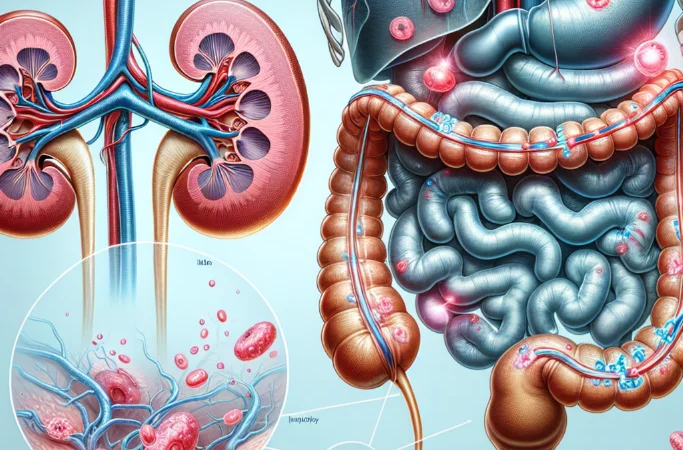
If you’re living with inflammatory bowel disease (IBD), you may have noticed that kidney stones seem to be an unwelcome companion to your condition. This isn’t just bad luck – people with IBD develop kidney stones at rates two to three times higher than the general population. Whether you’ve already experienced the excruciating pain of a kidney stone or you’re concerned about your risk, understanding the unique connection between IBD and kidney stone formation is crucial for your long-term health.
This question matters deeply because kidney stones in IBD patients aren’t just about drinking more water. The complex interplay between chronic inflammation, malabsorption, medications, and dietary restrictions creates a perfect storm for stone formation that requires a specialized approach. Healthcare providers who don’t understand IBD may give you standard kidney stone advice that could actually worsen your IBD symptoms, leaving you caught between two painful conditions.
The Short Answer
IBD creates multiple pathways for kidney stone formation through chronic dehydration, malabsorption of nutrients, medication side effects, and altered gut bacteria. Prevention requires a coordinated approach that addresses hydration, manages malabsorption, monitors medication effects, and carefully balances dietary restrictions from both conditions. Management involves IBD-specific modifications to standard kidney stone protocols.
The Complete Answer
Why IBD Creates the Perfect Storm for Kidney Stones
The relationship between IBD and kidney stones is multifaceted, involving several interconnected mechanisms that standard kidney stone prevention doesn’t address:
Chronic Dehydration and Electrolyte Imbalance: Frequent diarrhea, a hallmark of IBD flares, leads to significant fluid and electrolyte losses. When you’re dehydrated, your kidneys concentrate urine, creating an environment where minerals can crystallize into stones. This isn’t just about drinking more water – IBD-related dehydration often involves losing specific electrolytes that affect how your kidneys process waste.
Malabsorption Creates Mineral Imbalances: Inflammation in your intestines, particularly in Crohn’s disease affecting the small bowel, disrupts the absorption of crucial nutrients. When fat malabsorption occurs, it binds with calcium in your intestines, preventing calcium absorption but allowing more oxalate (a key stone-forming compound) to be absorbed. This creates a dangerous combination: low calcium levels in your body but high oxalate levels in your urine.
Medication-Induced Stone Formation: Several IBD medications can contribute to kidney stone risk. Sulfasalazine can cause crystalluria (crystals in urine), while corticosteroids can increase calcium excretion in urine. Some antibiotics commonly used for IBD complications can also alter the gut bacteria that normally break down oxalate, leading to higher oxalate absorption.
Altered Gut Microbiome: IBD fundamentally changes your gut bacteria composition. Specific bacteria like Oxalobacter formigenes normally break down dietary oxalate in your intestines. When IBD and its treatments disrupt these beneficial bacteria, more oxalate gets absorbed and eventually excreted through your kidneys, increasing stone risk.
IBD-Specific Prevention Strategies
Hydration Beyond Water: While standard advice suggests drinking more water, IBD patients need electrolyte replacement. During active disease, aim for oral rehydration solutions that replace sodium, potassium, and other electrolytes lost through diarrhea. Sports drinks often contain too much sugar and not enough sodium for IBD needs.
Calcium Paradox Management: Unlike general recommendations to limit calcium, people with IBD often need calcium supplementation due to malabsorption. However, timing matters – taking calcium with meals helps bind oxalate in your intestines, preventing its absorption. Your gastroenterologist and nephrologist should coordinate to determine your optimal calcium intake.
Oxalate Management with IBD Dietary Restrictions: Traditional low-oxalate diets may conflict with IBD dietary needs. For example, spinach is high in oxalate but may be well-tolerated during IBD remission. Work with a dietitian experienced in both conditions to create a personalized plan that manages oxalate while maintaining IBD symptom control.
Probiotic Considerations: Specific probiotic strains may help restore oxalate-degrading bacteria. However, people with IBD need to be cautious about probiotic use, especially during active disease or if they have compromised immune systems from medications.
What Patients Should Know
Practical Management Steps
Monitor Your Urine: People with IBD should pay attention to urine color and frequency. Dark, concentrated urine indicates dehydration, while cloudy urine might suggest crystalluria. Keep a simple log during flares to identify patterns.
Coordinate Your Care Team: Your gastroenterologist, nephrologist (kidney specialist), and dietitian need to communicate. Bring a list of all IBD medications to kidney stone appointments, as some treatments may need adjustment.
Key Questions for Your Doctor:
- Should I have regular urine tests to monitor for stone-forming crystals?
- How do my IBD medications affect kidney stone risk?
- What’s my target daily fluid intake considering my IBD symptoms?
- Do I need specialized testing for malabsorption that affects stone formation?
- Should I take probiotics to restore oxalate-degrading bacteria?
Red Flags Requiring Immediate Attention:
- Severe flank or back pain that differs from your typical IBD pain
- Blood in urine, especially if accompanied by pain
- Inability to urinate or decreased urine output
- Fever with urinary symptoms (may indicate infection)
- Nausea and vomiting that’s different from IBD-related symptoms
Emergency Considerations: Kidney stone pain can be confused with IBD flare pain. Kidney stone pain typically starts in the back/flank and may radiate to the groin, while IBD pain is usually abdominal. However, if you’re unsure, seek medical evaluation – kidney stones can cause serious complications if untreated.
Related Questions
How do I balance a low-oxalate diet with IBD trigger foods? This requires individualized planning with a dietitian. Some high-oxalate foods like nuts may trigger IBD symptoms anyway, making elimination easier. However, some low-oxalate foods like dairy may worsen IBD symptoms in lactose-intolerant patients. The key is finding overlap between foods that are low in oxalate and well-tolerated for your IBD.
Can IBD medications be adjusted to reduce kidney stone risk? Sometimes, yes. If you’re on sulfasalazine and developing stones, your doctor might switch to a different 5-ASA medication. However, never adjust IBD medications without medical supervision, as this could trigger a dangerous flare.
What about kidney stone pain during an IBD flare? This creates a diagnostic challenge. Kidney stone pain is typically more severe, starts suddenly, and may radiate to the groin. IBD pain tends to be more crampy and associated with bowel symptoms. When in doubt, seek emergency care – both conditions can have serious complications.
Are there specific supplements that help prevent stones in IBD patients? Magnesium supplementation may help prevent calcium oxalate stones and is often deficient in IBD patients due to malabsorption. Citrate supplements can also help prevent stone formation. However, timing and dosing need to be coordinated with IBD medications to avoid interference with absorption.
The Bottom Line
Kidney stones in people with IBD aren’t just a coincidence – they’re a predictable complication that requires specialized prevention and management strategies. The standard “drink more water and avoid calcium” advice doesn’t work for IBD patients and may actually worsen your overall health.
Success requires a coordinated approach between your gastroenterologist and other specialists, focusing on maintaining hydration with electrolyte balance, managing malabsorption, timing medications appropriately, and creating dietary plans that address both conditions simultaneously.
Don’t wait until you experience a kidney stone to address this risk. If you have IBD, especially Crohn’s disease with small bowel involvement, discuss kidney stone prevention with your healthcare team proactively. With proper management, you can significantly reduce your risk while maintaining good control of your IBD symptoms.
Medical Disclaimer: This information is for educational purposes only and should not replace professional medical advice. Always consult with your healthcare providers before making changes to your treatment plan or diet.
Related Posts

Beyond Diet: Why Comprehensive Care Is Essential for Managing Crohn’s Disease
April 17, 2026
AI Revolution in IBD Care: How Artificial Intelligence Could Transform Your Treatment Journey
April 16, 2026
JAK Inhibitors in Crohn’s Disease: Navigating Safety Concerns and Treatment Decisions
April 15, 2026