IBD Medication Storage During Power Outages: Protecting Your Biologics in Emergencies
Introduction
For people with IBD who rely on temperature-sensitive biologic medications, power outages present a unique and urgent challenge that goes far beyond the typical inconveniences of lost electricity. When the refrigerator stops humming and the lights go out, the clock starts ticking on medications that can cost thousands of dollars and are literally life-changing for managing Crohn’s disease and ulcerative colitis.
This question becomes particularly pressing for those living in disaster-prone areas where hurricanes, wildfires, ice storms, or other natural disasters can knock out power for days or even weeks. Unlike oral medications that can sit safely in a medicine cabinet, biologics like Humira, Remicade, Entyvio, and Stelara require specific storage temperatures to maintain their effectiveness. A single power outage could potentially render an entire supply useless, leaving patients scrambling for replacements during already stressful emergency situations.
Understanding how to protect these critical medications during power outages isn’t just about emergency preparedness—it’s about ensuring continuity of care when you need it most. This guide provides specific, actionable strategies to safeguard your biologic medications during electrical emergencies, from immediate response tactics to long-term emergency planning.
The Short Answer
Most biologic IBD medications can safely remain at room temperature for 14-30 days (depending on the specific medication), giving you a crucial window during power outages. However, immediate action is required: document the outage time, avoid opening the refrigerator unnecessarily, and implement cooling strategies if the outage extends beyond 24 hours. Always contact your healthcare provider and pharmacy as soon as possible to assess medication viability and arrange replacements if needed.
The Complete Answer
The key to protecting biologic medications during power outages lies in understanding both the temperature stability of your specific medication and implementing a tiered response strategy based on outage duration.
Immediate Response (First 4-6 Hours)
When power first goes out, your refrigerator becomes a sealed cooler. A full refrigerator can maintain safe temperatures (35-46°F) for up to 6 hours if unopened, while a half-full unit typically stays cold for about 4 hours. Resist the urge to check on your medications—every time you open the door, you’re releasing precious cold air.
Document the exact time the power went out and the temperature of your refrigerator if you have a thermometer inside. This information will be crucial for determining medication viability later. Most biologics like adalimumab (Humira), infliximab (Remicade), and vedolizumab (Entyvio) can tolerate brief temperature excursions above refrigeration range without losing potency.
Short-Term Strategies (6-24 Hours)
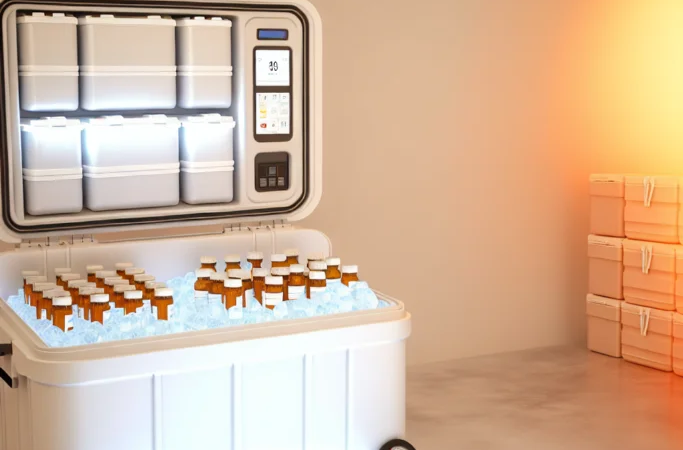
If the outage extends beyond 6 hours, it’s time to implement active cooling measures. Ice packs and coolers become your primary tools, but proper technique is essential. Never place medications directly on ice—this can cause freezing, which permanently damages biologics. Instead, create a buffer zone using towels or bubble wrap.
The ideal setup involves a high-quality cooler with frozen gel packs placed at the bottom, covered by a towel, with medications placed on top, and additional insulation above. Monitor the internal temperature with a digital thermometer, aiming to maintain 35-46°F. Rotate ice packs every 8-12 hours, adding new frozen packs while removing melted ones.
Extended Outage Management (24+ Hours)
For outages lasting more than 24 hours, you’ll need more sophisticated solutions. Portable power stations or generators can power small medication refrigerators, though these require advance planning and investment. Battery-powered cooling units designed for medications are another option, though they’re typically expensive and have limited capacity.
Community resources become invaluable during extended outages. Many pharmacies, hospitals, and medical facilities have backup power and may allow you to store medications temporarily. Some areas have cooling centers during emergencies that may accommodate medical storage needs. Don’t hesitate to reach out to local emergency services—they often have protocols for helping people with medical needs during disasters.
Medication-Specific Considerations
Different biologics have varying stability profiles at room temperature. Adalimumab (Humira) can remain stable at room temperature for up to 14 days, while ustekinumab (Stelara) may tolerate room temperature for up to 30 days. However, these timeframes assume the medication hasn’t been previously exposed to temperature excursions, so any prior incidents reduce the safe window.
Pre-filled syringes and pens generally have different stability profiles than vials, and once-opened multi-dose vials have shorter stability periods. Always check the specific product information for your exact formulation, as even the same medication can have different storage requirements depending on the manufacturer and packaging.
What Patients Should Know
Emergency Preparedness Essentials
Successful medication protection during power outages requires advance planning. Create an emergency medication kit that includes a high-quality cooler, multiple gel ice packs, a digital thermometer, towels for insulation, and a detailed medication log. Keep this kit easily accessible and ensure all family members know its location.
Maintain an updated medication inventory that includes medication names, strengths, quantities, expiration dates, and specific storage requirements. Take photos of medication labels and store them in cloud storage for easy access during emergencies. This documentation becomes crucial when working with insurance companies or pharmacies for emergency replacements.
Critical Questions for Your Healthcare Team
Discuss these specific questions with your gastroenterologist and pharmacist:
- What is the exact room temperature stability period for my specific biologic medication and formulation?
- How should I document temperature excursions, and what information do you need to assess medication viability?
- What are the procedures for emergency medication replacement, and does my insurance cover disaster-related losses?
- Are there alternative administration schedules or backup medications if my primary biologic is compromised?
- What local resources (hospitals, pharmacies, cooling centers) can provide medication storage during extended outages?
Red Flags and When to Seek Help
Contact your healthcare provider immediately if your medication has been exposed to temperatures above 77°F (25°C) for more than the manufacturer’s specified timeframe, if you notice any changes in medication appearance (cloudiness, particles, color changes), or if you’re unsure about storage conditions during the outage.
Never use medication that has been frozen, even if it later thaws to the correct temperature. Freezing permanently damages the protein structure of biologics, rendering them ineffective and potentially harmful.
Related Questions
What DIY cooling solutions work best for biologic medications during outages?
The most effective DIY solution combines a high-quality cooler with phase-change materials (specialized cooling packs that maintain consistent temperatures). Avoid dry ice, which can freeze medications, and regular ice, which creates temperature fluctuations. Battery-powered fans can help circulate air in coolers for more even temperature distribution.
How do I document medication storage issues for insurance claims?
Create a detailed timeline including power outage start/end times, temperature readings, cooling measures taken, and photos of your setup. Contact your insurance company within 24-48 hours to report potential medication loss. Many policies cover prescription medications lost due to power outages under specific circumstances.
What should I include in an evacuation medication kit?
Pack a portable cooler with 72 hours of cooling capacity, all current medications, prescription bottles with current labels, insurance cards, pharmacy contact information, and a letter from your doctor explaining your medical needs. Include backup power sources like portable chargers for any electronic cooling devices.
How far in advance should I request emergency medication refills?
Contact your pharmacy and insurance company at least 72 hours before predicted severe weather. Many insurance plans allow early refills for disaster preparedness, but approval processes can take time. Some pharmacies offer emergency supplies or temporary storage services for regular customers.
The Bottom Line
Protecting biologic IBD medications during power outages requires a combination of immediate response strategies, proper equipment, and advance planning. While most biologics have some room temperature stability, the key is minimizing exposure time and maintaining proper documentation throughout the emergency.
The most important step you can take today is creating an emergency medication plan that includes proper cooling equipment, emergency contacts, and detailed medication information. Don’t wait for the next storm warning—prepare now while you have time to research options and gather supplies.
Remember that emergency services, healthcare providers, and pharmacies are there to help during disasters. Don’t hesitate to reach out for assistance with medication storage or replacement. Your health management doesn’t pause during emergencies, and with proper preparation, you can maintain your treatment regimen even when the power goes out.
Medical Disclaimer: This information is for educational purposes only and should not replace professional medical advice. Always consult with your healthcare provider about specific medication storage questions and emergency planning for your individual situation.
Related Posts

Beyond Diet: Why Comprehensive Care Is Essential for Managing Crohn’s Disease
April 17, 2026
AI Revolution in IBD Care: How Artificial Intelligence Could Transform Your Treatment Journey
April 16, 2026
JAK Inhibitors in Crohn’s Disease: Navigating Safety Concerns and Treatment Decisions
April 15, 2026