New Research Links Early IBD Development to Gut Bacteria Changes: What This Means for Patients
Summary of U.S. News & World Report
IBD Movement provides news analysis and insights for the IBD community. Always consult your healthcare provider for personal medical advice.
Understanding the Connection Between Your Gut Microbiome and IBD
If you’re living with IBD or caring for someone who is, you’ve likely wondered about the “why” behind this complex condition. Why did this happen? What triggered it? New research is shedding light on these fundamental questions, revealing fascinating connections between changes in gut bacteria and the early development of inflammatory bowel disease. This emerging evidence could reshape how we understand, prevent, and potentially treat IBD in the future—offering hope for millions of people worldwide who are navigating life with Crohn’s disease or ulcerative colitis.
What the Latest Research Reveals
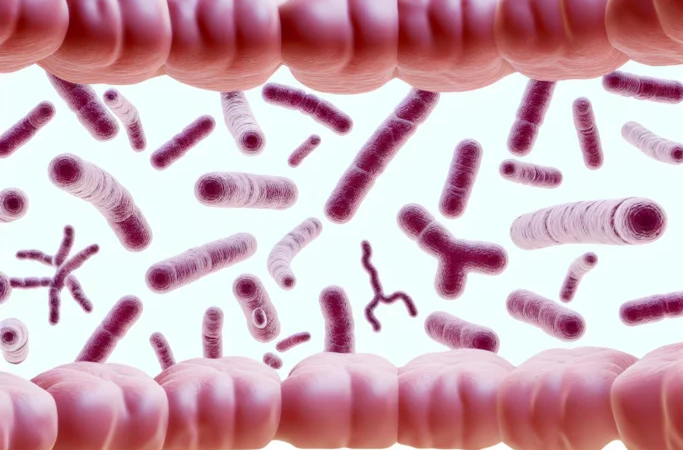
According to U.S. News & World Report, recent scientific evidence has established a compelling link between early IBD development and significant changes in gut bacteria composition. The research highlights how alterations in the gut microbiome—the complex ecosystem of bacteria, viruses, and other microorganisms living in our digestive tract—may play a crucial role in triggering the inflammatory processes that characterize IBD.
As reported by U.S. News & World Report, scientists have observed distinct patterns in the gut bacteria of individuals who later develop IBD, suggesting these microbial changes may occur before the onset of obvious symptoms. The evidence points to a disruption in the delicate balance of beneficial and harmful bacteria that normally maintain intestinal health and regulate immune function.
The research indicates that these bacterial changes don’t happen overnight but rather represent a gradual shift in the gut ecosystem that may begin years before a person receives an IBD diagnosis. This timeline suggests there may be a critical window where intervention could potentially alter disease progression or even prevent IBD from developing in some cases.
What This Discovery Means for the IBD Community
For those of us in the IBD community, this research represents more than just another scientific study—it offers potential answers to questions we’ve been asking for years. Understanding that gut bacteria changes may precede IBD development helps validate what many patients have long suspected: that their condition didn’t appear out of nowhere but rather developed through a complex interplay of factors over time.
This connection between gut bacteria and IBD development fits perfectly into what researchers call the “multiple hit hypothesis.” This theory suggests that IBD results from a combination of genetic predisposition, environmental triggers, immune system dysfunction, and—as this research confirms—microbial imbalances. Think of it like a perfect storm where multiple factors align to create the conditions for IBD to emerge.
The implications for daily life with IBD are significant. If gut bacteria changes are indeed linked to early IBD development, this could explain why some people with IBD notice their symptoms improve or worsen with certain dietary changes, antibiotic use, or probiotic supplementation. It also helps explain why stress, infections, and other factors that can disrupt gut bacteria often trigger IBD flares.
Perhaps most importantly, this research opens new avenues for both prevention and treatment. If we can identify the specific bacterial changes that precede IBD development, we might be able to develop screening tools to identify at-risk individuals before symptoms appear. This could be particularly valuable for family members of people with IBD, who already face higher genetic risk.
The research also suggests that therapeutic approaches targeting the gut microbiome could become increasingly important in IBD management. While we’ve seen promising results with fecal microbiota transplantation (FMT) in some IBD patients, this new understanding could lead to more targeted microbial therapies designed to restore healthy bacterial balance.
For patients currently managing IBD, this research reinforces the importance of maintaining gut health through dietary choices, stress management, and careful antibiotic use. While we can’t change our genetic predisposition to IBD, we may have more influence over our gut bacteria than previously understood.
This discovery also highlights why personalized medicine approaches are becoming increasingly important in IBD care. If bacterial changes vary between individuals, treatment approaches may need to be tailored to each person’s unique microbial profile. This could explain why some medications work brilliantly for one person with IBD but provide little benefit for another with seemingly similar symptoms.
Expert Perspective on Microbiome Research
Gastroenterologists and IBD specialists have long recognized the importance of the gut microbiome in inflammatory bowel disease, but this research provides stronger evidence for its role in disease initiation rather than just progression. Medical experts typically emphasize that while this research is promising, it’s important to remember that IBD is a complex, multifactorial condition.
Healthcare providers often recommend that patients focus on evidence-based approaches to supporting gut health, including maintaining a balanced diet, managing stress, and working closely with their medical team to optimize treatment. Patients should discuss any significant dietary changes or supplement additions with their healthcare providers, as individual responses to microbiome-targeted interventions can vary significantly.
Practical Implications for IBD Patients
- Enhanced awareness of gut health factors: Understanding that bacterial changes may precede IBD symptoms can help patients and families recognize the importance of maintaining gut health through lifestyle choices
- Informed discussions with healthcare providers: This research provides a framework for discussing microbiome-targeted therapies and preventive strategies with your medical team
- Future screening possibilities: Family members of IBD patients may benefit from future screening tools that could identify bacterial changes before symptoms develop
- Validation of dietary experiences: Many patients have noticed connections between diet, gut health, and IBD symptoms—this research provides scientific backing for these observations
- Hope for targeted treatments: The research opens doors for more personalized, microbiome-focused therapeutic approaches that could complement existing IBD treatments
Looking Ahead: A More Complete Understanding of IBD
This research represents a significant step forward in our understanding of IBD development, offering hope for better prevention and treatment strategies in the future. While we’re still in the early stages of translating this knowledge into clinical applications, the connection between gut bacteria changes and early IBD development provides valuable insights that could benefit current and future patients.
For the IBD community, this research reinforces that we’re not just passive recipients of a chronic condition—there are factors within our influence that may help us better manage our health. As research continues to evolve, staying informed and maintaining open communication with healthcare providers will be key to accessing new developments in IBD care.
What are your thoughts on this connection between gut bacteria and IBD development? Have you noticed connections between your gut health and IBD symptoms? Share your experiences in the comments below—your insights could help others in our community better understand their own IBD journey.
Source: This post summarizes reporting from U.S. News & World Report. Read the original article.
Related Posts

Beyond Diet: Why Comprehensive Care Is Essential for Managing Crohn’s Disease
April 17, 2026
AI Revolution in IBD Care: How Artificial Intelligence Could Transform Your Treatment Journey
April 16, 2026
JAK Inhibitors in Crohn’s Disease: Navigating Safety Concerns and Treatment Decisions
April 15, 2026