IBD and Altitude Changes: A Complete Guide to Managing Symptoms During Mountain Living
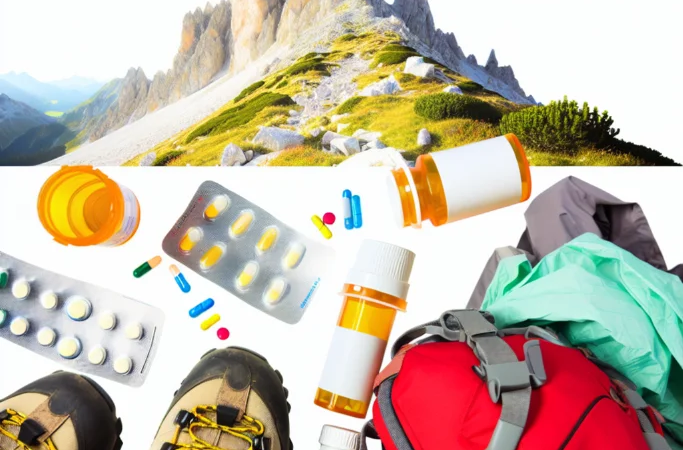
Whether you’re dreaming of relocating to the breathtaking mountains of Colorado, planning an extended skiing vacation in the Alps, or considering a move to a high-altitude city for work, living with inflammatory bowel disease (IBD) adds unique considerations to your mountain adventure. The thin air, reduced oxygen levels, and environmental changes at altitude can significantly impact how your body processes medications, maintains hydration, and manages IBD symptoms.
This comprehensive guide addresses the specific challenges that people with Crohn’s disease and ulcerative colitis face when transitioning to or visiting high-altitude locations above 8,000 feet. You’ll discover evidence-based strategies for adjusting your medication regimen, preventing altitude-induced dehydration that can trigger devastating flares, and distinguishing between altitude sickness symptoms and changes in your IBD presentation.
From understanding how reduced atmospheric pressure affects drug absorption to creating an altitude-specific emergency plan for IBD flares, this resource empowers you to pursue your mountain dreams while maintaining optimal digestive health. Whether you’re a weekend warrior heading to high-altitude hiking destinations or permanently relocating to mountain communities, the insights in this guide will help you navigate the unique intersection of IBD management and altitude living with confidence.
Understanding the IBD-Altitude Connection
High-altitude environments present a complex web of physiological challenges that can significantly impact IBD management. At elevations above 8,000 feet, atmospheric pressure drops dramatically, reducing the partial pressure of oxygen and triggering a cascade of bodily adaptations that directly influence digestive health and medication effectiveness.
For people with IBD, these altitude-induced changes create a perfect storm of potential complications. The reduced oxygen availability forces your cardiovascular system to work harder, potentially diverting blood flow from the digestive tract. This decreased intestinal blood flow can impair nutrient absorption, slow medication uptake, and compromise the already vulnerable intestinal barrier function that characterizes both Crohn’s disease and ulcerative colitis.
Research published in the Journal of Travel Medicine indicates that rapid ascent to high altitudes can trigger inflammatory responses throughout the body, potentially exacerbating the chronic inflammation that drives IBD symptoms. Additionally, the stress of altitude adaptation activates the hypothalamic-pituitary-adrenal axis, releasing cortisol and other stress hormones that can disrupt the delicate balance of gut microbiota and intestinal permeability.
Many IBD patients relocating to mountain communities report experiencing symptom changes within the first 2-4 weeks of altitude exposure, including increased bowel movement frequency, changes in stool consistency, and heightened fatigue that extends beyond typical altitude adjustment periods. Understanding these connections helps you prepare proactively rather than reactively managing unexpected symptom changes.
Medication Absorption and Dosing Adjustments at Altitude
One of the most critical yet overlooked aspects of IBD management at high altitude involves how reduced atmospheric pressure and physiological changes affect medication absorption and effectiveness. The combination of decreased oxygen levels, altered blood flow patterns, and potential dehydration can significantly impact how your body processes both maintenance medications and rescue therapies.
Oral Medication Considerations
Oral IBD medications, including mesalamine formulations, immunomodulators like azathioprine, and newer biologics in pill form, may experience altered absorption rates at altitude. The reduced intestinal blood flow common during altitude adaptation can slow drug uptake, potentially requiring dosing adjustments under medical supervision.
For immediate-release medications, consider taking doses with slightly more water than usual to counteract altitude-induced dehydration effects. Extended-release formulations may be particularly affected, as the controlled-release mechanisms can be disrupted by changes in gastrointestinal transit time that often occur during altitude adjustment.
Injectable Biologics and Altitude
Self-administered biologic injections like adalimumab (Humira), certolizumab (Cimzia), and vedolizumab (Entyvio) require special attention at high altitudes. The reduced atmospheric pressure can affect injection techniques and medication storage. Store biologics according to manufacturer guidelines, but be aware that temperature fluctuations in mountain environments can be more extreme than sea-level locations.
Injection site absorption may be altered due to changes in subcutaneous blood flow at altitude. Some patients report increased injection site reactions during their first month at altitude, which typically resolve as the body adapts to the new environment.
Corticosteroid Considerations
If you’re on prednisone or other corticosteroids for IBD management, altitude can complicate both the medication’s effects and your body’s natural cortisol production. The stress of altitude adaptation can mask or amplify corticosteroid effects, making it crucial to maintain close communication with your healthcare provider during altitude transitions.
Consider keeping a detailed medication response log during your first month at altitude, noting any changes in symptom control, side effects, or the timing of medication effectiveness. This information will be invaluable for your gastroenterologist when making any necessary dosing adjustments.
Preventing Altitude-Induced Dehydration and IBD Flares
Dehydration represents one of the most immediate and preventable triggers for IBD flares at high altitude. The combination of increased respiratory water loss, reduced humidity, and often increased physical activity in mountain environments creates a perfect storm for fluid depletion that can rapidly escalate into a full-blown IBD exacerbation.
Understanding Altitude Dehydration Mechanisms
At high altitudes, your respiratory rate increases to compensate for reduced oxygen availability, leading to significant water loss through increased breathing. Additionally, the kidneys initially produce more urine as your body adjusts to altitude, further depleting fluid reserves. For people with IBD, this baseline dehydration risk is compounded by potential medication-related fluid losses and the already increased fluid needs associated with chronic inflammation.
Mountain environments typically have humidity levels 20-40% lower than sea level, accelerating skin and respiratory water loss. This environmental factor, combined with the common tendency to drink less water due to decreased thirst sensation at altitude, creates a dangerous situation for IBD management.
Proactive Hydration Strategies
Implement a structured hydration protocol beginning 48 hours before ascending to altitude. Aim for 3-4 liters of fluid daily during your first week at altitude, gradually adjusting based on your body’s adaptation and activity level. This represents a 50-75% increase over typical sea-level recommendations for people with IBD.
Choose electrolyte-rich fluids over plain water to replace the minerals lost through increased respiration and urination. Products specifically designed for endurance athletes often provide optimal electrolyte ratios for altitude conditions. Avoid excessive caffeine and alcohol, which can accelerate dehydration and potentially trigger IBD symptoms.
Monitor your hydration status using practical indicators: urine should be pale yellow, you should urinate every 2-3 hours, and your mouth should remain moist. Dark urine, decreased urination frequency, or dry mouth are early warning signs requiring immediate intervention.
Creating an IBD-Specific Hydration Plan
Develop a personalized hydration schedule that accounts for your specific IBD presentation and medication regimen. If you experience frequent diarrhea, increase baseline fluid intake by an additional 500-750ml daily. For those on diuretic medications or experiencing medication-related fluid losses, work with your healthcare provider to establish appropriate fluid replacement protocols.
Consider setting hourly hydration reminders on your phone during the first two weeks at altitude, as thirst sensation can be unreliable during altitude adaptation. Keep a water bottle within arm’s reach at all times, and establish hydration checkpoints throughout your daily routine.
Recognizing Altitude Sickness vs. IBD Symptom Changes
One of the most challenging aspects of IBD management at high altitude involves distinguishing between altitude sickness symptoms and changes in your underlying digestive condition. The overlap between these conditions can lead to delayed treatment, inappropriate interventions, or unnecessary anxiety about disease progression.
Acute Mountain Sickness (AMS) vs. IBD Flare Symptoms
Acute mountain sickness typically develops within 6-24 hours of altitude exposure and includes headache, nausea, fatigue, dizziness, and difficulty sleeping. These symptoms can easily be confused with the systemic effects of an IBD flare, particularly the fatigue, nausea, and general malaise that often accompany Crohn’s disease or ulcerative colitis exacerbations.
Key distinguishing features of AMS include the rapid onset relative to altitude exposure, the presence of significant headache (often described as the worst headache of one’s life), and improvement with descent to lower altitudes. IBD flares typically develop more gradually and don’t improve simply with altitude changes.
However, the nausea associated with AMS can trigger decreased oral intake, potentially leading to medication non-adherence and secondary IBD symptom worsening. This creates a complex clinical picture requiring careful symptom tracking and often medical consultation for proper differentiation.
Gastrointestinal Symptoms: Sorting Out the Causes
Both altitude exposure and IBD can cause abdominal discomfort, changes in bowel habits, and appetite disturbances, making symptom attribution particularly challenging. Altitude-related GI symptoms typically include mild nausea, decreased appetite, and occasionally loose stools due to dietary changes or stress.
IBD-related symptom changes at altitude may include increased bowel movement frequency, changes in stool consistency, abdominal cramping, and blood in stools (for ulcerative colitis patients). These symptoms typically follow patterns consistent with your individual IBD presentation but may be more severe due to altitude-related stressors.
Maintain a detailed symptom diary during altitude transitions, noting the timing, severity, and character of symptoms. Include information about food intake, medication adherence, sleep quality, and stress levels. This comprehensive record will help you and your healthcare provider distinguish between altitude adaptation and IBD activity.
When to Seek Medical Attention
Establish clear criteria for seeking medical attention that account for both altitude sickness and IBD complications. Seek immediate medical care for signs of severe altitude illness, including persistent vomiting, severe headache unresponsive to medication, confusion, or difficulty walking.
For IBD-specific concerns, contact your gastroenterologist if you experience significant increases in bowel movement frequency, new or worsening blood in stools, severe abdominal pain, or signs of dehydration despite aggressive fluid replacement. Don’t assume that all GI symptoms at altitude are related to elevation – your IBD still requires appropriate monitoring and management.
Nutrition and Dietary Strategies for Mountain Living
Maintaining optimal nutrition becomes significantly more challenging at high altitude, particularly for people with IBD who already face absorption issues and dietary restrictions. The combination of decreased appetite, altered taste perception, and increased caloric needs creates a complex nutritional puzzle that requires proactive planning and adaptation.
Altitude-Specific Nutritional Challenges
High altitude exposure typically decreases appetite and alters taste perception, making it difficult to maintain adequate caloric intake. For people with IBD, this appetite suppression compounds existing nutritional challenges and can lead to rapid weight loss, nutrient deficiencies, and increased fatigue.
The increased metabolic demands of altitude adaptation require 300-500 additional calories daily during the first month of exposure. This increased need, combined with decreased intake, creates a significant energy deficit that can compromise immune function and potentially trigger IBD flares.
Focus on calorie-dense, easily digestible foods during altitude adaptation. Healthy fats like avocados, nuts, and olive oil provide concentrated energy without excessive bulk. Complex carbohydrates offer sustained energy and help maintain stable blood sugar levels during the metabolic stress of altitude adaptation.
Managing IBD Dietary Restrictions at Altitude
If you follow specific dietary protocols for IBD management, such as the Specific Carbohydrate Diet or low-FODMAP approach, altitude can complicate adherence and effectiveness. The limited food availability in mountain communities may restrict your usual food choices, requiring creative adaptations to maintain dietary consistency.
Research food availability in your destination before traveling or relocating. Many mountain communities have limited grocery selections, potentially lacking specialized IBD-friendly products. Consider shipping non-perishable staples ahead of your arrival or identifying online ordering options for delivery to mountain locations.
Prepare portable, shelf-stable versions of your go-to IBD-friendly foods. Nut butters, rice cakes, canned fish, and freeze-dried fruits can provide familiar nutrition options when fresh alternatives aren’t available.
Emergency Planning and Medical Access
Living at high altitude often means reduced access to specialized medical care, making emergency planning crucial for people with IBD. The combination of potential altitude-related complications and IBD flare risks requires comprehensive preparation and clear action plans.
Building Your High-Altitude Medical Team
Identify gastroenterology services in your new mountain location before relocating or establish telemedicine relationships with your current providers. Many mountain communities have limited specialist availability, potentially requiring travel to urban centers for IBD-specific care.
Research local emergency departments and their capabilities for managing IBD complications. Some smaller mountain hospitals may have limited experience with IBD emergencies, making it crucial to have clear documentation of your condition, medications, and emergency protocols.
Establish relationships with local pharmacies and confirm they can stock your specific IBD medications. Some biologics may require special ordering or cold storage capabilities that aren’t available at all mountain pharmacies.
Creating an Altitude-Specific Emergency Plan
Develop written emergency protocols that address both IBD complications and altitude-related issues. Include clear criteria for when to descend to lower altitudes, when to seek emergency care, and how to manage medications during emergencies.
Maintain emergency medication supplies including oral corticosteroids (if prescribed), anti-diarrheal medications, electrolyte replacement solutions, and any rescue medications specific to your IBD management plan. Store these supplies in easily accessible locations both at home and in vehicles.
Create emergency contact cards with information about your IBD diagnosis, current medications, allergies, and emergency contacts. Include both your gastroenterologist’s information and local emergency contacts familiar with your condition.
Resources and Tools for IBD Management at Altitude
Successfully managing IBD at high altitude requires access to specialized resources, monitoring tools, and support networks adapted to mountain living challenges.
Mobile Apps and Digital Tools
Several smartphone applications can help monitor both altitude-related changes and IBD symptoms. The “Barometer Plus” app tracks altitude and atmospheric pressure changes, helping you correlate environmental factors with symptom patterns. “MyRA” and “GI Monitor” allow detailed symptom tracking with customizable parameters relevant to altitude living.
Consider using medication reminder apps with GPS functionality that can account for time zone changes during mountain travel. “Medisafe” and “MyTherapy” offer robust reminder systems and medication tracking capabilities essential for maintaining consistent dosing schedules.
Specialized Medical Equipment
Pulse oximeters become valuable tools for people with IBD living at altitude, helping monitor oxygen saturation levels and distinguish between altitude-related symptoms and IBD complications. Maintain oxygen saturation above 90% during altitude adaptation.
Portable electrolyte testing strips can help monitor hydration status and guide fluid replacement strategies. These simple tools provide objective data to supplement subjective symptom assessment.
Support Organizations and Communities
The Crohn’s & Colitis Foundation offers online support groups that can connect you with other IBD patients living in mountain communities. These connections provide invaluable practical advice and emotional support from people facing similar challenges.
Local hiking and outdoor recreation groups often include members with chronic health conditions who can share insights about managing medical needs in mountain environments. Don’t hesitate to reach out to these communities for practical advice and support.
Questions for Your Healthcare Provider
Before relocating to or visiting high-altitude locations, discuss these specific questions with your gastroenterologist:
- How should I adjust my medication timing or dosing for altitude changes?
- What early warning signs should prompt immediate descent to lower altitudes?
- Should I modify my current IBD monitoring routine for altitude living?
- What emergency medications should I carry for high-altitude IBD management?
- How can I distinguish between altitude sickness and IBD symptom changes?
- Are there specific altitude thresholds I should avoid given my IBD severity?
- What telemedicine options are available for ongoing care from mountain locations?
Related Posts

Beyond Diet: Why Comprehensive Care Is Essential for Managing Crohn’s Disease
April 17, 2026
AI Revolution in IBD Care: How Artificial Intelligence Could Transform Your Treatment Journey
April 16, 2026
Acute Severe Ulcerative Colitis in Older Adults: Understanding the Heightened Risks and What It Means for You
April 13, 2026