Revolutionary Wireless Implant Shows Promise for Calming IBD Inflammation Through Nerve Stimulation
Summary of Study Finds
IBD Movement provides news analysis and insights for the IBD community. Always consult your healthcare provider for personal medical advice.
A New Frontier in IBD Treatment
For the millions of people living with inflammatory bowel disease (IBD), the search for effective, long-lasting treatments continues to evolve. Today brings exciting news that could represent a significant breakthrough in how we approach IBD management. A groundbreaking wireless implant technology that targets nerve pathways to reduce inflammation is showing remarkable promise, offering hope for those who have struggled with traditional therapies or experienced challenging side effects from current medications.
This development isn’t just another incremental improvement—it represents a fundamental shift in thinking about how we can harness the body’s own systems to combat the chronic inflammation that defines IBD. For anyone who has experienced the unpredictable nature of flare-ups or the frustration of treatments that work for a while before losing effectiveness, this news offers a glimpse into a future where IBD management could become more precise, predictable, and personalized.
Breaking Down the Research
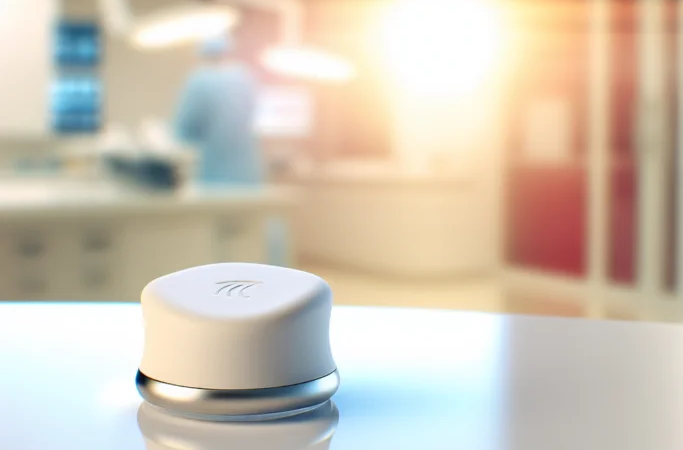
According to Study Finds, researchers have developed a wireless implant device that can effectively calm IBD inflammation by stimulating the vagus nerve, which connects to the spleen. This innovative approach leverages what scientists call the “inflammatory reflex”—the body’s natural mechanism for controlling inflammation through neural pathways.
The device works by delivering targeted electrical stimulation to the vagus nerve, which then signals the spleen to release anti-inflammatory signals throughout the body. According to Study Finds, early research suggests this approach can significantly reduce inflammatory markers associated with IBD without the systemic side effects commonly seen with traditional immunosuppressive medications.
The wireless nature of the implant represents a crucial advancement, as it eliminates the need for external wires or frequent surgical interventions for battery replacement. The device can be controlled and monitored remotely, allowing healthcare providers to adjust treatment parameters based on individual patient needs and disease activity levels.
Study Finds reports that the technology has shown promising results in preliminary studies, with participants experiencing notable reductions in inflammatory bowel symptoms and improved quality of life measures. The research team emphasized that this approach targets the root cause of inflammation rather than simply managing symptoms after they occur.
What This Means for the IBD Community
This breakthrough represents more than just another treatment option—it signals a paradigm shift toward precision medicine in IBD care. For people living with Crohn’s disease or ulcerative colitis, this technology could address some of the most persistent challenges they face with current treatment approaches.
Traditional IBD medications, while often effective, come with significant considerations. Immunosuppressive drugs can increase infection risk, biologics may lose effectiveness over time, and corticosteroids carry long-term health consequences. This nerve stimulation approach offers a fundamentally different mechanism that works with the body’s natural anti-inflammatory systems rather than suppressing immune function broadly.
The implications for daily life could be transformative. Many people with IBD live with the constant uncertainty of when their next flare might occur, despite being on maintenance medications. A device that provides continuous, personalized inflammation control could offer the kind of predictability that allows for better life planning—from career decisions to family planning to simply being able to make dinner plans without worrying about sudden symptom onset.
For those who have developed antibodies to biologic medications or experienced treatment failure with multiple drug classes, this technology represents hope for a new therapeutic pathway. The wireless nature means that treatment adjustments can be made in real-time based on disease activity, potentially preventing flares before they fully develop rather than simply reacting to them after symptoms appear.
The precision aspect is particularly exciting. Unlike medications that affect the entire body, this targeted nerve stimulation approach could theoretically be calibrated to each individual’s specific inflammatory patterns and disease characteristics. This personalization could mean fewer side effects and more consistent symptom control.
From a psychological perspective, having an implanted device that actively works to prevent inflammation could provide the kind of peace of mind that many people with IBD haven’t experienced since their diagnosis. The mental health benefits of feeling more in control of one’s condition cannot be overstated, especially for a disease that can feel unpredictable and overwhelming.
However, it’s important to consider the practical realities. As with any implantable medical device, there will be considerations around surgical risks, device longevity, and the need for specialized medical teams familiar with the technology. The wireless aspect, while convenient, also raises questions about cybersecurity and device reliability that will need to be thoroughly addressed.
This development also fits into the broader trend toward bioelectronics and neuromodulation in medicine. We’re seeing similar approaches being explored for other autoimmune conditions, suggesting that this could be part of a larger revolution in how we treat inflammatory diseases. For the IBD community, being at the forefront of this technological advancement could mean access to increasingly sophisticated treatment options in the coming years.
Expert Perspective and Clinical Considerations
Gastroenterologists and IBD specialists have long recognized the connection between the nervous system and gut inflammation, making this nerve stimulation approach a logical evolution in treatment thinking. The vagus nerve’s role in the inflammatory reflex has been studied for years, and experts in the field have anticipated that targeting this pathway could yield therapeutic benefits.
Healthcare providers will likely emphasize that while this technology shows promise, it will need to undergo rigorous clinical trials to establish safety and efficacy profiles. Patients interested in this development should discuss with their IBD specialist how this might fit into their current treatment plan and whether they might be candidates for future clinical trials.
The integration of this technology into existing IBD care will require specialized training for medical teams and careful patient selection criteria. Not everyone with IBD may be an appropriate candidate, and the technology will likely be reserved initially for those with moderate to severe disease or those who have not responded well to conventional therapies.
Actionable Takeaways for IBD Patients
- Stay informed about clinical trials: If you’re interested in this technology, ask your gastroenterologist about upcoming trials and whether you might be a candidate based on your disease characteristics and treatment history.
- Discuss nerve-gut connections with your doctor: Use this news as an opportunity to explore other ways the nervous system might impact your IBD, including stress management and mind-body approaches to symptom control.
- Evaluate your current treatment satisfaction: Consider whether your current medications are providing adequate symptom control and quality of life, and discuss with your healthcare team whether you might benefit from exploring newer treatment approaches as they become available.
- Document your symptoms and triggers: Detailed symptom tracking could help determine if you might be a good candidate for precision approaches like nerve stimulation therapy in the future.
- Connect with the IBD community: Share this news and discuss it with others who have IBD to stay informed about emerging treatments and patient experiences with innovative therapies.
Looking Toward the Future
This wireless implant technology represents more than just another treatment option—it symbolizes the evolution of IBD care toward more personalized, precise, and patient-friendly approaches. While we await further clinical trials and regulatory approval, this development offers genuine hope for those who have been searching for better ways to manage their condition.
The IBD community has always been resilient and forward-thinking, embracing new treatments and supporting research that could benefit everyone living with these conditions. This nerve stimulation technology deserves our attention and cautious optimism as it moves through the development process.
What aspects of this technology are you most excited about? How do you think wireless implants might change the way we think about IBD management? Share your thoughts and join the conversation about this promising development in our community.
Source: This post summarizes reporting from Study Finds. Read the original article.
Related Posts

Beyond Diet: Why Comprehensive Care Is Essential for Managing Crohn’s Disease
April 17, 2026
AI Revolution in IBD Care: How Artificial Intelligence Could Transform Your Treatment Journey
April 16, 2026
JAK Inhibitors in Crohn’s Disease: Navigating Safety Concerns and Treatment Decisions
April 15, 2026