Navigating IBD Medication Shortages: Your Emergency Action Plan
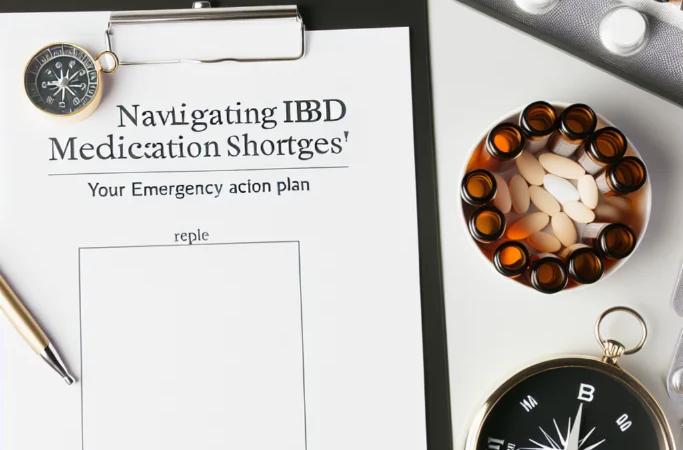
Picture this: You arrive at your pharmacy for your monthly biologic infusion or to pick up your maintenance medication, only to be told it’s temporarily unavailable. Your heart sinks as you realize you have just a few days’ supply left at home. For people with inflammatory bowel disease (IBD), medication shortages aren’t just an inconvenience—they’re a potential health crisis that can trigger flares, hospitalizations, and significant anxiety.
This comprehensive guide is specifically designed for IBD patients who want to prepare for medication shortages before they happen. Whether you’re on biologics like Humira or Remicade, immunomodulators like azathioprine, or other IBD-specific treatments, having an emergency action plan can mean the difference between maintaining remission and experiencing a devastating flare.
You’ll learn how to create a 90-day medication buffer system, identify therapeutic alternatives with your gastroenterologist, navigate insurance emergency protocols, and communicate effectively with your healthcare team during shortage situations. This isn’t about general medication management—it’s about protecting your IBD treatment continuity when supply chains fail.
Understanding IBD Medication Shortages: Why They’re Different
IBD medication shortages present unique challenges that differ significantly from shortages of common medications. Unlike blood pressure or diabetes medications that often have multiple readily available alternatives, many IBD treatments are highly specialized with limited substitution options.
Biologic medications, which many IBD patients rely on for maintaining remission, are particularly vulnerable to shortages due to their complex manufacturing processes. A single production issue at a facility can create months-long supply disruptions. Additionally, the “switching penalty” for IBD patients is severe—changing medications can trigger flares, loss of response to previously effective treatments, and the development of antibodies that render future treatments less effective.
The psychological impact compounds the medical risks. Many IBD patients have fought hard to find their current treatment regimen, often after trying multiple failed medications. The threat of losing access to a working treatment can trigger anxiety, depression, and a sense of helplessness that affects overall health outcomes.
Insurance complications add another layer of complexity. Emergency overrides for alternative medications often require extensive documentation and can take days or weeks to approve—time IBD patients may not have before experiencing symptom return.
Building Your 90-Day Medication Buffer System
Creating a medication buffer is your first line of defense against IBD treatment interruptions. This system requires strategic planning with your healthcare team and pharmacy to legally and safely stockpile medication supplies.
Establishing Your Buffer Timeline
Start building your buffer at least 6 months before you anticipate needing it. Work with your gastroenterologist to request 90-day prescription fills instead of 30-day supplies. Many insurance plans allow 90-day fills for maintenance medications, and specialty pharmacies often prefer this approach for biologics to reduce shipping costs and improve adherence.
For injectable biologics, coordinate with your specialty pharmacy to receive shipments 7-10 days before your current supply expires. This creates a natural buffer that accumulates over time. Always check expiration dates and rotate stock using the “first in, first out” principle.
Proper Storage Protocols
IBD medications often have strict storage requirements that affect their potency and safety. Biologics requiring refrigeration should be stored in the main refrigerator compartment (not the door) at 36-46°F. Invest in a refrigerator thermometer and consider a backup power source or cooler system for power outages.
For oral medications like immunomodulators, store in a cool, dry place away from bathroom humidity and kitchen heat. Create a medication log tracking expiration dates, lot numbers, and storage conditions. This documentation becomes crucial if you need to demonstrate proper storage to insurance companies or healthcare providers during shortage situations.
Legal and Insurance Considerations
Work transparently with your healthcare team when building medication buffers. Document your shortage preparedness plan in your medical records and ensure your gastroenterologist supports this approach. Some insurance plans have quantity limits that require prior authorization for larger supplies, so start this process early.
Never share or sell excess medication, even to other IBD patients. This is illegal and dangerous, as medications are prescribed based on individual medical histories, current treatments, and specific disease patterns.
Identifying Therapeutic Alternatives and Cross-Coverage Options
Developing a therapeutic alternatives plan with your gastroenterologist is essential for navigating medication shortages safely. This process involves identifying backup treatments that can maintain your remission without compromising your long-term treatment options.
Creating Your Alternative Medication Hierarchy
Work with your GI team to establish a prioritized list of alternative treatments based on your medical history, previous medication responses, and current disease activity. This hierarchy should include both short-term bridge therapies and longer-term alternatives.
For biologic users, discuss whether switching within the same drug class (like moving from one TNF inhibitor to another) or changing to a different mechanism of action makes more sense for your situation. Document any previous adverse reactions, treatment failures, or antibody development that would eliminate certain alternatives.
Include information about oral alternatives that might serve as temporary bridges. For example, some patients on biologics might temporarily use higher-dose oral medications like methotrexate or azathioprine while waiting for their preferred biologic to become available again.
Biosimilar Options and Considerations
Understand your biosimilar options before you need them. If you’re on an originator biologic like Remicade, identify approved biosimilars like Inflectra or Renflexis that your insurance covers. Discuss with your gastroenterologist whether biosimilar switching is appropriate for your situation and what monitoring would be required.
Keep in mind that biosimilar switching during a shortage may be easier from an insurance perspective than switching to entirely different drug classes, but it still requires careful medical supervision and monitoring for efficacy and safety.
Compounding and Off-Label Alternatives
For certain oral IBD medications, compounding pharmacies may be able to create alternatives during shortages. Discuss this option with your gastroenterologist and identify compounding pharmacies in your area that specialize in gastroenterology medications.
Your GI team may also consider off-label uses of available medications. For example, antibiotics like metronidazole might be used short-term for Crohn’s disease flares when primary treatments are unavailable, though this requires careful medical supervision.
Mastering Insurance Emergency Overrides and Prior Authorizations
Insurance navigation during medication shortages requires understanding emergency protocols and knowing how to expedite approvals for alternative treatments. This knowledge can save crucial days or weeks when your regular medication becomes unavailable.
Understanding Emergency Override Procedures
Contact your insurance company’s pharmacy benefits department to understand their emergency override policies before you need them. Most insurers have expedited processes for medication shortages, but these often require specific documentation from your healthcare provider.
Request a written summary of your plan’s emergency procedures, including phone numbers for urgent requests, required documentation, and typical processing times. Some plans offer 72-hour emergency supplies while processing longer-term overrides, which can be crucial for maintaining treatment continuity.
Keep your insurance information easily accessible, including member ID numbers, group numbers, and pharmacy benefit manager contact information. During shortage situations, you may need to make multiple calls and having this information readily available saves valuable time.
Documentation Requirements and Medical Necessity Letters
Work with your gastroenterologist to prepare template medical necessity letters that can be quickly customized during shortage situations. These letters should include your IBD diagnosis, current disease activity, previous treatment history, and specific medical reasons why alternative medications are necessary.
Include documentation of any previous adverse reactions or treatment failures that eliminate certain alternatives. This information helps insurance reviewers understand why specific alternatives are medically necessary rather than just convenient.
Request that your GI office maintain copies of recent lab work, imaging results, and disease activity assessments that support your need for continued treatment. Having this documentation readily available expedites the approval process for alternative medications.
Leveraging Manufacturer Patient Assistance Programs
Pharmaceutical manufacturer assistance programs can provide crucial support during medication shortages, offering everything from temporary free medication to help accessing alternative treatments within their product portfolio.
Enrolling in Assistance Programs Proactively
Don’t wait for a shortage to explore manufacturer assistance programs. Most biologic manufacturers offer patient support programs that provide benefits beyond just cost assistance, including shortage support, injection training, and adherence programs.
Enroll in programs for your current medications and keep your information current. Many programs offer shortage alerts and can help coordinate alternative treatments within the manufacturer’s product line. For example, if you’re on Humira and it becomes unavailable, AbbVie’s patient support program might help coordinate access to other treatments in their portfolio.
Document your enrollment information, including program phone numbers, case managers’ contact information, and your patient ID numbers. This information becomes invaluable during shortage situations when you need immediate assistance.
Understanding Program Benefits and Limitations
Manufacturer programs often have specific eligibility requirements and benefit limitations that affect their usefulness during shortages. Some programs only assist patients who meet certain income requirements, while others are available regardless of insurance status.
Understand what types of shortage support each program offers. Some manufacturers maintain emergency stockpiles for shortage situations, while others focus on helping patients access alternative treatments or navigate insurance issues.
Keep in mind that manufacturer assistance may not be available for all shortage situations, particularly if the shortage affects the entire drug class rather than just one manufacturer’s products.
Communication Strategies with Your Healthcare Team
Effective communication with your gastroenterology team during medication shortages requires preparation, clear documentation, and understanding of their workflow and limitations. Your approach can significantly impact how quickly and effectively your team responds to shortage situations.
Establishing Shortage Communication Protocols
Discuss shortage communication preferences with your GI team before you need them. Some practices prefer phone calls for urgent issues, while others have patient portals or nurse triage systems that may be faster for non-emergency medication issues.
Ask about after-hours procedures for medication shortages. While most shortages aren’t true medical emergencies, some situations may require urgent intervention, especially if you’re completely out of medication and at risk for flare symptoms.
Request contact information for your gastroenterologist’s nurse or medical assistant who handles medication issues. These team members often have more availability than the physician and can expedite prior authorizations, prescription changes, and insurance communications.
Preparing Your Shortage Communication
When contacting your healthcare team about a medication shortage, prepare specific information that helps them respond effectively. Include the exact medication name and strength, when you discovered the shortage, how much medication you have remaining, and any information about expected availability.
Provide your insurance information and any prior authorization requirements you’re aware of. If you’ve already contacted your insurance company or manufacturer assistance program, share the results of those conversations.
Be clear about your timeline constraints. If you have three days of medication remaining, emphasize this urgency while remaining respectful of your healthcare team’s other responsibilities.
Essential Resources and Tools for Shortage Preparedness
Building an effective shortage preparedness plan requires access to reliable resources and tools that provide real-time information about drug availability, alternative treatments, and support services.
Drug Shortage Monitoring Resources
The FDA Drug Shortages Database (accessdata.fda.gov/scripts/drugshortages/) provides official information about current and resolved drug shortages. Bookmark this resource and check it regularly if you’re on medications that have experienced previous shortages.
The American Society of Health-System Pharmacists (ASHP) maintains a comprehensive drug shortage resource (ashp.org/drug-shortages) that often provides more detailed information than FDA databases, including estimated resolution timelines and alternative product suggestions.
Join IBD-specific online communities and forums where patients share real-time information about medication availability issues. While this information should always be verified with official sources, patient networks often identify shortages before they’re officially reported.
Pharmacy and Healthcare Provider Resources
Establish relationships with multiple pharmacies, including both retail and specialty pharmacies. Different pharmacy chains may have access to different suppliers, and having backup options can be crucial during shortage situations.
Consider working with a specialty pharmacy that focuses on gastroenterology or IBD medications. These pharmacies often have better relationships with manufacturers and may receive priority allocation during shortage situations.
Identify IBD specialists in your area beyond your primary gastroenterologist. While you shouldn’t switch providers during a shortage, knowing your options for second opinions or urgent consultations can be valuable if your primary team is unavailable.
Insurance and Financial Assistance Tools
Use your insurance company’s online portal or mobile app to understand your medication benefits, including coverage for alternative treatments and prior authorization requirements. Many insurers provide tools that show covered alternatives for your current medications.
Explore prescription discount programs like GoodRx or SingleCare that might provide access to alternative medications not covered by your insurance. While these programs typically offer limited help with expensive biologics, they can be valuable for oral medications.
Research patient advocacy organizations like the Crohn’s & Colitis Foundation that offer financial assistance programs and can provide guidance during medication shortage situations.
Questions to Ask Your Healthcare Provider
Prepare these specific questions for your next appointment to build your shortage preparedness plan:
- What alternative medications would you recommend if my current treatment becomes unavailable?
- How quickly can we switch to an alternative treatment if needed?
- What monitoring would be required when switching medications during a shortage?
- Do you have samples or emergency supplies of alternative treatments?
- What’s the best way to contact your office during a medication shortage situation?
- Can we prepare prior authorization paperwork for likely alternatives in advance?
Common Mistakes to Avoid During Medication Shortages
Understanding common pitfalls in shortage management can help you avoid decisions that compromise your health or complicate your treatment plan.
Panic-Driven Decision Making
The most dangerous mistake is making rushed treatment decisions based on fear rather than medical guidance. Some patients attempt to stretch their remaining medication by skipping doses or reducing frequency, which can trigger flares and potentially lead to loss of response to previously effective treatments.
Never alter your dosing schedule without explicit guidance from your gastroenterologist. If you’re running low on medication, contact your healthcare team immediately rather than trying to make your supply last longer through dose reduction.
Accepting Inappropriate Substitutions
Well-meaning pharmacists may suggest substitutions that aren’t appropriate for IBD patients. For example, switching from a brand-name medication to a generic version of a different drug class isn’t a simple substitution and requires medical supervision.
Always verify any suggested medication changes with your gastroenterologist before accepting them. What seems like a minor change to a pharmacist could have significant implications for your IBD treatment plan.
Inadequate Insurance Communication
Many patients accept initial insurance denials for alternative medications without understanding the appeals process or emergency override options. Insurance companies often have expedited processes for medication shortages that aren’t well-publicized but can provide crucial access to alternative treatments.
Don’t assume that an initial insurance denial is final. Work with your healthcare team to understand appeals processes and emergency procedures that might provide access to necessary alternative treatments.
Neglecting to Inform Your Healthcare Team
Some patients attempt to manage medication shortages independently, either by rationing existing supplies or obtaining medications through unofficial channels. This approach prevents your healthcare team from providing appropriate medical supervision and can lead to dangerous complications.
Always inform your gastroenterologist about medication shortages as soon as you become aware of them. Early communication provides more options and better outcomes than waiting until you’re completely out of medication.
Hoarding Beyond Reasonable Needs
While building a reasonable medication buffer is wise, excessive hoarding can contribute to shortages and may violate insurance policies or legal requirements. Focus on building a 90-day supply rather than stockpiling months or years worth of medication.
Remember that medications have expiration dates, and hoarding beyond your reasonable needs may result in waste and financial loss while potentially contributing to shortages that affect other patients.
Your Next Steps: Implementing Your Emergency Action Plan
Now that you understand the components of effective IBD medication shortage preparedness
Related Posts

Beyond Diet: Why Comprehensive Care Is Essential for Managing Crohn’s Disease
April 17, 2026
AI Revolution in IBD Care: How Artificial Intelligence Could Transform Your Treatment Journey
April 16, 2026
Acute Severe Ulcerative Colitis in Older Adults: Understanding the Heightened Risks and What It Means for You
April 13, 2026