Managing Perianal Disease in Crohn’s: A Comprehensive Guide to Fistulas, Abscesses, and Fissures
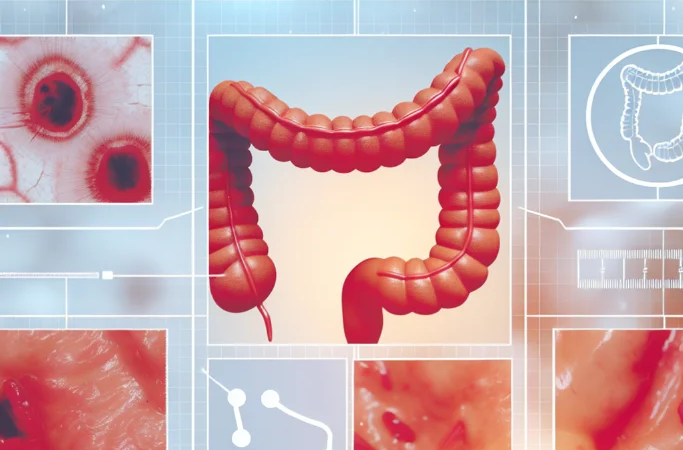
Perianal disease affects up to 80% of people with Crohn’s disease at some point during their journey, making it one of the most common yet challenging complications of this inflammatory bowel condition. If you’re dealing with fistulas, abscesses, or fissures around your anal area, you’re not alone – and most importantly, effective management strategies exist to help you regain comfort and quality of life.
This comprehensive guide is specifically designed for people with Crohn’s disease who are navigating the complex world of perianal complications. Whether you’ve recently been diagnosed with perianal Crohn’s, are experiencing new symptoms, or have been managing these issues for years, this resource will equip you with the knowledge and tools needed to work effectively with your healthcare team.
You’ll learn to identify different types of perianal disease, understand your treatment options, develop practical daily management strategies, and discover resources that can support your journey. Most importantly, you’ll gain the confidence to advocate for yourself and make informed decisions about your care.
Medical Disclaimer: This guide provides educational information only and should not replace professional medical advice. Always consult with your gastroenterologist or colorectal surgeon before making changes to your treatment plan.
Understanding Perianal Disease in Crohn’s: Why It Happens and Why It Matters
Perianal disease occurs when the chronic inflammation characteristic of Crohn’s disease extends beyond the intestinal wall to affect the tissues around the anus and rectum. Unlike perianal problems in people without IBD, Crohn’s-related perianal disease is driven by the same inflammatory process affecting your digestive tract, making it more complex and requiring specialized treatment approaches.
The unique challenge of perianal Crohn’s lies in its tendency to be persistent and recurrent. While hemorrhoids or simple fissures in healthy individuals often heal with basic care, Crohn’s-related perianal disease requires ongoing management because the underlying inflammation continues to interfere with normal healing processes.
Many people with Crohn’s report that perianal symptoms significantly impact their quality of life, sometimes even more than their intestinal symptoms. The pain, drainage, and unpredictability can affect work, relationships, and daily activities. Additionally, the sensitive nature of these symptoms often leads to delayed medical attention, which can worsen outcomes.
Understanding that perianal disease is a recognized complication of Crohn’s – not a personal hygiene issue or something you’ve caused – is crucial for both proper treatment and emotional well-being. Research shows that early, aggressive treatment of perianal Crohn’s leads to better long-term outcomes, making timely medical intervention essential.
Identifying the Three Main Types of Perianal Disease
Perianal Fistulas: Complex Tunnels That Need Specialized Care
Perianal fistulas are abnormal tunnels that form between the inside of your rectum or anal canal and the skin around your anus. In Crohn’s disease, these develop when inflammation creates a pathway through the tissue layers.
Key symptoms to watch for:
- Persistent drainage of pus, blood, or stool from openings near your anus
- Pain that may worsen during bowel movements
- Swelling or tender lumps around the anal area
- Recurring infections in the same area
- Difficulty sitting comfortably
Fistulas in Crohn’s disease are classified as simple or complex based on their anatomy. Simple fistulas involve less tissue and are easier to treat, while complex fistulas may branch into multiple tunnels or involve the anal sphincter muscles, requiring more sophisticated surgical approaches.
Perianal Abscesses: Infections That Demand Immediate Attention
Abscesses are collections of infected fluid that form when bacteria become trapped in the tissues around your anus. In Crohn’s disease, the chronic inflammation creates conditions that make abscess formation more likely.
Warning signs requiring urgent medical care:
- Severe, throbbing pain that worsens rapidly
- Fever, especially if accompanied by chills
- A firm, tender mass near your anus
- Inability to sit or walk comfortably
- General feeling of illness or malaise
Unlike fistulas, abscesses typically require immediate drainage to prevent the infection from spreading. Many abscesses will eventually form fistulas if not properly treated, which is why prompt medical intervention is crucial.
Anal Fissures: Small Tears with Big Impact
Anal fissures are small tears in the lining of the anal canal. While anyone can develop fissures, people with Crohn’s disease experience them more frequently and they tend to heal more slowly due to ongoing inflammation.
Characteristic symptoms include:
- Sharp, cutting pain during and after bowel movements
- Bright red blood on toilet paper or stool surface
- Muscle spasms in the anal sphincter
- Itching or burning sensation
- Visible crack or tear if you can examine the area
In Crohn’s disease, fissures often occur off the midline (unlike typical fissures) and may be deeper or more irregular in shape, which can help doctors distinguish them from fissures unrelated to IBD.
Treatment Approaches: From Conservative Management to Advanced Interventions
Medical Therapy: Controlling Inflammation at the Source
Effective treatment of perianal Crohn’s disease requires addressing the underlying inflammation throughout your digestive system, not just treating local symptoms. Your gastroenterologist will likely recommend systemic medications that target the inflammatory process.
Common medical treatments include:
- Anti-TNF biologics (infliximab, adalimumab, certolizumab): Often considered first-line therapy for complex perianal disease
- Immunomodulators (azathioprine, methotrexate): May be used alone or in combination with biologics
- Antibiotics (metronidazole, ciprofloxacin): Particularly helpful for managing secondary infections
- Topical therapies: Including steroid preparations or tacrolimus ointment for localized inflammation
Research shows that anti-TNF biologics achieve fistula closure in about 30-50% of patients, with many more experiencing significant improvement in drainage and pain. The key is patience – these medications can take 12-24 weeks to show maximum benefit for perianal disease.
Surgical Interventions: When and What to Expect
Surgery for perianal Crohn’s disease requires careful timing and specialized expertise. The goal is always to preserve anal function while addressing the disease, which is why these procedures should only be performed by colorectal surgeons experienced in IBD.
Surgical options may include:
- Examination under anesthesia (EUA): Allows thorough assessment and minor procedures
- Seton placement: Flexible drains that keep fistula tracts open while inflammation is controlled
- Fistulotomy: Cutting open simple fistulas to allow healing from the inside out
- Advancement flap procedures: Moving healthy tissue to cover the internal fistula opening
- LIFT procedure: Ligation of the intersphincteric fistula tract
The timing of surgery is crucial in Crohn’s disease. Operating during active inflammation often leads to poor healing and complications, which is why your medical therapy needs to be optimized first whenever possible.
Emerging Therapies: Hope on the Horizon
Several innovative treatments are showing promise for perianal Crohn’s disease:
- Stem cell therapy: Adipose-derived stem cells injected around fistula tracts
- Platelet-rich plasma (PRP): Using concentrated growth factors to promote healing
- Fistula plugs and matrices: Biocompatible materials that support tissue regeneration
- Hyperbaric oxygen therapy: Enhancing tissue oxygenation to improve healing
Daily Management Strategies: Practical Tips for Comfort and Healing
Hygiene and Skin Care
Maintaining proper hygiene without causing additional irritation requires a delicate balance:
- Use lukewarm water for cleansing – avoid hot water that can increase inflammation
- Pat dry gently with soft, clean towels – never rub vigorously
- Consider using a peri-bottle or bidet attachment for gentle cleansing after bowel movements
- Apply barrier creams containing zinc oxide to protect surrounding skin from drainage
- Change absorbent pads frequently to prevent moisture buildup and bacterial growth
Pain Management Techniques
Managing perianal pain requires a multi-faceted approach:
- Sitz baths: 10-15 minutes in warm water 2-3 times daily can reduce pain and promote healing
- Ice packs: Applied for 10-15 minutes can help reduce acute swelling and pain
- Positioning: Use donut cushions or wedge pillows to reduce pressure when sitting
- Medications: Work with your doctor to find appropriate pain relief that doesn’t interfere with healing
Dietary Considerations
While diet doesn’t cure perianal disease, certain modifications can reduce symptoms:
- Maintain adequate fiber intake to prevent constipation and hard stools
- Stay well-hydrated to keep stools soft
- Consider probiotics to support healthy gut bacteria
- Limit foods that trigger your individual Crohn’s symptoms
- Avoid excessive straining during bowel movements
Working with Your Healthcare Team: Communication and Coordination
Managing perianal Crohn’s disease typically requires a multidisciplinary team approach. Your care team may include a gastroenterologist, colorectal surgeon, wound care specialist, and specialized nurses.
Essential questions to ask your gastroenterologist:
- What type of perianal disease do I have, and how severe is it?
- How will this affect my current Crohn’s treatment plan?
- What are the realistic expectations for healing with current treatments?
- When should I consider surgical consultation?
- What warning signs should prompt immediate medical attention?
Questions for your colorectal surgeon:
- What surgical options are appropriate for my specific situation?
- What are the risks of incontinence with different procedures?
- How long is the typical recovery period?
- What can I do to optimize healing before and after surgery?
Resources and Support Tools
Specialized Organizations and Support Groups
- Crohn’s & Colitis Foundation: Offers specific resources on perianal disease and connects patients with support groups
- International Association for the Study of Pain (IASP): Provides educational resources on chronic pain management
- United Ostomy Associations of America: While focused on ostomies, offers valuable resources for complex IBD management
- IBD Support Australia: Comprehensive resources including perianal disease fact sheets
Helpful Apps and Digital Tools
- MyIBDCoach: Tracks symptoms including perianal symptoms and pain levels
- GI Monitor: Comprehensive symptom tracking with photo documentation capabilities
- Cara Care: Dietary tracking that can help identify triggers for flare-ups
- IBD Disk: Standardized tool for assessing IBD disability, including perianal disease impact
Educational Resources
- Crohn’s & Colitis Foundation Patient Education Library: Detailed brochures on perianal disease management
- American Gastroenterological Association Patient Center: Evidence-based information on IBD complications
- European Crohn’s and Colitis Organisation (ECCO) Guidelines: Latest clinical recommendations for perianal disease treatment
Common Mistakes to Avoid
Delaying Medical Attention Due to Embarrassment
Many people postpone seeking help for perianal symptoms due to embarrassment or shame. This delay can lead to worsening complications and more complex treatment requirements. Remember that healthcare providers are trained professionals who see these conditions regularly – there’s nothing to be embarrassed about.
Stopping Medications When Symptoms Improve
Unlike acute conditions, perianal Crohn’s disease requires ongoing treatment even when symptoms improve. Discontinuing medications prematurely often leads to rapid recurrence and may make subsequent treatment more challenging.
Attempting Self-Treatment with Over-the-Counter Remedies
While some comfort measures are helpful, attempting to treat perianal fistulas or abscesses with over-the-counter preparations alone can mask serious infections and delay appropriate treatment. Always involve your healthcare team in treatment decisions.
Ignoring Mental Health Impact
The psychological impact of perianal disease is significant and often underestimated. Failing to address anxiety, depression, or social isolation can interfere with treatment adherence and overall recovery. Don’t hesitate to seek mental health support when needed.
Having Unrealistic Expectations About Healing Time
Perianal Crohn’s disease often requires months or years of treatment to achieve optimal results. Expecting rapid improvement can lead to frustration and treatment changes that may not be in your best interest. Patience and consistent treatment are key to success.
Moving Forward: Your Next Steps and Long-Term Outlook
Managing perianal disease in Crohn’s requires patience, persistence, and partnership with experienced healthcare providers. While the journey can be challenging, significant improvements in quality of life are achievable with appropriate treatment and self-care strategies.
Immediate action steps you can take:
- Schedule an appointment with your gastroenterologist if you haven’t discussed your perianal symptoms recently
- Begin documenting your symptoms, including pain levels, drainage, and impact on daily activities
- Research colorectal surgeons in your area who specialize in IBD-related perianal disease
- Connect with support groups or online communities for people with similar experiences
- Implement gentle hygiene practices and comfort measures while awaiting medical evaluation
Remember that perianal disease, while challenging, is a manageable complication of Crohn’s disease. Advances in medical therapy, surgical techniques, and supportive care continue to improve outcomes for people facing these challenges. With the right team, treatment plan, an
Related Posts

Beyond Diet: Why Comprehensive Care Is Essential for Managing Crohn’s Disease
April 17, 2026
AI Revolution in IBD Care: How Artificial Intelligence Could Transform Your Treatment Journey
April 16, 2026
Acute Severe Ulcerative Colitis in Older Adults: Understanding the Heightened Risks and What It Means for You
April 13, 2026