New Research Shows How Stool Tests and Diet Patterns Could Help Predict IBD Flare-Ups
Summary of Medical Xpress
IBD Movement provides news analysis and insights for the IBD community. Always consult your healthcare provider for personal medical advice.
If you’re living with inflammatory bowel disease (IBD), you know the anxiety that comes with wondering when your next flare-up might strike. The unpredictable nature of Crohn’s disease and ulcerative colitis can make planning difficult and leave you feeling like you’re constantly walking on eggshells. But what if there was a way to better predict when a flare might be coming? New research suggests that combining stool tests with careful analysis of dietary patterns could provide valuable insights into flare risk, potentially giving people with IBD more control over their condition and peace of mind in their daily lives.
What the Research Reveals
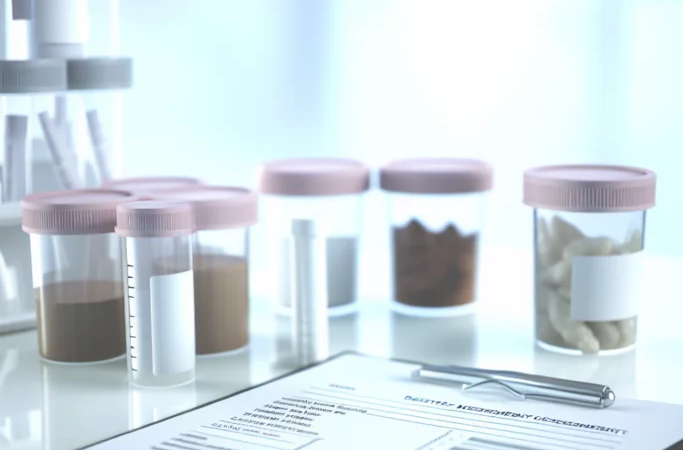
According to Medical Xpress, recent research has identified promising connections between stool test results, dietary patterns, and the likelihood of IBD flare-ups. The study suggests that by analyzing specific biomarkers found in stool samples alongside detailed information about what patients eat, healthcare providers may be able to better predict when someone with IBD is at increased risk of experiencing a flare-up.
The research builds on growing evidence that the gut microbiome—the complex community of bacteria and other microorganisms living in our digestive system—plays a crucial role in IBD progression and flare patterns. By examining stool samples for specific inflammatory markers and microbial signatures, combined with detailed dietary data, researchers found patterns that could serve as early warning signals for disease activity.
The study represents a significant step forward in personalized medicine for IBD, moving beyond the traditional approach of waiting for symptoms to appear before taking action. Instead, this predictive approach could allow for more proactive management strategies, potentially preventing flares before they fully develop or reducing their severity when they do occur.
What This Means for Your IBD Journey
This research represents a potentially game-changing development for anyone living with IBD, though it’s important to understand both the promise and the current limitations. The ability to predict flare-ups could fundamentally change how we approach IBD management, shifting from a reactive model to a more proactive one.
For many people with IBD, the unpredictability of flares is one of the most challenging aspects of the condition. You might feel great one day and wake up the next morning with familiar symptoms returning. This uncertainty can affect everything from career planning to social commitments, creating a constant undercurrent of anxiety about when the next flare might strike.
The potential for predictive testing could address several key challenges that IBD patients face daily. First, it could provide more confidence in planning activities and commitments. Knowing that your risk of a flare is low might give you the green light to book that vacation or accept that work assignment, while elevated risk indicators might prompt you to take preventive measures or adjust your schedule accordingly.
From a treatment perspective, predictive testing could enable much more personalized care. Rather than following a one-size-fits-all approach, your healthcare team could tailor interventions based on your individual risk profile. This might mean adjusting medications before symptoms appear, implementing specific dietary modifications, or increasing monitoring frequency during high-risk periods.
The dietary component of this research is particularly intriguing because it acknowledges what many IBD patients have long suspected—that food plays a complex but important role in disease activity. While the relationship between diet and IBD has been debated for years, this research suggests that specific dietary patterns, when combined with biological markers, could provide meaningful predictive information.
However, it’s crucial to understand that this research is still in relatively early stages. The transition from promising research findings to practical clinical tools often takes years and requires extensive validation. The complexity of IBD means that what works for predicting flares in one person might not work for another, and researchers will need to account for the many variables that influence disease activity.
The stool testing component also raises practical considerations. While stool tests are non-invasive, the logistics of regular testing, processing, and interpretation would need to be streamlined for widespread clinical use. Questions about frequency of testing, cost, and insurance coverage would all need to be addressed.
Perhaps most importantly, this research highlights the increasingly sophisticated understanding of IBD as a complex interaction between genetics, environment, microbiome, and lifestyle factors. Rather than viewing IBD as a single disease with a single cause, researchers are embracing its complexity and developing tools that can work within that complexity to provide better outcomes for patients.
Expert Perspective on Predictive Testing
Gastroenterologists and IBD specialists have long recognized the need for better predictive tools in IBD management. The current standard of care relies heavily on symptom monitoring and periodic testing, which often means catching flares after they’ve already begun rather than preventing them altogether.
This type of predictive approach aligns with the broader trend toward precision medicine in IBD care. Experts emphasize that successful implementation would require close collaboration between patients and their healthcare teams, with patients playing an active role in monitoring their diet and providing regular samples for testing.
When discussing this research with your gastroenterologist, consider asking about current biomarker testing options, how dietary factors might be influencing your specific case, and what preventive strategies might be appropriate based on your individual risk profile. Your doctor can help you understand how this research might eventually apply to your care and what steps you can take now to optimize your IBD management.
Practical Implications for IBD Management
- Enhanced monitoring opportunities: Regular stool testing combined with dietary tracking could provide more detailed insights into your individual IBD patterns and triggers.
- Proactive treatment adjustments: Predictive testing could allow for medication adjustments or dietary interventions before flare symptoms fully develop.
- Improved quality of life: Better flare prediction could reduce anxiety and allow for more confident planning of personal and professional activities.
- Personalized dietary guidance: Understanding how specific dietary patterns affect your individual flare risk could lead to more targeted nutritional strategies.
- Earlier intervention strategies: Identifying high-risk periods could prompt earlier use of rescue medications or preventive measures.
Looking Toward the Future
This research represents an exciting step forward in IBD care, offering hope for more predictable and manageable disease patterns. While we’re still in the early stages of translating these findings into everyday clinical practice, the potential impact on quality of life for people with IBD is significant.
The combination of stool testing and dietary analysis reflects the growing recognition that IBD management requires a holistic approach, considering not just medications but also lifestyle factors, environmental influences, and individual biological variations. As this research continues to develop, it may pave the way for truly personalized IBD care that takes into account each person’s unique circumstances and risk factors.
For now, the best approach is to stay informed about these developments while working closely with your healthcare team to optimize your current management strategy. Keep track of your symptoms, maintain open communication about your diet and lifestyle factors, and don’t hesitate to discuss how emerging research might apply to your individual situation.
What are your thoughts on predictive testing for IBD flares? Have you noticed patterns between your diet and symptom activity? Share your experiences in the comments below—your insights could be valuable for others in our community navigating similar challenges.
Source: This post summarizes reporting from Medical Xpress. Read the original article.
Related Posts

Beyond Diet: Why Comprehensive Care Is Essential for Managing Crohn’s Disease
April 17, 2026
AI Revolution in IBD Care: How Artificial Intelligence Could Transform Your Treatment Journey
April 16, 2026
JAK Inhibitors in Crohn’s Disease: Navigating Safety Concerns and Treatment Decisions
April 15, 2026