Managing Perianal Disease in Crohn’s: A Complete Guide to Fistulas, Abscesses, and Fissures
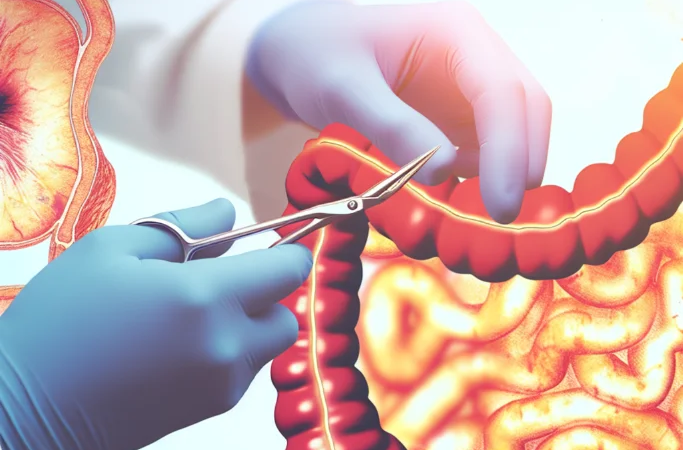
If you’re living with Crohn’s disease and experiencing symptoms “down there,” you’re not alone. Perianal disease affects up to 50% of people with Crohn’s disease at some point in their journey, yet it remains one of the most challenging and under-discussed aspects of IBD management. This comprehensive guide will help you understand perianal complications, recognize symptoms early, and navigate treatment options with confidence.
Whether you’re dealing with your first perianal abscess, managing complex fistulas, or supporting a loved one through this difficult experience, this resource provides the specific knowledge you need to take control of your perianal health. We’ll explore the unique challenges of perianal Crohn’s disease, from the physical discomfort to the emotional impact, while offering practical strategies for daily management and long-term healing.
By the end of this guide, you’ll have a clear understanding of perianal disease types, treatment approaches, and most importantly, how to advocate for yourself while maintaining your quality of life. Remember, while perianal disease can be complex, effective treatments exist, and many people with Crohn’s successfully manage these complications with the right care team and strategies.
Understanding Perianal Disease in Crohn’s: Why It Happens and Why It Matters
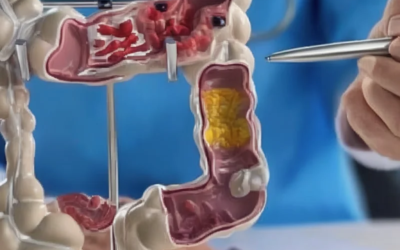
Perianal disease in Crohn’s occurs when the chronic inflammation characteristic of Crohn’s disease extends to the tissues around the anus and rectum. Unlike other IBD complications that affect the intestinal tract, perianal disease creates unique challenges because it involves an area of the body that’s essential for daily functions yet difficult to discuss openly.
The location of perianal disease makes it particularly problematic for several reasons. First, the perianal area is rich in bacteria, making infections common and healing slower. Second, the constant movement and pressure from sitting, walking, and bowel movements can interfere with healing. Finally, the sensitive nature of this body region often leads to delayed medical attention, allowing complications to worsen.
What makes perianal Crohn’s different from other forms of anal disease is its connection to the underlying inflammatory process. While anyone can develop hemorrhoids or anal fissures, perianal disease in Crohn’s is driven by the same immune system dysfunction that causes intestinal inflammation. This means that successful treatment often requires addressing both the local perianal symptoms and the systemic Crohn’s disease activity.
The psychological impact cannot be understated. Many people with perianal Crohn’s report feeling embarrassed, isolated, or reluctant to seek help. This hesitation can lead to worsening symptoms and more complex treatment needs. Understanding that perianal disease is a recognized medical complication of Crohn’s – not something you caused or could have prevented – is crucial for moving forward with effective treatment.
Types of Perianal Disease: Recognizing Fistulas, Abscesses, and Fissures
Perianal Fistulas: The Most Complex Challenge
Perianal fistulas are abnormal tunnels that form between the anal canal and the skin around the anus. In Crohn’s disease, these develop when inflammation creates a pathway through the tissue layers. Fistulas can be simple (involving minimal muscle) or complex (involving significant muscle or having multiple branches).
Recognizing fistula symptoms:
- Persistent drainage of pus, blood, or stool from openings near the anus
- Recurring pain that may temporarily improve after drainage
- Swelling or lumps around the anal area
- Fever during active infection phases
- Foul-smelling discharge that may stain underwear
The key to managing fistulas is understanding their classification. Simple fistulas may heal with medical therapy alone, while complex fistulas often require surgical intervention combined with immunosuppressive medications. Your gastroenterologist and colorectal surgeon will work together to determine the best approach based on your fistula’s anatomy and your overall Crohn’s activity.
Perianal Abscesses: Urgent Complications Requiring Immediate Attention
Abscesses are collections of infected fluid that form when bacteria become trapped in perianal tissues. They can develop independently or in connection with fistulas. Unlike fistulas, abscesses typically require urgent medical attention due to the risk of spreading infection.
Emergency signs of perianal abscesses:
- Severe, throbbing pain that worsens when sitting or during bowel movements
- Visible swelling or a firm, tender mass near the anus
- Fever and chills indicating systemic infection
- Inability to sit comfortably or sleep due to pain
- Red, warm skin over the affected area
Most abscesses require surgical drainage, which provides immediate pain relief and prevents the infection from spreading. However, in Crohn’s patients, simply draining an abscess may not prevent recurrence if the underlying inflammatory disease isn’t adequately controlled.
Anal Fissures: Small Tears with Big Impact
Anal fissures are small tears in the lining of the anal canal. While they can occur in anyone, people with Crohn’s disease are more prone to developing chronic fissures that don’t heal normally due to ongoing inflammation and altered immune response.
Identifying anal fissure symptoms:
- Sharp, cutting pain during bowel movements
- Bright red bleeding on toilet paper or stool surface
- Muscle spasms in the anal sphincter
- Itching or burning sensations
- Visible tear or crack in the anal skin
Chronic fissures in Crohn’s patients often require more aggressive treatment than typical acute fissures, including topical medications to reduce inflammation and improve blood flow to promote healing.
Medical Treatment Approaches for Perianal Crohn’s Disease
Antibiotic Therapy: First-Line Defense
Antibiotics play a crucial role in managing perianal Crohn’s disease, particularly for fistulas and infected complications. The most commonly prescribed antibiotics include metronidazole (Flagyl) and ciprofloxacin (Cipro), often used in combination for maximum effectiveness.
What to expect from antibiotic treatment:
- Initial courses typically last 6-12 weeks for fistula healing
- Some patients require long-term suppressive therapy
- Side effects may include nausea, metallic taste, and neuropathy with prolonged use
- Regular monitoring for antibiotic resistance and side effects is essential
While antibiotics can significantly improve symptoms and promote fistula closure, they rarely provide a permanent cure when used alone. Most patients with complex perianal disease require additional therapies for long-term management.
Immunosuppressive Medications: Addressing the Root Cause
Since perianal disease stems from the same inflammatory process as intestinal Crohn’s, controlling systemic inflammation is crucial for healing. Immunosuppressive medications work by reducing the immune system’s attack on healthy tissues.
Common immunosuppressive options:
- Anti-TNF biologics (infliximab, adalimumab): Often most effective for complex fistulas
- Thiopurines (azathioprine, 6-mercaptopurine): Used alone or in combination with biologics
- Methotrexate: Alternative for patients who can’t tolerate thiopurines
- Newer biologics (vedolizumab, ustekinumab): Options for anti-TNF failures
The choice of immunosuppressive therapy depends on your overall Crohn’s activity, previous treatment responses, and the complexity of your perianal disease. Many patients achieve their best results with combination therapy, using both antibiotics and immunosuppressives.
Topical Treatments: Supporting Local Healing
Topical medications can provide additional benefit for perianal symptoms while systemic treatments work to control underlying inflammation. These treatments are particularly helpful for anal fissures and external perianal irritation.
Effective topical options include:
- Topical corticosteroids for reducing local inflammation
- Nitroglycerin ointment to improve blood flow and promote fissure healing
- Topical immunomodulators like tacrolimus for chronic fissures
- Barrier creams to protect irritated skin
Surgical Interventions: When Medical Therapy Isn’t Enough
Abscess Drainage: Immediate Relief for Acute Infections
Surgical drainage of perianal abscesses is often unavoidable and provides immediate pain relief. The procedure can typically be performed in an office setting under local anesthesia for smaller abscesses, while larger or deeper abscesses may require operating room drainage.
What to expect during abscess drainage:
- Local anesthesia is administered to numb the area
- A small incision is made to allow pus to drain
- The cavity may be irrigated to remove infected material
- A drain or packing may be placed to keep the opening clear
- Follow-up visits are scheduled to monitor healing
After drainage, many patients experience significant pain relief within 24-48 hours. However, it’s important to understand that drainage alone doesn’t treat the underlying Crohn’s inflammation that may have contributed to abscess formation.
Fistula Surgery: Complex Decisions Requiring Expertise
Surgical treatment of perianal fistulas in Crohn’s disease requires careful consideration of multiple factors, including fistula anatomy, sphincter muscle involvement, and overall disease activity. The goal is to achieve healing while preserving continence function.
Common surgical approaches include:
- Seton placement: A thin tube placed through the fistula to maintain drainage and prevent abscess formation
- Fistulotomy: Opening the fistula tract, suitable only for simple, low fistulas
- Advancement flaps: Moving healthy tissue to cover the internal fistula opening
- Stem cell therapy: Experimental treatment showing promise for complex fistulas
The timing of fistula surgery is crucial. Operating during active Crohn’s flares often leads to poor healing and complications. Most surgeons prefer to optimize medical therapy first, then consider surgical intervention when inflammation is controlled.
Daily Management Strategies for Perianal Disease
Hygiene and Wound Care
Proper hygiene is essential for preventing infections and promoting healing in perianal disease. However, the approach differs from standard anal hygiene due to the presence of open wounds or drainage.
Effective hygiene practices:
- Gentle cleansing with warm water after each bowel movement
- Pat dry rather than wiping aggressively
- Use unscented, alcohol-free wipes when away from home
- Apply prescribed topical medications as directed
- Change dressings or pads regularly to prevent bacterial buildup
Avoid harsh soaps, perfumed products, or aggressive scrubbing, which can irritate inflamed tissues and delay healing. Some patients find sitz baths helpful for reducing pain and promoting cleanliness.
Managing Drainage and Odor
Persistent drainage from fistulas can be emotionally challenging and practically difficult to manage. Developing effective strategies for containing drainage while maintaining dignity is crucial for quality of life.
Practical drainage management tips:
- Use absorbent pads designed for wound drainage rather than menstrual products
- Consider ostomy supplies for heavy drainage situations
- Carry extra supplies and changes of underwear when leaving home
- Use odor-controlling products like charcoal-lined pads
- Maintain a supply kit for work or travel situations
Pain Management and Comfort Measures
Perianal pain can significantly impact daily activities, sleep, and overall well-being. Effective pain management often requires a multi-modal approach combining medications with physical comfort measures.
Pain relief strategies:
- Over-the-counter pain relievers, avoiding NSAIDs which may worsen Crohn’s
- Prescription pain medications for severe episodes
- Topical anesthetics for localized relief
- Donut cushions or specialized seating for work and travel
- Heat therapy or cold packs as tolerated
Resources and Tools for Perianal Disease Management
Specialized Healthcare Providers
Managing perianal Crohn’s disease effectively requires a coordinated team approach. Building relationships with the right specialists can make a significant difference in your treatment outcomes.
Key specialists to consider:
- Gastroenterologists with IBD expertise: Focus on systemic Crohn’s management and medical therapy
- Colorectal surgeons: Specialize in perianal procedures and complex fistula management
- Wound care specialists: Expert in managing chronic drainage and promoting healing
- Pain management specialists: For complex pain situations requiring specialized approaches
Support Organizations and Online Communities
Connecting with others who understand the unique challenges of perianal disease can provide emotional support and practical advice.
Valuable resources include:
- Crohn’s & Colitis Foundation local support groups
- Online forums specifically for perianal disease discussions
- Social media support groups with moderated, medical-focused content
- Patient advocacy organizations offering educational resources
Essential Questions for Your Healthcare Team
Advocating for yourself requires asking the right questions during medical appointments. Prepare these questions in advance to maximize your consultation time:
- What type of perianal disease do I have, and how complex is it?
- What are my treatment options, and what are the success rates for each?
- How will we monitor my response to treatment?
- What symptoms should prompt me to seek immediate medical attention?
- Are there clinical trials available for my specific situation?
- How can I best manage symptoms while waiting for treatments to work?
Common Mistakes to Avoid in Perianal Disease Management
Delaying Medical Attention Due to Embarrassment
The most critical mistake people make with perianal disease is avoiding or delaying medical care due to embarrassment or shame. This hesitation allows complications to worsen and can lead to more complex treatment needs. Remember that healthcare providers are trained professionals who regularly treat these conditions – what feels overwhelming to you is routine medical care to them.
Stopping Treatment Too Early
Many patients discontinue antibiotics or other medications once symptoms improve, not realizing that perianal disease often requires extended treatment courses for complete healing.
Related Posts

Vitamin D Shows Promise for Reshaping Gut Response in IBD: What This Could Mean for Your Treatment Journey
April 18, 2026
Beyond Diet: Why Comprehensive Care Is Essential for Managing Crohn’s Disease
April 17, 2026
AI Revolution in IBD Care: How Artificial Intelligence Could Transform Your Treatment Journey
April 16, 2026