IBD Flare Emergency Kit: Essential Supplies for Every Location
Living with inflammatory bowel disease means accepting an uncomfortable truth: flares can strike at any moment, often without warning. Whether you’re at home enjoying a quiet evening, stuck in traffic during your commute, or presenting to colleagues in a boardroom, your body doesn’t pause to check your schedule before symptoms escalate. This reality makes preparation not just helpful—it’s essential for maintaining your quality of life and peace of mind.
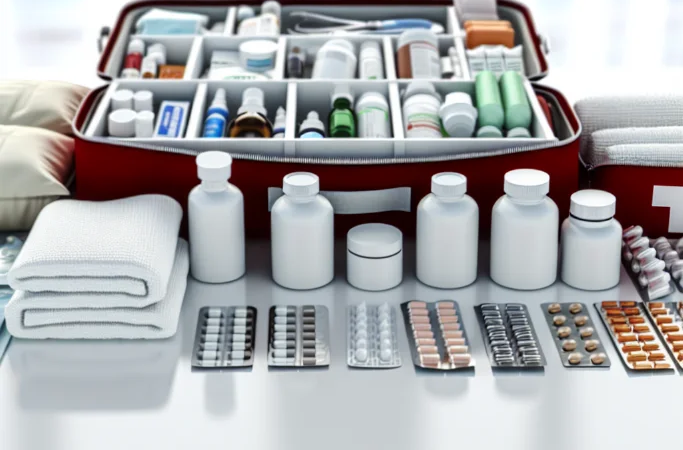
An IBD flare emergency kit isn’t about expecting the worst; it’s about empowering yourself with the tools and supplies you need to manage unexpected symptom flares wherever they occur. These carefully curated collections of medications, comfort items, and practical supplies can mean the difference between a manageable inconvenience and a crisis that derails your entire day.
In this comprehensive guide, you’ll learn exactly what to include in your emergency kits for three critical locations: your home base, your vehicle, and your workplace. We’ll explore specific supplies tailored to IBD symptoms, storage considerations for medications, and practical items that address the real challenges you face during flares. By the end, you’ll have a clear roadmap for creating emergency kits that provide genuine support when you need it most.
Why IBD Flare Emergency Kits Are Game-Changers
The unpredictable nature of IBD creates unique challenges that healthy individuals rarely consider. Unlike other chronic conditions that follow more predictable patterns, IBD flares can escalate rapidly, transforming a normal day into an urgent situation requiring immediate intervention. The psychological impact of this uncertainty often proves as challenging as the physical symptoms themselves.
Many people with IBD develop anxiety around leaving familiar environments, particularly their homes where they have easy access to bathrooms and their full range of medications. This anxiety can become so overwhelming that it leads to social isolation and missed opportunities. Emergency kits directly address this fear by ensuring you’re prepared regardless of location, helping restore confidence in your ability to navigate daily activities.
The most common misconception about IBD emergency preparedness involves assuming that carrying a few basic medications provides adequate protection. In reality, effective flare management requires a comprehensive approach that addresses multiple symptom categories, comfort needs, and practical challenges. A well-stocked emergency kit considers everything from urgent medication needs to discrete cleanup supplies and communication tools for reaching healthcare providers.
Research consistently shows that people with chronic conditions who feel prepared for symptom flares experience lower anxiety levels and better overall quality of life. This preparation effect extends beyond the practical benefits of having supplies available—it provides psychological reassurance that reduces stress-related symptom triggers.
Home Base Emergency Kit: Your Comprehensive Command Center
Your home emergency kit serves as the most comprehensive collection, containing everything you might need during extended flares or when other locations aren’t accessible. This kit should be stored in an easily accessible location that all household members know about, preferably in a waterproof container that protects contents from moisture and makes transport easy if needed.
Critical Medications and Supplements
Your home kit should contain a complete backup supply of all current medications, stored separately from your daily supply. Include at least a 7-day supply of maintenance medications like mesalamine, immunosuppressants, or biologics, properly stored according to temperature requirements. For medications requiring refrigeration, consider including a small cooler bag with ice packs.
Stock multiple forms of anti-diarrheal medications, including both loperamide tablets and liquid formulations for faster absorption during severe symptoms. Include electrolyte replacement products in various forms—powder packets, tablets, and ready-to-drink solutions—since dehydration can escalate quickly during flares.
Pain management supplies should include both over-the-counter options approved by your healthcare team and any prescription pain medications. Remember that certain pain relievers like NSAIDs may worsen IBD symptoms, so focus on IBD-safe alternatives like acetaminophen.
Comfort and Recovery Items
Include a heating pad or several disposable heat patches for abdominal cramping, along with comfortable loose-fitting clothing that won’t irritate sensitive skin or put pressure on your abdomen. A soft blanket designated specifically for flare days can provide both physical warmth and psychological comfort.
Stock gentle, IBD-friendly foods that are easy to digest and won’t exacerbate symptoms. This might include plain crackers, white rice, bananas, and clear broths. Having these readily available prevents the stress of trying to figure out safe foods when you’re already feeling unwell.
Consider including a meditation app subscription or downloaded relaxation audio files, since stress management plays a crucial role in flare recovery. Some people find that having a dedicated “flare day” playlist of calming music or favorite movies helps pass time during recovery periods.
Vehicle Emergency Kit: Mobile Preparedness
Your car kit focuses on portability and immediate needs, designed to help you manage symptoms while traveling or provide supplies until you can reach a more comprehensive kit. Store this kit in a discrete but easily accessible location, such as under a seat or in the glove compartment.
Immediate Relief Supplies
Pack travel-sized anti-diarrheal medications in both tablet and liquid forms, ensuring they’re within expiration dates and haven’t been damaged by temperature extremes. Include individual electrolyte packets that can be mixed with bottled water, along with a small water bottle for mixing.
Disposable heat patches provide portable pain relief without requiring electricity, making them perfect for car travel. Include both small patches for targeted relief and larger ones for broader abdominal coverage.
Pack a small supply of safe snacks like plain crackers or rice cakes, focusing on items that won’t spoil in temperature variations and can help settle your stomach during mild symptoms.
Practical Necessities
Include a small pack of wet wipes and tissues for cleanup, along with a change of underwear in a discrete bag. A small towel can serve multiple purposes, from cleanup to providing a clean surface in public restrooms.
Keep a list of nearby hospitals, urgent care centers, and pharmacies along your regular routes, including their phone numbers and addresses. Consider downloading apps that can locate nearby medical facilities and pharmacies when you’re in unfamiliar areas.
A portable phone charger ensures you can always contact healthcare providers or family members, while a small amount of cash covers parking fees at medical facilities or emergency purchases when cards aren’t accepted.
Workplace Emergency Kit: Professional Discretion
Your workplace kit balances comprehensive preparation with professional discretion, stored in a way that doesn’t draw unwanted attention while remaining easily accessible during urgent situations. Consider using a small, professional-looking bag or container that could pass for typical office supplies.
Discrete Medication Management
Store a 3-day supply of essential medications in a small, unmarked pill organizer or original prescription bottles. Include both maintenance medications and symptom-relief options like anti-diarrheals and electrolyte supplements.
Pack individual electrolyte packets that can be discretely mixed into water bottles, avoiding the need for obvious medical supplies. Choose unflavored or lightly flavored options that won’t draw attention when consumed during meetings or at your desk.
Include a small heating pad designed for office use, or disposable heat patches that can be applied discretely under clothing. Some people find that small, rechargeable heating devices provide targeted relief without the bulk of traditional heating pads.
Professional Comfort Items
Keep a spare professional outfit or at minimum, a change of underwear and appropriate undergarments in case symptoms require cleanup. Store these in a discrete garment bag that could pass for dry cleaning or gym clothes.
Include gentle snacks that align with your dietary restrictions and can be consumed discretely at your desk. Avoid items with strong odors that might draw attention, focusing instead on bland, easily digestible options.
Consider keeping a small bottle of gentle, unscented lotion for skin irritation that can occur during flares, along with discrete wet wipes for quick cleanup when bathroom facilities are limited or inconvenient to access frequently.
Specialized Supplies for Different Flare Types
Different IBD symptoms require different emergency responses, and your kits should reflect the specific challenges you typically face during flares. Understanding your personal symptom patterns helps you customize each kit for maximum effectiveness.
Diarrhea-Predominant Flares
Focus heavily on anti-diarrheal medications, electrolyte replacement, and cleanup supplies. Include multiple forms of loperamide, from fast-acting liquids to convenient tablets. Pack extra electrolyte products since fluid loss can be significant and rapid.
Barrier creams or ointments protect sensitive skin from irritation, while wet wipes provide gentle cleanup that’s less harsh than typical toilet paper. Consider including a small tube of zinc oxide cream for more severe skin protection.
Pain and Cramping-Focused Flares
Prioritize heating elements, approved pain medications, and comfort positioning aids. Disposable heat patches offer targeted relief, while small pillows or cushions can help you find comfortable positions during cramping episodes.
Include gentle anti-spasmodic medications if approved by your healthcare provider, along with relaxation aids like stress balls or fidget devices that can help manage pain-related anxiety.
Nausea and Vomiting Episodes
Pack anti-nausea medications in multiple forms, including dissolving tablets that don’t require water. Include small amounts of ginger products like crystallized ginger or ginger tea, which many people find helpful for mild nausea.
Clear electrolyte solutions become crucial when vomiting prevents normal fluid intake, while bland foods like crackers can help settle the stomach once nausea subsides.
Essential Resources and Support Tools
Several apps and resources can enhance your emergency preparedness and provide additional support during flares. The IBD Manager app helps track symptoms and medications while providing easy access to your healthcare team’s contact information. GI Monitor offers symptom tracking specifically designed for digestive conditions, helping you identify patterns that might predict flares.
For locating nearby facilities, Flush Toilet Finder and SitOrSquat help identify clean, accessible restrooms when you’re away from familiar locations. GoodRx can help locate pharmacies and compare medication prices if you need emergency refills while traveling.
The Crohn’s & Colitis Foundation offers extensive resources for emergency planning, including printable checklists and medication management tools. Their local chapters often provide support groups where you can learn from others’ emergency preparedness strategies.
Consider joining online communities like IBD Support Group on Facebook or the r/IBD community on Reddit, where members frequently share practical tips for managing unexpected flares and emergency situations.
Prepare specific questions for your healthcare provider about emergency management, such as: “What symptoms require immediate medical attention versus home management?” “Are there any medications I should avoid during flares?” “What’s your preferred method for urgent communication outside office hours?”
Common Emergency Kit Mistakes to Avoid
Medication Expiration Neglect: Many people create emergency kits and then forget about them, allowing medications to expire and become ineffective or potentially harmful. Set calendar reminders every three months to check expiration dates and rotate supplies, treating your emergency kit like a living resource that requires regular maintenance.
Temperature-Sensitive Storage Errors: Storing medications in cars or other locations with extreme temperatures can destroy their effectiveness. Heat-sensitive medications like certain biologics or probiotics can become useless if stored improperly, while extreme cold can affect tablet integrity and liquid formulations.
Over-Packing Syndrome: Some people create emergency kits so large and comprehensive that they become impractical to access or transport when actually needed. Focus on truly essential items rather than trying to prepare for every possible scenario, remembering that these kits supplement rather than replace professional medical care.
One-Size-Fits-All Approach: Using identical supplies for all three locations ignores the different challenges and constraints of each environment. Your workplace kit needs different discretion levels than your home kit, while your car kit requires different portability considerations than either stationary option.
Failure to Communicate Kit Locations: Family members, close friends, or trusted colleagues should know where your emergency kits are located and how to access them if you’re unable to do so yourself. This becomes particularly important during severe flares when you might need assistance retrieving supplies.
Taking Action: Your Emergency Kit Implementation Plan
Creating effective IBD flare emergency kits requires thoughtful planning and gradual implementation rather than rushed assembly. Start by conducting an honest assessment of your typical flare patterns, noting which symptoms cause the most disruption and which locations present the greatest challenges for symptom management.
Begin with your home kit since it’s the most comprehensive and serves as your template for other locations. Gather supplies gradually over several weeks, allowing you to spread costs and ensure you’re selecting items that truly meet your needs. Test unfamiliar products during stable periods to confirm they work well for you before relying on them during emergencies.
Once your home kit is complete, create your vehicle and workplace kits by adapting the home kit contents to each location’s specific requirements and constraints. Remember that these kits work best when they’re actually accessible, so prioritize convenience and discretion over comprehensiveness for your mobile kits.
Schedule regular kit maintenance sessions every quarter, checking expiration dates, testing equipment like heating pads, and updating emergency contact information. Consider this maintenance as important as taking your regular medications—it’s an investment in your ongoing health management.
Share your emergency preparedness approach with your healthcare team during your next appointment. They may suggest additional supplies specific to your condition or medications, and they can provide guidance on which symptoms require professional intervention versus home management.
Remember that emergency kits provide security and confidence that extend far beyond their practical applications. When you know you’re prepared for unexpected flares, you’re more likely to engage fully in work, social activities, and travel opportunities that enrich your life. This preparation isn’t about expecting problems—it’s about refusing to let the possibility of problems limit your potential for living fully with IBD.
Related Posts

Vitamin D Shows Promise for Reshaping Gut Response in IBD: What This Could Mean for Your Treatment Journey
April 18, 2026
Beyond Diet: Why Comprehensive Care Is Essential for Managing Crohn’s Disease
April 17, 2026
AI Revolution in IBD Care: How Artificial Intelligence Could Transform Your Treatment Journey
April 16, 2026