Life After Colectomy: New Hope for Crohn’s Disease of the Pouch
If you’ve been through the rollercoaster of ulcerative colitis and thought surgery would finally give you the relief you desperately needed, only to face a new challenge called Crohn’s disease of the pouch, you’re not alone in feeling frustrated and exhausted. That moment when your doctor delivers this unexpected diagnosis can feel like starting over again—just when you thought you’d reached the finish line. The bathroom urgency, the unpredictable symptoms, the worry about what comes next—these feelings are valid and shared by thousands of others who’ve walked this same difficult path.
But here’s something that might lift your spirits: recent research is showing real promise for people facing exactly this situation. Two specific biologic medications are proving to be game-changers, offering hope where there once felt like limited options. Sometimes the most meaningful victories come after the most challenging battles, and this could be one of those moments for our community.
Summary of the original source
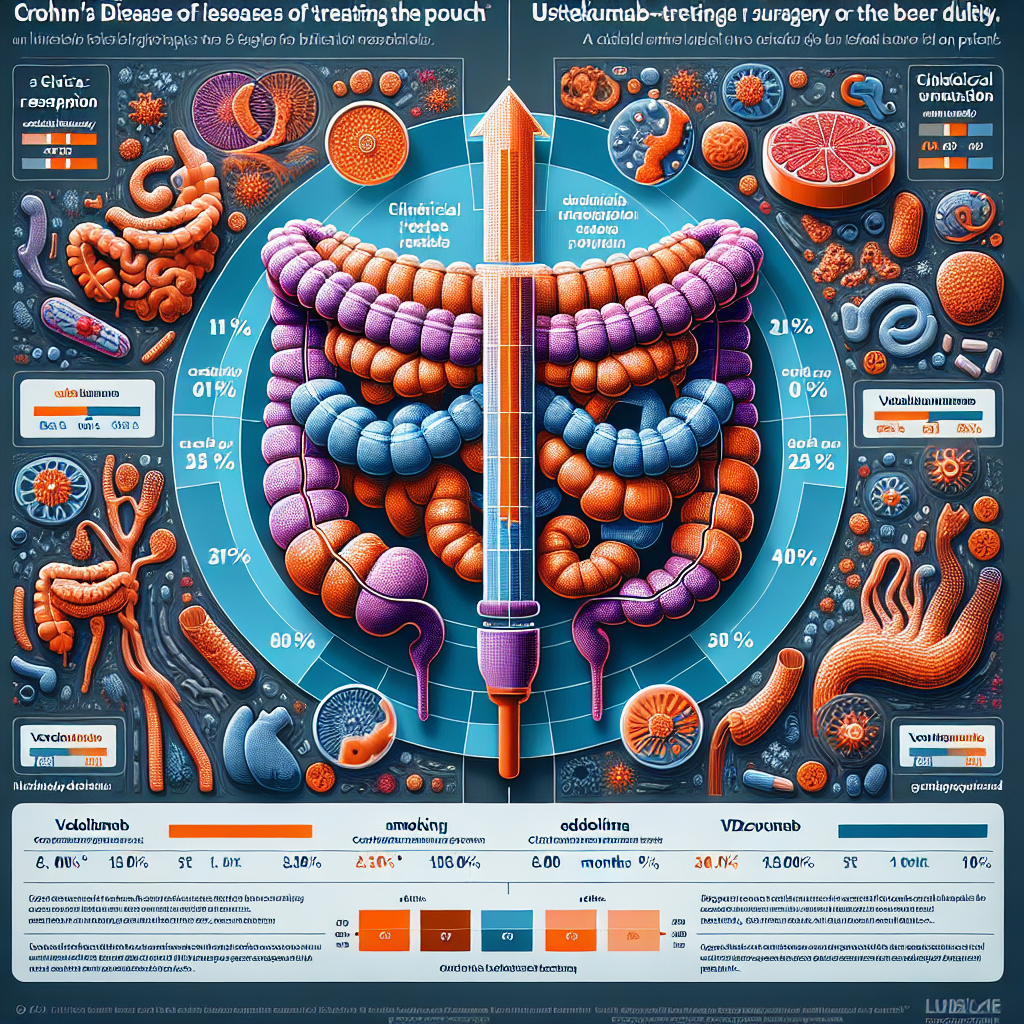
New research has identified two biologic therapies—ustekinumab (Stelara) and vedolizumab (Entyvio)—as effective treatment options for people who develop Crohn’s disease of the pouch after ulcerative colitis surgery. This condition, also known as Crohn’s disease of the ileal pouch-anal anastomosis (IPAA), can develop in patients who’ve had their colon removed and an internal pouch created from small intestine tissue.
The study findings show that both medications can help control symptoms and inflammation, but ustekinumab appears to provide superior clinical improvement and longer-lasting remission rates. For patients who’ve already been through major surgery and are facing another complex diagnosis, having proven treatment options represents a significant step forward in managing this challenging condition.
This post summarizes reporting from the original source. Our analysis represents IBD Movement’s perspective and is intended to help patients understand how this news may affect them. Read the original article for complete details.
What This Means for the IBD Community
Let’s talk about what this research really means for your daily life. If you’re dealing with Crohn’s disease of the pouch, you know that every day can feel unpredictable. The urgency, the discomfort, the constant worry about being near a bathroom—these aren’t just medical symptoms, they’re life disruptors that affect your work, relationships, and peace of mind.
What’s particularly encouraging about these findings is that we’re seeing evidence-based options specifically for this unique situation. Too often, people with Crohn’s disease of the pouch feel caught between two worlds—they’ve moved beyond traditional ulcerative colitis treatments but don’t quite fit the typical Crohn’s disease profile either. Having research that specifically addresses this in-between space is incredibly validating.
The practical implications are substantial. Both ustekinumab and vedolizumab are established biologics with known safety profiles, which means your gastroenterologist likely has experience prescribing them. You’re not looking at experimental treatments or unproven therapies—these are medications that have helped thousands of IBD patients and are now showing specific promise for your situation.
Questions to Discuss With Your Doctor
This research gives you concrete topics to bring up during your next appointment. Consider asking your gastroenterologist about:
- Whether either ustekinumab or vedolizumab might be appropriate for your specific case
- How these medications compare to your current treatment plan
- What the timeline might look like for seeing improvement
- How your insurance covers these biologic options
- Whether there are any contraindications based on your medical history
Remember, your doctor knows your complete medical picture, including details about your surgery, current symptoms, and previous treatments. This research provides a framework for discussion, but your individual treatment plan should always be personalized to your unique circumstances.
The Bigger Picture: Hope in IBD Research
This study represents something larger happening in IBD research—a growing recognition that post-surgical complications deserve targeted attention and specialized treatment approaches. For too long, people who developed Crohn’s disease of the pouch felt like medical outliers, dealing with a condition that didn’t have clear treatment guidelines.
The fact that researchers are specifically studying this population and finding effective treatments signals a shift toward more personalized, situation-specific care. It’s part of a broader trend in IBD medicine where we’re moving beyond one-size-fits-all approaches toward treatments tailored to specific disease presentations and patient circumstances.
This research also highlights the importance of the patient voice in driving medical advancement. Many of these studies happen because patients and advocates have spoken up about unmet needs and pushed for research into overlooked areas. Your experiences and advocacy matter, and they contribute to research that helps others in similar situations.
Managing Expectations and Staying Hopeful
While these findings are genuinely encouraging, it’s important to approach them with realistic expectations. Biologics aren’t miracle cures, and what works wonderfully for one person might not be the right fit for another. Both ustekinumab and vedolizumab can take several months to show their full effect, and like all medications, they come with potential side effects that need to be monitored.
However, having options is powerful. If you’ve been struggling with limited treatment choices or treatments that haven’t provided adequate relief, knowing that there are proven alternatives can provide both practical help and psychological comfort. Sometimes just knowing that Plan B and Plan C exist makes it easier to navigate the challenges of Plan A.
The research also suggests that achieving and maintaining remission is possible, even in this complex post-surgical scenario. That’s not a guarantee for every individual, but it’s evidence that good quality of life after Crohn’s disease of the pouch diagnosis is an achievable goal for many people.
This research validates something our community has always known: that life after major IBD surgery can still present challenges, and those challenges deserve serious medical attention and effective treatment options. You’re not being overly sensitive or difficult when you continue to advocate for symptom relief after surgery—you’re being appropriately attentive to your health and quality of life. Having targeted treatments for Crohn’s disease of the pouch means your medical team can approach your care with confidence and evidence-based strategies, rather than trial-and-error approaches. While the journey with IBD rarely follows a straight path, research like this reminds us that medical science continues to evolve in ways that can meaningfully improve our daily lives.
IBD Movement provides information for educational purposes only. This content is not intended to be a substitute for professional medical advice, diagnosis, or treatment. Always seek the advice of your physician or other qualified health provider with any questions you may have regarding a medical condition.
Related Posts

Beyond Diet: Why Comprehensive Care Is Essential for Managing Crohn’s Disease
April 17, 2026
AI Revolution in IBD Care: How Artificial Intelligence Could Transform Your Treatment Journey
April 16, 2026
JAK Inhibitors in Crohn’s Disease: Navigating Safety Concerns and Treatment Decisions
April 15, 2026