Living with an Ostomy: A Complete Practical Guide for IBD Patients
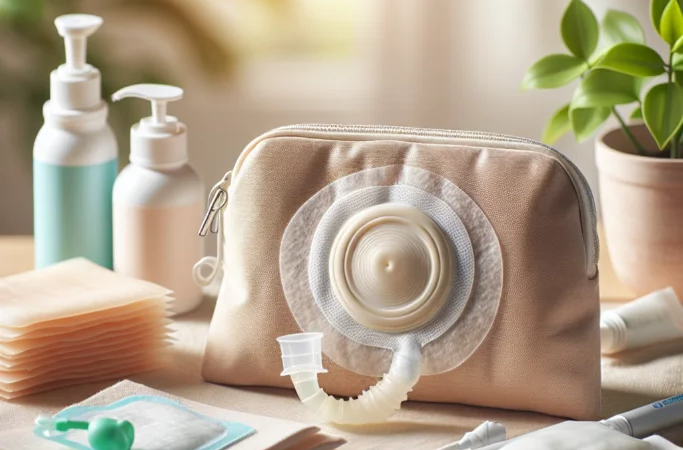
If you’re facing ostomy surgery or have recently undergone the procedure as part of your IBD treatment, you’re likely experiencing a whirlwind of emotions and questions. The transition to life with an ostomy—whether temporary or permanent—represents a significant change, but it’s also often a pathway to renewed health and freedom from the debilitating symptoms that brought you to this point.
This comprehensive guide addresses the practical realities of ostomy life specifically for people with IBD. From mastering pouch care routines to rediscovering intimacy, from choosing the right clothing to traveling with confidence, we’ll explore every aspect of thriving with your ostomy. Whether you’re preparing for surgery, recently post-op, or looking to optimize your current ostomy experience, this guide provides the specific, actionable information you need to live fully and confidently.
You’ll gain practical knowledge about daily ostomy management, learn strategies for maintaining your quality of life, and discover how many IBD patients find that ostomy surgery becomes a turning point toward better health and renewed possibilities.
Understanding Ostomies in the Context of IBD
For people with Crohn’s disease or ulcerative colitis, ostomy surgery often becomes necessary when medications fail to control severe symptoms, complications arise, or quality of life becomes severely compromised. Unlike ostomies created for other conditions, IBD-related ostomies carry unique considerations that affect every aspect of daily management.
The most common types of ostomies for IBD patients include ileostomies (connecting the small intestine to the abdominal wall) and colostomies (connecting the large intestine to the abdominal wall). Some IBD patients receive temporary ostomies during multi-stage surgeries, while others have permanent ostomies following total colectomy or extensive bowel resection.
Many IBD patients initially view ostomy surgery as a last resort, but research consistently shows that the majority experience significant improvements in quality of life post-surgery. A 2019 study in the Journal of Crohn’s and Colitis found that 85% of IBD patients reported better quality of life one year after ostomy surgery compared to their pre-surgical state. Understanding this context helps frame the ostomy not as a limitation, but as a tool for reclaiming your life from IBD’s grip.
The key difference for IBD patients is that ostomy output can be more variable due to ongoing inflammation, dietary restrictions, or medication effects. This variability requires more personalized management strategies and greater attention to hydration and nutrition than might be necessary for ostomies created for other conditions.
Mastering Ostomy Pouch Care and Management
Effective pouch care forms the foundation of successful ostomy living, and for IBD patients, this process requires special attention to your body’s unique needs and potential complications.
Establishing Your Daily Care Routine
Your ostomy care routine should be consistent yet flexible enough to accommodate IBD-related variables. Start each day by inspecting your stoma and surrounding skin for any changes in color, size, or irritation. A healthy stoma appears pink to red and moist, similar to the inside of your mouth.
Empty your pouch when it’s one-third to one-half full to prevent the weight from pulling on your skin and compromising the seal. For IBD patients, this might mean more frequent emptying, especially if you’re experiencing higher output due to dietary changes or medication adjustments. Keep a log during your first few months to identify patterns in your output timing and consistency.
Change your entire pouching system every 3-7 days, or sooner if you notice leakage, skin irritation, or odor. IBD patients may need more frequent changes, particularly if dealing with liquid output that can be more challenging to contain.
Addressing IBD-Specific Challenges
IBD patients face unique ostomy management challenges that require specialized approaches:
- High liquid output: Ileostomies typically produce 400-600ml of output daily, but IBD patients may experience higher volumes. Monitor for dehydration signs and work with your healthcare team to manage output consistency through diet and medications.
- Skin irritation: IBD medications, particularly steroids, can affect skin healing and sensitivity. Use barrier products consistently and consider consulting an ostomy nurse for specialized skin protection strategies.
- Blockages: Scar tissue from previous IBD surgeries can increase blockage risk. Learn to recognize early warning signs: decreased output, cramping, nausea, and abdominal distension.
- Medication absorption: Work with your pharmacist to ensure proper absorption of IBD medications, as some may need dosage adjustments or alternative formulations.
Product Selection and Customization
Choose pouching systems based on your specific needs, lifestyle, and IBD considerations. One-piece systems offer simplicity and may be preferable if you have dexterity issues from IBD-related joint problems. Two-piece systems provide flexibility for active lifestyles and easier pouch changes when dealing with frequent output.
Consider convex products if you have a flush or retracted stoma, which is more common in IBD patients due to inflammation or surgical complications. Experiment with different manufacturers’ products, as adhesive formulations vary and some may work better with your skin type and IBD medication regimen.
Clothing Choices and Fashion Confidence
Rediscovering your personal style with an ostomy requires some adjustments, but it doesn’t mean sacrificing fashion or comfort. The key is understanding how different clothing styles work with your ostomy and finding options that make you feel confident and comfortable.
Building Your Ostomy-Friendly Wardrobe
Start with well-fitting undergarments designed for ostomy wear. Specialized ostomy underwear provides support and security while maintaining a smooth silhouette under clothing. Many feature built-in pockets or support panels that help distribute weight and prevent the pouch from pulling on your skin.
For daily wear, focus on clothing that skims rather than clings to your body. A-line dresses, tunics, and tops with gentle draping can camouflage your pouch while keeping you comfortable. High-waisted pants and skirts can provide coverage and support, but ensure the waistband doesn’t sit directly on your stoma.
Pattern and texture become your allies in creating visual interest that draws attention away from your midsection. Vertical stripes, subtle prints, and textured fabrics can help minimize any visible outline of your pouching system.
Professional and Formal Wear Solutions
Professional settings require clothing that projects confidence while accommodating your ostomy needs. Blazers and structured jackets can provide excellent coverage while maintaining a polished appearance. Choose fabrics with some stretch to ensure comfort during long workdays.
For formal events, empire waistlines, wrap dresses, and fit-and-flare silhouettes offer elegance while providing ostomy-friendly coverage. Consider shapewear designed specifically for ostomy patients, which can smooth your silhouette without compromising your pouching system.
Invest in a few key pieces that make you feel confident, then build around them. Quality over quantity ensures you have reliable options for important occasions.
Active and Casual Wear
Maintaining an active lifestyle with an ostomy requires clothing that moves with you while providing security. Look for athletic wear with wider waistbands that won’t dig into your stoma area. Compression garments designed for ostomy patients can provide support during exercise while preventing pouch movement.
Swimming requires special consideration. Ostomy-specific swimwear includes built-in pockets and support features, or you can modify regular swimwear with waterproof tape for additional security. Many IBD patients find that swimming becomes an enjoyable, low-impact exercise option post-ostomy surgery.
Navigating Intimacy and Relationships
Intimacy concerns rank among the most common worries for people facing ostomy surgery, but with open communication and practical strategies, fulfilling intimate relationships remain entirely possible and normal.
Communication and Emotional Intimacy
Honest communication with your partner forms the foundation of maintaining intimacy with an ostomy. Share your concerns, fears, and needs openly. Many partners appreciate being included in the adjustment process and want to support you through this transition.
If you’re single, deciding when and how to disclose your ostomy in new relationships is deeply personal. Some people prefer to mention it early to avoid anxiety, while others wait until they feel more emotionally connected. There’s no “right” timeline—choose what feels authentic and comfortable for you.
Consider joining ostomy support groups or online communities where you can connect with others who understand these challenges. Hearing how others have navigated similar situations can provide valuable perspective and confidence.
Physical Intimacy Strategies
Physical intimacy with an ostomy requires some practical considerations but doesn’t need to be limited or less satisfying. Empty your pouch before intimate moments and consider using a smaller, low-profile pouch or ostomy cap if your output is predictable.
Experiment with positions that feel comfortable and secure. Some people prefer positions where they maintain more control over pressure on their abdomen, while others find that their usual preferences work fine with minor adjustments.
Ostomy belts or wraps can provide additional security and peace of mind during intimate moments. Some are specifically designed to be discreet and comfortable during physical activity.
Remember that intimacy encompasses much more than physical acts. Emotional connection, communication, and mutual support often become stronger after couples navigate health challenges together.
Dating and New Relationships
Entering the dating world with an ostomy can feel daunting, but remember that your worth as a partner extends far beyond your medical history. Focus on developing connections based on shared interests, values, and compatibility.
When you do choose to disclose your ostomy, frame it positively. Explain how the surgery improved your health and quality of life. Many people are more understanding and accepting than you might expect, especially when they see how the ostomy has positively impacted your well-being.
Practice what you want to say beforehand, so you feel confident and comfortable with your explanation. Keep it simple and focus on the present and future rather than dwelling on past health struggles.
Travel and Adventure with Confidence
Having an ostomy doesn’t mean limiting your travel dreams or adventures. With proper planning and preparation, you can explore the world with confidence and security.
Pre-Travel Planning and Preparation
Start planning your ostomy travel needs well before departure. Calculate how many supplies you’ll need for your entire trip, then pack double that amount. Divide supplies between carry-on and checked luggage to ensure you have essentials if luggage is delayed or lost.
Research your destination’s healthcare facilities and locate ostomy supply stores or pharmacies in case of emergencies. Many international ostomy product manufacturers have global distribution, but product names and availability may vary by country.
Obtain a letter from your doctor explaining your medical condition and the necessity of carrying ostomy supplies. This can be helpful during security screenings and customs inspections.
Consider purchasing travel insurance that covers pre-existing medical conditions, including your IBD and ostomy. Some policies specifically cover ostomy supply replacement if luggage is lost.
Airport Security and Transportation
Airport security screening with an ostomy is generally straightforward, but preparation helps ensure a smooth experience. You have the right to request a private screening if you prefer not to discuss your ostomy publicly.
Wear your ostomy pouch during screening—you’re not required to remove or empty it. If additional screening is needed, security personnel can perform a pat-down or use alternative screening methods.
Pack ostomy scissors in checked luggage, as they’re not permitted in carry-on bags. Include a small pair of nail scissors in your carry-on for emergency pouch adjustments.
For long flights, consider wearing a larger pouch to minimize the need for changes during travel. Aisle seats provide easier bathroom access, and compression socks can help with circulation during extended sitting.
International Travel Considerations
When traveling internationally, research local customs and cultural considerations that might affect your ostomy management. Some cultures have different attitudes toward medical devices, and understanding these differences can help you navigate social situations more comfortably.
Pack a small emergency kit with basic supplies in your day bag when exploring. Include extra pouches, wipes, and barrier products in case you need to make changes while out and about.
Learn key phrases in the local language related to your ostomy needs, or carry a translation card explaining your condition. This can be invaluable if you need medical assistance or need to locate supplies.
Specific Resources and Tools for Ostomy Living
Numerous resources can support your ostomy journey and help you connect with others who understand your experience.
Essential Apps and Digital Tools
Several smartphone apps can help track your ostomy output, manage supply inventory, and connect with support communities:
- VeganOstomy: Meal planning and recipe ideas specifically for people with ostomies
- Ostomy Lifestyle: Comprehensive tracking for output, diet, and symptoms
- My Ostomy: Supply management and reminder system for ordering products
- IBD Passport: Travel-focused app with medical information and emergency contacts
Professional Support Organizations
Connect with established organizations that provide education, support, and advocacy:
- United Ostomy Associations of America (UOAA): Comprehensive resources, local support groups, and advocacy efforts
- Crohn’s & Colitis Foundation: IBD-specific ostomy resources and support networks
- International Ostomy Association: Global perspective and resources for international travel
- Wound, Ostomy and Continence Nurses Society: Directory of certified ostomy nurses
Questions to Ask Your Healthcare Team
Prepare for appointments with specific questions about your ostomy management:
- How can I optimize my ostomy care routine for my specific type of IBD?
- What signs should I watch for that might indicate IBD complications affecting my ostomy?
- How should I adjust my IBD medications with my ostomy?
- What dietary modifications are most important for my type of ostomy and IBD?
- When should I contact you versus handling issues independently?
- Are there any activities or exercises I should avoid with my ostomy?
- How can I prevent or manage common complications like blockages or skin irritation?
Common Mistakes to Avoid
Learning from others’ experiences can help you avoid common pitfalls in ostomy management:
Ignoring skin changes: Many new ostomy patients dismiss minor skin irritation as normal, but persistent redness, itching, or breakdown requires attention. IBD patients may be more susceptible to skin issues due to medications or nutritional deficiencies. Address skin problems early with your ostomy nurse or dermatologist.
Over-restricting your diet: While some dietary modifications are necessary, many people unnecessarily eliminate foods they could tolerate. Work with a dietitian familiar with both IBD and ostomies to develop a balanced eating plan that meets your nutritional needs while preventing complications.
Avoiding social activities: Isolation often stems from fear of accidents or judgment, but these concerns frequently prove unfounded. Start with small, comfortable social situations and gradually expand your activities as confidence grows.
Neglecting regular follow-up care: IBD patients with ostomies need ongoing monitoring for both their underlying condition and ostomy-related issues. Don’t skip appointments or delay addressing concerns, as early intervention prevents more serious complications.
Comparing your experience to others: Every ostomy journey is unique, especially for IBD patients whose underlying conditions vary significantly. Focus on your own progress and healing rather than measuring yourself against others’ timelines or experiences.
Moving Forward: Your Next Steps to Thriving with an Ostomy
Living successfully with an ostomy as an IBD patient requires patience, preparation, and self-compassion. Remember that
Related Posts


Finding Your Exercise Sweet Spot: How Movement Can Transform Your Ulcerative Colitis Journey
March 8, 2026
Intermittent Fasting and Crohn’s Disease: What New Research Means for Your Daily Management
March 7, 2026