Revolutionary Synthetic Mucus Development Offers New Hope for IBD Protection
Summary of Unknown
IBD Movement provides news analysis and insights for the IBD community. Always consult your healthcare provider for personal medical advice.
A Breakthrough That Could Transform Gut Health Management
For those of us living with inflammatory bowel disease, the concept of a compromised gut barrier is all too familiar. That burning sensation, the unpredictable flare-ups, the constant worry about what our next meal might trigger – these experiences stem largely from our body’s inability to maintain the protective mucus layer that should shield our intestinal walls. Now, researchers at the University of Florida have developed something that could change everything: synthetic mucus that mimics our gut’s natural protective barrier. This isn’t just another research curiosity – it’s a potential game-changer that could offer real relief for millions of people navigating the daily challenges of Crohn’s disease and ulcerative colitis.
Groundbreaking Research from University of Florida
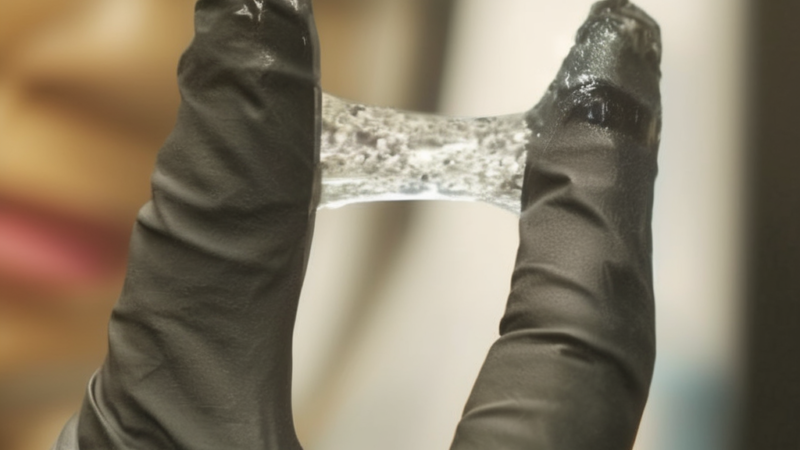
According to the University of Florida research team, they have successfully created synthetic mucus designed to replicate the protective qualities of the gut’s natural mucus barrier. This development represents a significant advancement in IBD research, as the mucus layer plays a crucial role in maintaining intestinal health and preventing inflammation.
The synthetic mucus has been engineered to mimic the complex properties of natural gut mucus, which serves as the first line of defense against harmful bacteria and irritants that can trigger IBD symptoms. The research team’s work focuses on understanding how this artificial barrier could potentially restore protection in areas where the natural mucus layer has been compromised by inflammatory conditions.
While specific details about the composition and testing phases weren’t fully outlined in the initial report, the development marks an important milestone in the ongoing effort to find innovative treatments for inflammatory bowel diseases. The University of Florida team appears to be targeting one of the fundamental issues in IBD: the breakdown of the protective barrier that normally keeps our gut healthy and inflammation at bay.
What This Could Mean for Your IBD Journey
This breakthrough touches on something that every person with IBD understands intimately – the frustrating reality of a gut barrier that doesn’t work the way it should. When we’re healthy, our intestinal lining is protected by a thick, gel-like mucus layer that acts like a bouncer at an exclusive club, keeping harmful bacteria and irritants out while allowing beneficial nutrients to pass through. In IBD, this protective system breaks down, leaving our intestinal walls vulnerable to attack.
The development of synthetic mucus represents a fundamentally different approach to IBD treatment than what we’ve seen before. Instead of focusing solely on suppressing the immune system’s inflammatory response – which is how most current IBD medications work – this research targets the root cause of why inflammation starts in the first place. It’s like fixing the broken fence instead of just treating the symptoms of trespassers getting into your yard.
For those of us who have experienced the unpredictability of IBD flares, this could represent a shift toward more preventive care. Current treatments often feel reactive – we take medications to calm inflammation after it starts, or we modify our diets to avoid triggering symptoms. Synthetic mucus could potentially offer a more proactive approach, providing protection before problems begin.
The implications for daily life could be profound. Imagine being able to eat a meal without constantly calculating the risk of triggering a flare. Picture traveling without the anxiety of being caught somewhere without access to a bathroom during an unexpected symptom spike. While we’re still in the early stages of this research, the potential for synthetic mucus to provide more consistent, reliable protection could translate into greater freedom and peace of mind for people living with IBD.
This research also fits into a broader trend in IBD treatment toward personalized and targeted therapies. Just as we’ve seen advances in biologics that target specific inflammatory pathways, synthetic mucus represents another piece of the puzzle in creating more individualized treatment approaches. Some patients might benefit from mucus replacement therapy, while others might need it combined with traditional anti-inflammatory treatments.
However, it’s important to consider the practical questions this raises. How would synthetic mucus be delivered to the gut? Would it require ongoing treatments, or could it provide longer-lasting protection? What about compatibility with existing IBD medications? These are the kinds of details that will determine how revolutionary this development truly becomes in clinical practice.
The psychological impact shouldn’t be underestimated either. Living with IBD often means feeling like your body has betrayed you – that your own immune system is working against you. The idea of being able to restore a fundamental protective mechanism could help shift that narrative from “my body is broken” to “my body can be supported and protected.”
Expert Perspectives on Mucus Barrier Research
Gastroenterologists have long recognized the critical role of the mucus barrier in maintaining gut health. The medical community generally views barrier restoration as a promising avenue for IBD treatment, as it addresses one of the underlying mechanisms of disease rather than just managing symptoms. Experts typically emphasize that while barrier-focused treatments show great promise, they work best as part of a comprehensive treatment approach.
Healthcare providers would likely want to discuss how synthetic mucus therapy might fit into your current treatment plan, particularly regarding timing with other medications and monitoring for effectiveness. They may also want to evaluate your individual barrier function through specialized testing to determine if you’d be a good candidate for this type of intervention.
Practical Implications for IBD Patients
- Stay informed but patient: While this research is promising, it will likely take several years before synthetic mucus treatments become available to patients
- Discuss barrier health with your doctor: Ask about current ways to support your natural mucus barrier, such as specific probiotics or dietary approaches
- Consider participating in research: If clinical trials for synthetic mucus treatments become available, they might offer early access to this innovative approach
- Focus on current barrier-supporting strategies: Continue with proven methods like stress management, adequate sleep, and avoiding known triggers while awaiting new treatments
- Document your symptoms: Keep detailed records of your IBD patterns, as this information could be valuable when discussing new treatment options with your healthcare team
Looking Ahead with Cautious Optimism
The development of synthetic mucus by University of Florida researchers represents more than just another scientific advancement – it offers hope for a future where IBD management could be more predictable and less disruptive to daily life. While we must remain realistic about the timeline for bringing this research from laboratory to clinic, the underlying concept addresses something fundamental that every person with IBD experiences.
This breakthrough reminds us that the IBD research community continues to think creatively about solutions, exploring approaches that go beyond traditional anti-inflammatory treatments. As we await further developments, it’s encouraging to know that scientists are working on innovations that could transform how we protect and heal our guts.
What aspects of this research excite you most? Have you experienced challenges with your gut barrier that make this development particularly meaningful? Share your thoughts and experiences with our community – your insights help all of us better understand the potential impact of advances like synthetic mucus on our collective IBD journey.
Source: This post summarizes reporting from Unknown. Read the original article.