When Hope Feels Distant: Understanding AbbVie’s UC Trial News
If you’re living with ulcerative colitis, you know that feeling when another potential treatment doesn’t pan out—it’s like watching a door close just as you were walking toward it. The exhaustion isn’t just physical; it’s emotional too, especially when the research pipeline that holds so much promise hits another bump in the road.
This feeling hit home recently when news broke about AbbVie’s clinical trial results. For those of us in the IBD community who follow these developments closely, each study represents more than just data points—they represent hope for better days ahead.
Summary of Tipranks
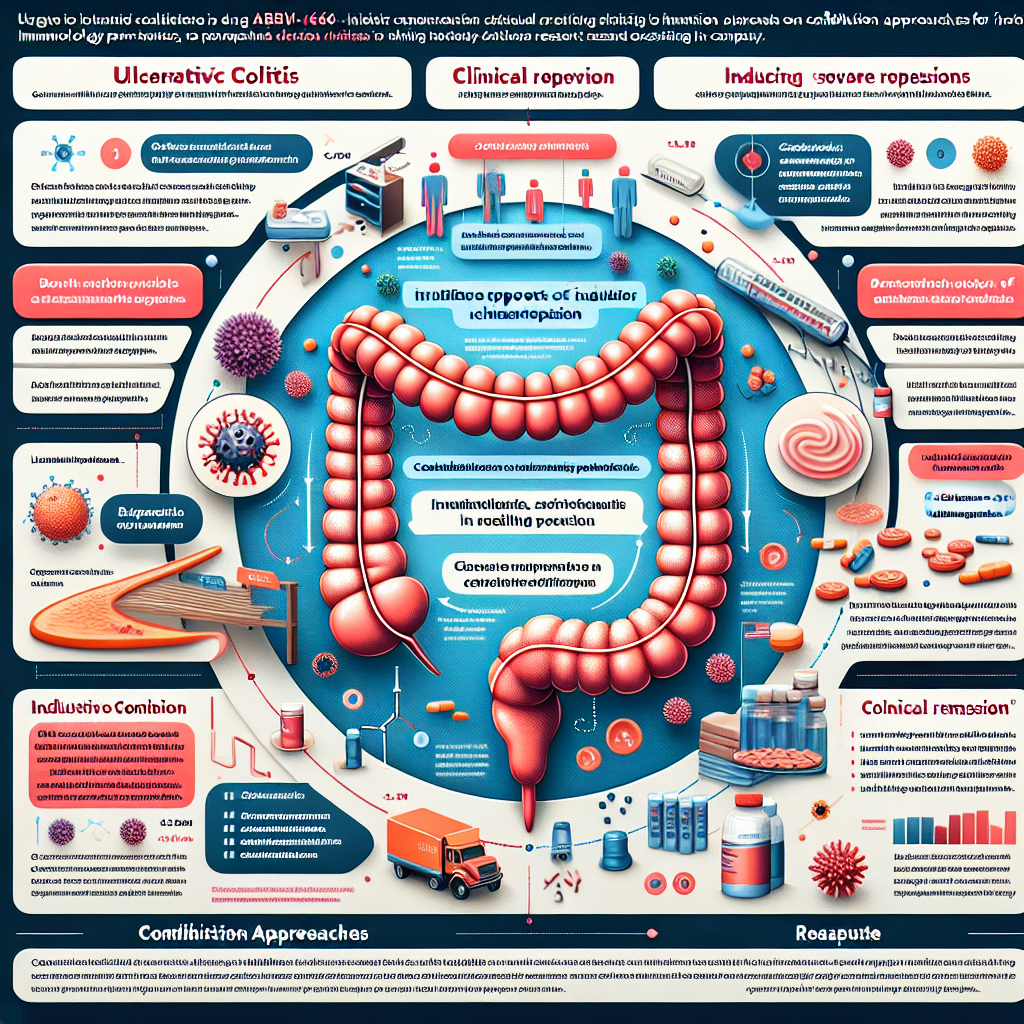
AbbVie’s phase 2 clinical trial for ABBV-668, a treatment designed to target ulcerative colitis, did not meet its primary endpoint for achieving remission in patients. The drug was developed to address key inflammation pathways involved in UC, but the results showed it wasn’t effective enough to move forward in its current form. This setback comes at a time when the UC community continues to need more treatment options, particularly for those who haven’t found relief with existing therapies.
Despite this disappointment, the broader research landscape for ulcerative colitis continues to show promise. Other investigational treatments, including tulisokibart, are demonstrating encouraging results in clinical trials for patients who haven’t responded well to standard treatments. The field is also seeing advances in personalized medicine approaches that could lead to more targeted and effective treatments in the future.
This post summarizes reporting from Tipranks. Our analysis represents IBD Movement’s perspective and is intended to help patients understand how this news may affect them. Read the original article for complete details.
What This Means for the IBD Community
When clinical trials don’t meet their goals, it’s natural to feel discouraged. But having followed IBD research for years, I’ve learned that setbacks like this are actually a normal—though frustrating—part of the scientific process. What makes this particular news significant isn’t just the disappointment, but what it reveals about the complexity of treating ulcerative colitis.
ABBV-668 was designed to target specific inflammatory pathways that researchers believed were key drivers of UC symptoms. The fact that it didn’t work as expected tells us something important: ulcerative colitis is incredibly complex, with multiple biological pathways contributing to inflammation and symptoms. This complexity is exactly why some people respond beautifully to one medication while others see no improvement at all.
For patients currently managing UC, this news doesn’t change your immediate treatment options. The medications that are working for you will continue to work, and the research into new treatments continues at a rapid pace. What this does highlight is the critical importance of having multiple treatment approaches in development simultaneously.
Think about it this way: if you’re someone who hasn’t found adequate relief with current treatments, having dozens of potential therapies in various stages of development is far better than having just a few. Each “failed” trial teaches researchers something valuable about the disease, often leading to better-designed studies and more targeted approaches.
The mention of tulisokibart showing promise is particularly encouraging. This represents a different approach to treating UC, and early results suggest it may help people who haven’t responded to other treatments. This is exactly the kind of diversified research approach that gives our community the best chance of finding effective treatments for everyone.
From a practical standpoint, this news reinforces several important points for anyone living with UC:
- Stay engaged with your current treatment plan: While we wait for new options, maximizing the effectiveness of existing treatments remains crucial. This includes medication adherence, lifestyle modifications, and regular monitoring with your healthcare team.
- Consider clinical trial participation: If your current treatment isn’t providing adequate relief, clinical trials offer access to cutting-edge therapies while contributing to research that benefits the entire community.
- Maintain realistic expectations: Drug development is a long, complex process with many setbacks along the way. Understanding this can help manage the emotional ups and downs that come with following research news.
One aspect that often gets overlooked in discussions about failed trials is the human impact on researchers and pharmaceutical companies. The teams working on these treatments are often motivated by personal connections to IBD—whether through family members, friends, or their own experiences with autoimmune conditions. When a trial doesn’t succeed, they feel the disappointment too, which often drives them to approach the next study with even greater determination and refined strategies.
This setback also highlights why patient advocacy and continued research funding are so essential. Organizations that support IBD research, patient registries that help researchers understand real-world outcomes, and advocacy groups that push for increased funding all play crucial roles in ensuring that setbacks like this don’t slow down overall progress.
For caregivers and family members reading this, understand that your loved one with UC might feel particularly discouraged by news like this, especially if they’ve been hoping for new treatment options. The emotional toll of living with a chronic condition that doesn’t have easy answers can be significant. Sometimes the best support you can provide is simply acknowledging that disappointment while reminding them of the progress that continues in other areas of research.
Questions to Consider Discussing with Your Doctor
If you’re currently managing UC and feeling concerned about treatment options, consider discussing these questions with your healthcare provider:
- Are there any clinical trials currently recruiting that might be appropriate for your specific situation?
- What newer approved treatments might be worth considering if your current regimen isn’t providing optimal control?
- How can you best optimize your current treatment plan while waiting for new options to become available?
- What lifestyle factors might help improve your overall outcomes and quality of life?
News like AbbVie’s trial results also connects to broader trends we’re seeing in IBD research. There’s an increasing focus on personalized medicine—the idea that treatments should be tailored to individual patients based on their specific disease characteristics, genetic makeup, and previous treatment responses. While this approach is still in its early stages for IBD, it represents a promising shift away from the one-size-fits-all approach that has dominated treatment for decades.
Another encouraging trend is the speed at which new treatment approaches are being developed. From novel biologics targeting different inflammatory pathways to innovative delivery methods that could reduce side effects, the research pipeline is more diverse and robust than it’s ever been.
While today’s news about ABBV-668 represents a setback, it’s important to remember that multiple other potential treatments are moving through various stages of development. Some focus on completely different biological targets, others use innovative approaches to drug delivery, and still others are exploring combination therapies that might be more effective than single medications.
The road to better UC treatments is long and winding, with inevitable setbacks along the way. But each study—whether successful or not—contributes valuable knowledge that brings us closer to the goal of giving every person with ulcerative colitis access to treatments that allow them to live full, symptom-free lives. The key is maintaining hope while staying grounded in the reality of how medical research progresses: slowly, methodically, and with plenty of bumps along the way.
What gives me the most hope isn’t any single study or treatment, but rather the sheer volume of research happening simultaneously. While ABBV-668 didn’t work out, dozens of other potential treatments continue moving through the pipeline. This diversified approach to research dramatically increases the odds that breakthrough treatments are coming, even if we can’t predict exactly when or from where they’ll emerge.
IBD Movement provides information for educational purposes only. This content is not intended to be a substitute for professional medical advice, diagnosis, or treatment. Always seek the advice of your physician or other qualified health provider with any questions you may have regarding a medical condition.
Related Posts

Beyond Diet: Why Comprehensive Care Is Essential for Managing Crohn’s Disease
April 17, 2026
AI Revolution in IBD Care: How Artificial Intelligence Could Transform Your Treatment Journey
April 16, 2026
JAK Inhibitors in Crohn’s Disease: Navigating Safety Concerns and Treatment Decisions
April 15, 2026