Beyond Stomach Pain: Crohn’s Hidden Complications We Need to Discuss
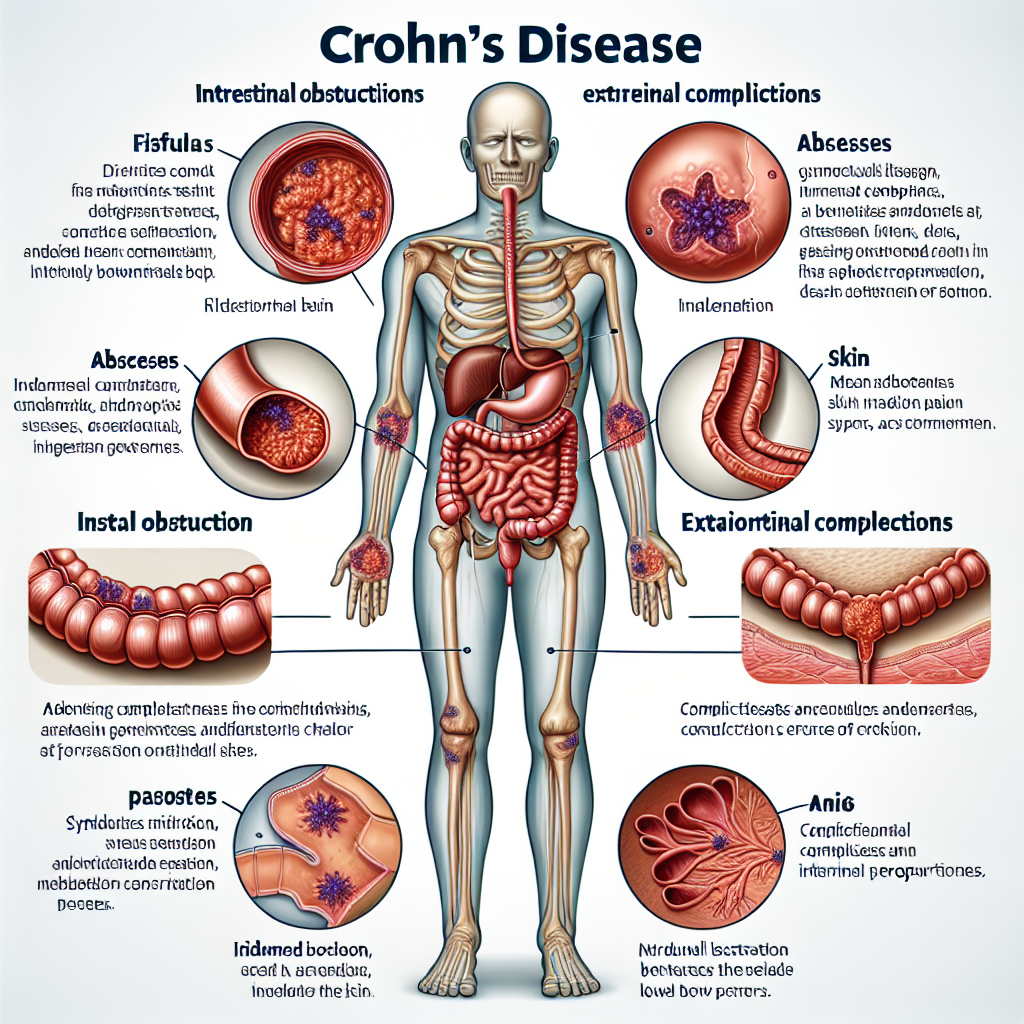
If you’re living with Crohn’s disease, you’ve probably become all too familiar with explaining to others that it’s “more than just stomach problems.” But even within our IBD community, we don’t always talk openly about some of the more serious complications that can develop. It’s not that we want to scare anyone—it’s just that knowledge really is power when you’re managing a chronic illness.
I’ve been thinking about this a lot lately, especially after hearing from community members who’ve faced unexpected complications. The truth is, while most of us deal with the day-to-day symptoms of inflammation, cramping, and unpredictable bathroom visits, Crohn’s can sometimes throw us curveballs that extend far beyond our digestive tract.
Summary of here
This medical case report highlights an extremely rare complication of Crohn’s disease: a complex fistula that created abnormal connections between multiple organs and body systems. In this particular case, the patient developed what doctors call a “cutaneous urachovesicoenteric fistula”—essentially, abnormal tunnels that connected the intestines to the bladder and even created an opening through the skin. This type of fistula is so rare that it’s only been documented a handful of times in medical literature.
The case demonstrates how Crohn’s disease can sometimes create unexpected pathways between organs that should never be connected. While fistulas in general affect about 20-40% of Crohn’s patients at some point, this particular type involving multiple organ systems is extraordinarily uncommon. The patient required specialized surgical intervention to address these complex connections and restore normal anatomy.
This post summarizes reporting from here. Our analysis represents IBD Movement’s perspective and is intended to help patients understand how this news may affect them. Read the original article for complete details.
What This Means for the IBD Community
First, let me be absolutely clear: this type of complication is incredibly rare. We’re talking about a handful of documented cases worldwide. I’m not sharing this to create anxiety, but rather because understanding the full spectrum of what Crohn’s can do helps us be better advocates for our own health.
What strikes me most about cases like this is how they underscore something many of us already know but don’t always voice: Crohn’s disease is unpredictable. Even when we’re doing everything “right”—taking our medications, following up with doctors, monitoring our symptoms—the disease can sometimes surprise us. This unpredictability is one of the most challenging aspects of living with IBD, and it’s completely normal to feel anxious about what might happen next.
However, there are several important takeaways that can actually empower us:
Early detection makes a difference. While this particular complication is rare, fistulas in general are more common in Crohn’s patients. The key is recognizing warning signs early. If you notice unusual symptoms like persistent urinary tract infections, unexpected skin openings, or changes in how you’re feeling overall, don’t hesitate to reach out to your gastroenterologist.
Specialized care matters. Cases like this remind us why having a healthcare team experienced in complex IBD is so important. When unusual complications arise, you want doctors who’ve seen it all and know how to coordinate care between different specialties.
You’re not alone in facing the unknown. Every person with Crohn’s lives with some level of uncertainty about their future health. While that can feel isolating, remember that millions of us share this experience. The IBD community understands the mental load of constantly wondering “what if?” and we’re here to support each other through both routine days and crisis moments.
From a practical standpoint, this case also highlights why regular monitoring and honest communication with our healthcare providers is so crucial. We might feel like we’re bothering our doctors with questions or concerns, but cases like this show why it’s better to speak up about anything that feels “off” rather than waiting to see if symptoms resolve on their own.
Questions Worth Discussing with Your Doctor
If you’re feeling anxious after reading about rare complications, consider bringing these questions to your next appointment:
- Given my current disease activity and location, what complications should I be most aware of?
- What symptoms should prompt me to call immediately rather than waiting for my next scheduled visit?
- How often should I be getting imaging studies to monitor for complications?
- What’s my personal risk profile for developing fistulas or other complications?
- If I do develop a complication, what specialists might need to be involved in my care?
These conversations can help transform anxiety about the unknown into concrete knowledge about your individual situation and care plan.
The Broader Context
This case report also fits into a larger trend in IBD research and treatment: the recognition that Crohn’s disease affects each person differently, and that personalized medicine is the future of IBD care. As we learn more about rare complications and unusual presentations, we’re building a more complete picture of how to predict, prevent, and treat the full spectrum of IBD complications.
The good news is that our understanding of Crohn’s disease continues to evolve rapidly. New medications, better monitoring techniques, and improved surgical approaches mean that even when complications arise, we have more options than ever before. The key is staying engaged with our care and working with healthcare providers who understand that IBD is a complex, systemic condition.
Reading about rare complications can also remind us to appreciate the days when our biggest concern is just making sure we know where the nearest bathroom is. While we can’t control every aspect of our disease, we can control how we respond to uncertainty—with knowledge, preparation, and community support.
If you’re struggling with anxiety about potential complications, please know that these feelings are completely valid and common. Many of us have been there. Consider connecting with IBD support groups, talking to a counselor who understands chronic illness, or simply reaching out to others in the community who can relate to these fears.
Knowledge about rare complications isn’t meant to keep us up at night—it’s meant to help us be informed partners in our healthcare. When we understand what’s possible, we can better recognize symptoms that need attention, ask more informed questions, and advocate more effectively for the care we need.
The bottom line: While this case represents an extremely rare complication, it serves as an important reminder about the complexity of Crohn’s disease and the importance of staying vigilant about our health. Rather than letting fear of rare outcomes control us, we can use this knowledge to become more engaged, informed patients. Remember, millions of people live full, active lives with Crohn’s disease, and advances in treatment continue to improve outcomes for all of us. Stay informed, stay connected with your healthcare team, and lean on this community when you need support navigating the uncertainties that come with chronic illness.
IBD Movement provides information for educational purposes only. This content is not intended to be a substitute for professional medical advice, diagnosis, or treatment. Always seek the advice of your physician or other qualified health provider with any questions you may have regarding a medical condition.
Related Posts

Beyond Diet: Why Comprehensive Care Is Essential for Managing Crohn’s Disease
April 17, 2026
AI Revolution in IBD Care: How Artificial Intelligence Could Transform Your Treatment Journey
April 16, 2026
JAK Inhibitors in Crohn’s Disease: Navigating Safety Concerns and Treatment Decisions
April 15, 2026