How Oli Adams Surfs World-Class Waves Without a Large Intestine
Have you ever felt like your IBD diagnosis meant saying goodbye to the activities that define who you are? That fear of losing yourself to illness—it’s something so many of us carry. Maybe you’ve wondered if you’ll ever feel truly alive in your body again, or if the dreams you had before diagnosis will always feel out of reach.
Today I want to share a story that challenges everything we might believe about what’s possible after major surgery and chronic illness. It’s about finding not just acceptance, but excellence, in a body that’s been forever changed.
Summary of Surfer Magazine
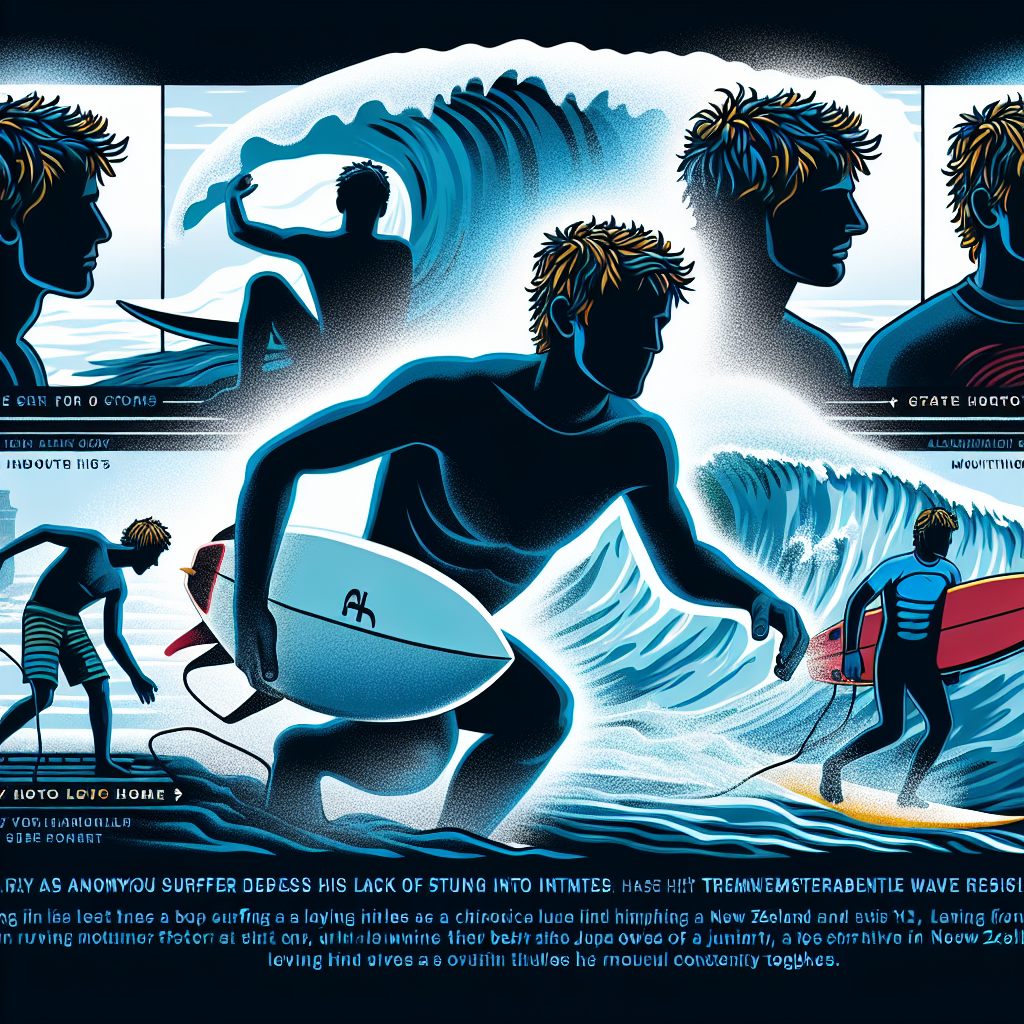
Oli Adams has achieved something remarkable: he’s become an elite surfer despite living without a large intestine after chronic illness changed his life forever. His journey from devastating health challenges to riding world-class waves represents more than athletic achievement—it’s a testament to redefining what’s possible when life hands you an impossible diagnosis. Adams doesn’t just participate in his sport; he excels at it, proving that major physical changes don’t have to mean abandoning the things that bring us joy and purpose. His story shows how someone can transform their greatest limitation into the very motivation that drives them to push harder and reach higher than ever before.
This post summarizes reporting from Surfer Magazine. Our analysis represents IBD Movement’s perspective and is intended to help patients understand how this news may affect them. Read the original article for complete details.
What This Means for the IBD Community
Oli Adams’ story hits differently when you’re part of the IBD community. For those of us who’ve faced the possibility of major surgery—whether it’s a colectomy, ileostomy, or other life-changing procedure—his journey offers something we desperately need: proof that our bodies can still do extraordinary things.
Let’s be honest about what many of us face. When doctors start talking about surgical options, especially total colectomy, the fear isn’t just about the procedure itself. It’s about identity. It’s wondering: “Will I still be me? Will I still be capable of the things that make me feel alive?” For athletes in our community, these questions can feel especially crushing. How do you maintain elite performance when your digestive system has been fundamentally altered?
Adams’ experience challenges the narrative that major IBD surgery means stepping back from demanding physical pursuits. Think about what surfing requires—core strength, balance, endurance, split-second decision making, and the ability to handle intense physical stress. These are exactly the capabilities we worry about losing after surgery. Yet here’s someone not just maintaining these abilities, but excelling at the highest levels.
This matters because representation in sports and extreme activities can shift how we see our own possibilities. When you see someone like Adams charging massive waves, it expands your mental map of what recovery can look like. It’s not just about getting back to normal—it’s about potentially reaching heights you never imagined before.
For those facing surgical decisions, Adams’ story provides a powerful counter-narrative to fear. While every person’s journey is different, and not everyone will return to elite athleticism, his experience shows that major anatomical changes don’t automatically mean major limitations in what you can achieve.
Practical Implications for Daily Life
Adams’ success also highlights important practical considerations for IBD patients pursuing active lifestyles. Managing hydration and electrolyte balance becomes even more critical when you’re missing significant portions of your colon—the part of your digestive system responsible for absorbing water and salts. For athletes or anyone pursuing demanding physical activities post-surgery, this requires careful planning and often working closely with sports nutritionists who understand altered anatomy.
His journey likely involved learning to read his body’s signals differently, understanding new limitations and capabilities, and developing strategies for managing the physical demands of elite performance with a changed digestive system. These are skills that translate to anyone rebuilding their relationship with physical activity after IBD surgery.
Consider the mental preparation required. Adams had to rebuild not just physical capability but confidence—trusting his body in high-stakes situations where hesitation can mean injury. This psychological recovery often takes longer than physical healing and is something every IBD patient faces in their own way.
Questions for Your Medical Team
Adams’ story might prompt important conversations with your healthcare providers. If you’re facing surgical options, consider asking about long-term physical capabilities and what kind of activities might be possible. Discuss nutrition strategies for maintaining performance, whether that’s in sports or simply daily activities that matter to you.
For those who’ve already had surgery, Adams’ example might inspire conversations about pushing your boundaries safely. What kind of physical challenges are appropriate for your specific situation? How can you optimize nutrition and hydration for more demanding activities? These aren’t just questions for elite athletes—they’re relevant for anyone wanting to live fully after IBD surgery.
The Broader Message About Resilience
What strikes me most about Adams’ story is how it reframes adversity. Instead of seeing his health challenges as something to overcome despite pursuing surfing, he seems to have integrated them into his identity as an athlete. This is a profound shift that many in our community struggle to make—moving from seeing IBD as separate from who we are to seeing it as part of our complete story.
This doesn’t mean romanticizing illness or pretending that health challenges are gifts. It means recognizing that the skills we develop managing chronic illness—resilience, determination, the ability to push through discomfort, strategic thinking about our bodies—these can actually enhance other areas of our lives.
Adams’ excellence in surfing isn’t despite his health challenges; it’s informed by them. The mental toughness required to manage chronic illness translates to the mental toughness needed to paddle into enormous waves. The body awareness developed through managing IBD becomes an asset in reading ocean conditions and responding to split-second changes.
For many of us, Adams’ story offers a template for integration rather than compartmentalization. Instead of trying to return to exactly who we were before diagnosis, we can explore who we might become—potentially someone stronger, more determined, and more capable than we ever imagined.
Adams proves that our dreams don’t have to shrink to fit our diagnosis. Sometimes, the very challenges that seem insurmountable become the foundation for achievements we never thought possible. His story reminds us that healing isn’t just about managing symptoms—it’s about reclaiming and maybe even expanding our sense of what we’re capable of.
Whether your passion is surfing, running, art, career advancement, or simply being present for your family, Adams’ journey suggests that IBD and its treatments don’t have to be the ceiling on your aspirations. They might just be part of the foundation for something extraordinary.
IBD Movement provides information for educational purposes only. This content is not intended to be a substitute for professional medical advice, diagnosis, or treatment. Always seek the advice of your physician or other qualified health provider with any questions you may have regarding a medical condition.
Related Posts

Vitamin D Shows Promise for Reshaping Gut Response in IBD: What This Could Mean for Your Treatment Journey
April 18, 2026
Beyond Diet: Why Comprehensive Care Is Essential for Managing Crohn’s Disease
April 17, 2026
AI Revolution in IBD Care: How Artificial Intelligence Could Transform Your Treatment Journey
April 16, 2026