PSC and IBD in Kids: When Two Conditions Create New Challenges
As parents navigating the world of pediatric IBD, we often find ourselves becoming experts in conditions we never knew existed. We learn the rhythms of flares, master medication schedules, and become fierce advocates for our children. But sometimes, life throws us another curveball—a second diagnosis that changes everything we thought we knew about our child’s journey.
When primary sclerosing cholangitis (PSC) enters the picture alongside IBD, it’s like learning a whole new language while still trying to master the first one. For families already managing the complexities of Crohn’s disease or ulcerative colitis, this combination brings unique challenges that deserve our attention and understanding.
Summary of read the article here.
Recent research reveals that children with both IBD and primary sclerosing cholangitis (PSC) face significantly different health trajectories than those with IBD alone. The study shows that when PSC occurs alongside IBD in children, the cancer risk increases dramatically—28 times higher than expected. Perhaps even more concerning, the mortality risk climbs thirteen-fold compared to children with IBD who don’t develop PSC.
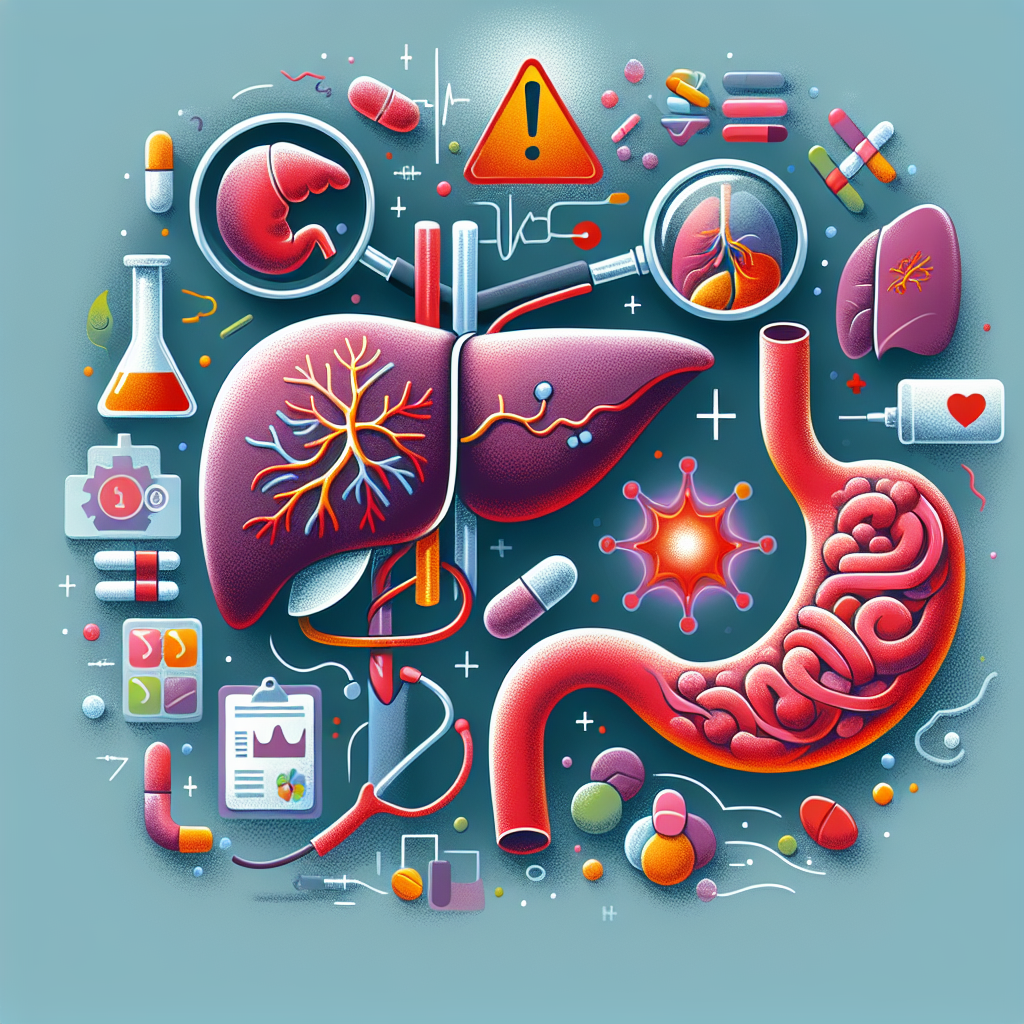
PSC is a condition that affects the bile ducts in and around the liver, causing inflammation and scarring that can eventually lead to liver damage. When it develops in children who already have IBD, it creates a complex medical situation that requires specialized care and monitoring.
The research indicates that approximately one-third of children with both conditions may need liver transplantation within ten years of diagnosis. This statistic underscores the serious nature of this combination and the importance of early detection and aggressive monitoring.
This post summarizes reporting from read the article here.. Our analysis represents IBD Movement’s perspective and is intended to help patients understand how this news may affect them. Read the original article for complete details.
What This Means for the IBD Community
This research hits close to home for many of us in the IBD community, particularly parents who are already managing the daily realities of childhood IBD. The numbers—28-fold increased cancer risk, thirteen times higher mortality—can feel overwhelming at first glance. But knowledge, even difficult knowledge, gives us power to act.
For families currently managing pediatric IBD, this information reinforces the critical importance of comprehensive care that looks beyond just the intestinal symptoms. It’s a reminder that IBD can be a systemic condition, potentially affecting multiple organs, and that our medical teams need to be watching for these connections.
The reality is that PSC in children with IBD often develops silently. Unlike the obvious symptoms of an IBD flare—the cramping, the urgency, the visible signs of illness—liver problems can progress without clear warning signs. This makes routine monitoring absolutely essential, not optional.
What strikes me most about this research is how it highlights the complexity of pediatric IBD care. We’re not just managing one condition; we’re managing a child whose immune system may be predisposed to multiple inflammatory conditions. This doesn’t mean every child with IBD will develop PSC—the vast majority won’t—but it does mean we need to be vigilant and proactive about comprehensive care.
For families facing this dual diagnosis, the path forward requires building a strong medical team that includes both gastroenterology and hepatology expertise. It means advocating for regular liver function monitoring and staying alert to subtle changes that might signal problems. It also means having honest conversations with medical teams about long-term planning and what to watch for as our children grow.
From a practical standpoint, this research should prompt all families with pediatric IBD to ensure their care includes regular liver monitoring. Simple blood tests can detect early signs of liver involvement, potentially catching problems before they become serious. Don’t hesitate to ask your gastroenterologist about liver function tests if they’re not already part of your child’s routine monitoring.
This information also underscores the importance of finding medical centers with experience in complex pediatric IBD cases. When multiple systems are involved, having access to specialists who understand these connections can make a significant difference in outcomes.
For the broader IBD community, this research reminds us why supporting pediatric IBD research is so crucial. Children with IBD face unique challenges that differ from adult experiences, and continued research helps us understand these differences and improve care for the youngest members of our community.
It’s also worth noting that while the statistics are sobering, they also represent opportunities for intervention. When we know what to look for, we can act earlier. When we understand the risks, we can make more informed decisions about treatment approaches. Knowledge, even difficult knowledge, is ultimately empowering.
If you’re a parent reading this and feeling overwhelmed, please know that you’re not alone in this journey. The IBD community is filled with families who have navigated complex diagnoses and found ways to help their children thrive. Your advocacy and attention to your child’s comprehensive health needs make a real difference in outcomes.
For those currently managing both IBD and PSC in a child, your experience and insights are invaluable to other families who may face this path. Sharing your knowledge about managing complex care, finding the right specialists, and maintaining hope through difficult diagnoses helps build the support network that makes all of us stronger.
The bottom line is that while this research presents serious information, it also provides a roadmap for better care. Early detection, comprehensive monitoring, and access to specialized care can significantly impact outcomes. As a community, we can use this knowledge to advocate for better screening, push for more research, and ensure that no family faces these challenges alone.
IBD Movement provides information for educational purposes only. This content is not intended to be a substitute for professional medical advice, diagnosis, or treatment. Always seek the advice of your physician or other qualified health provider with any questions you may have regarding a medical condition.
Related Posts

Beyond Diet: Why Comprehensive Care Is Essential for Managing Crohn’s Disease
April 17, 2026
AI Revolution in IBD Care: How Artificial Intelligence Could Transform Your Treatment Journey
April 16, 2026
JAK Inhibitors in Crohn’s Disease: Navigating Safety Concerns and Treatment Decisions
April 15, 2026